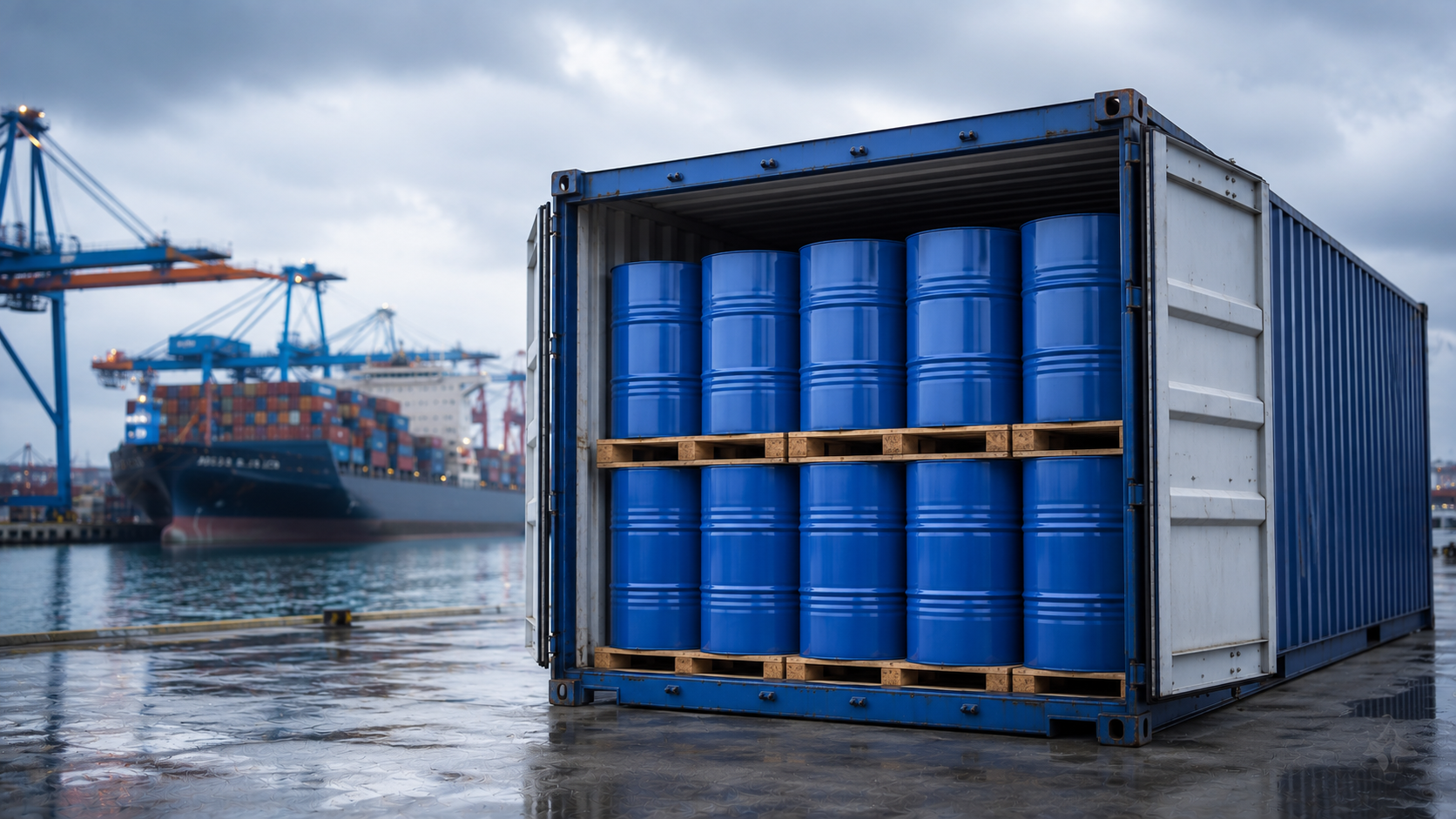
The successful passage of the fourth Saudi phosphate cargo through the Strait of Hormuz has added another positive signal for international fertilizer markets. Although one shipment alone does not reshape global trade, repeated successful transits improve confidence across the supply chain and reduce immediate concerns about shipping disruptions in one of the world's most strategic maritime routes.
For traders, procurement managers and fertilizer buyers, every uninterrupted cargo movement matters. The latest Saudi phosphate shipment reinforces the view that exporters continue fulfilling contractual obligations despite ongoing geopolitical attention surrounding the Strait of Hormuz, allowing buyers to make sourcing decisions with greater certainty.
Why the Fourth Saudi Transit Matters
The Strait of Hormuz remains one of the most closely monitored shipping corridors for energy products and bulk chemicals. While phosphate cargoes receive less public attention than crude oil, they play a vital role in supporting agricultural production across multiple continents.
The fourth successful Saudi transit sends several important signals:
Shipping companies continue operating scheduled voyages through the route with confidence, supporting regular export activity.
Buyers receive reassurance that contracted fertilizer shipments can continue without immediate interruption.
Market participants gain another reference point suggesting that current logistics remain functional despite heightened regional attention.
Rather than reacting to isolated headlines, procurement teams often monitor shipment patterns. Multiple successful cargo movements provide stronger evidence than a single voyage when evaluating supply risks.
Saudi Arabia's Growing Position in the Phosphate Market
Saudi Arabia has become one of the world's important phosphate producers through significant investment in mining, processing and export infrastructure. Its integrated production chain enables large volumes of phosphate products to reach international buyers efficiently.
Modern logistics provide several competitive advantages:
Large-scale production supports consistent export availability.
Integrated transportation reduces handling time between production sites and export terminals.
Long-term supply agreements strengthen relationships with fertilizer distributors and agricultural markets.
As international food demand continues expanding, reliable phosphate exports become increasingly valuable for countries that depend on imported fertilizer raw materials.
The Strait of Hormuz and Fertilizer Logistics
Although fertilizers differ from petrochemicals in their end use, they rely on many of the same international shipping networks. The Strait of Hormuz serves as an important passage connecting Gulf producers with customers across Asia, Africa and other global markets.
When cargoes move normally through this corridor, buyers benefit from:
Better shipment scheduling and improved inventory planning.
Lower uncertainty regarding vessel availability.
Reduced pressure on freight rates compared with severe disruption scenarios.
These operational advantages help procurement teams maintain predictable purchasing programs rather than relying on emergency sourcing.
What This Means for Global Phosphate Buyers
The fourth successful transit should not be viewed as a guarantee that future shipping conditions will remain unchanged. Instead, it represents another practical indicator that current trade flows continue operating.
Procurement professionals may interpret the latest movement as evidence that:
Existing supplier commitments remain active.
Export logistics continue functioning efficiently.
Immediate shortages appear less likely than previously anticipated.
Companies purchasing phosphate materials for fertilizer production often balance inventory levels with transportation risks. Continued vessel movements provide greater flexibility when planning future purchases.
Shipping Confidence Influences Market Sentiment
Commodity markets respond not only to production capacity but also to transportation reliability. Even when manufacturing remains stable, uncertainty around shipping routes can affect purchasing behavior.
Repeated successful cargo movements gradually improve confidence among:
International traders negotiating forward contracts.
Importers managing warehouse inventories.
Fertilizer manufacturers planning production schedules.
Agricultural distributors preparing for seasonal demand.
Confidence does not eliminate risk, but it often reduces unnecessary market volatility created by uncertainty.
Factors Procurement Teams Should Continue Monitoring
While the fourth transit represents a constructive development, buyers should continue evaluating the broader supply environment rather than relying on a single indicator.
Important market factors include:
Regional maritime security developments.
Vessel insurance costs affecting freight expenses.
Export schedules from major phosphate producers.
Seasonal fertilizer demand across importing regions.
Port congestion at key destination markets.
Combining these indicators provides a more complete picture of future supply conditions than monitoring prices alone.
How Reliable Shipping Supports Fertilizer Supply Chains
Agricultural markets depend on timely fertilizer deliveries. Delayed phosphate shipments can influence production schedules, inventory management and downstream distribution.
Reliable transportation helps participants across the value chain by:
Maintaining stable production planning.
Improving warehouse replenishment schedules.
Supporting contractual delivery commitments.
Reducing the likelihood of urgent spot purchases at elevated prices.
For distributors serving seasonal agricultural markets, predictable logistics often deliver as much value as competitive product pricing.
Trade Outlook for the Months Ahead
Market participants will continue watching each new cargo movement through the Strait of Hormuz. If additional Saudi phosphate shipments complete successful voyages, confidence in regional shipping could strengthen further.
At the same time, experienced procurement professionals understand that commodity markets remain dynamic. Production changes, freight availability, weather conditions and geopolitical developments all influence the final landed cost of phosphate materials.
Companies that maintain diversified supplier relationships while closely monitoring logistics typically respond more effectively to changing market conditions than organizations relying on a single sourcing strategy.
What Buyers Should Do Now
The latest Saudi phosphate transit offers a measured reason for optimism rather than complacency. Successful cargo movements support confidence, but disciplined procurement remains essential for managing long-term supply risk.
Procurement teams should continue reviewing supplier performance, monitoring freight developments and evaluating inventory requirements alongside current market conditions. Businesses that combine market intelligence with flexible purchasing strategies will remain better positioned as fertilizer trade evolves throughout the year.
Ready to source Saudi phosphates from verified global suppliers? Explore competitive offers on our platform today.