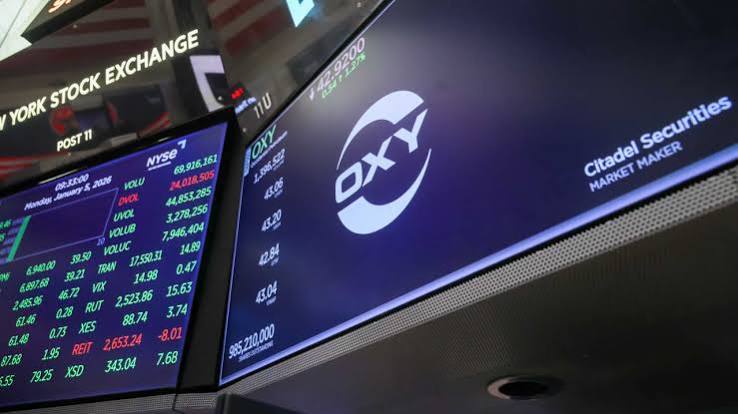
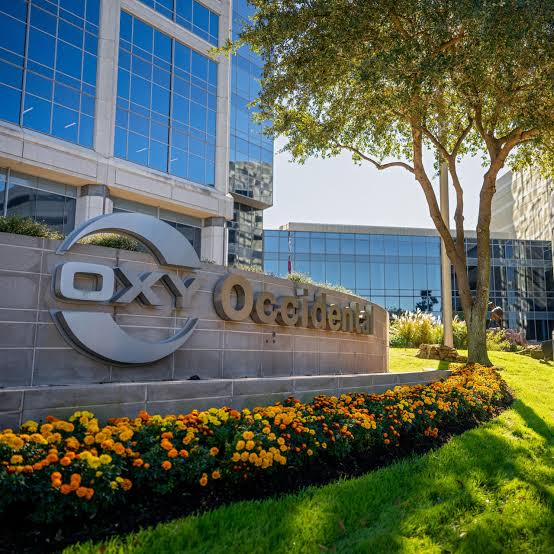
Berkshire Hathaway completed its $9.7 billion acquisition of OxyChem from Occidental Petroleum on January 2, 2026. The deal brought a major producer of polyvinyl chloride, chlor-alkali products and calcium chloride under Berkshire's ownership, with Wade Alleman continuing as president and CEO. What often gets misread about this transaction is who actually carries the environmental liability tied to decades of prior operations.
For buyers assessing OxyChem's compliance standing under new ownership, the actual liability structure matters more than assumptions about how acquisitions typically work.
Who Actually Retained the Legacy Liabilities
Occidental's indirect subsidiary, Environmental Resource Holdings, retained OxyChem's legacy tort claims and environmental liabilities tied to historical operations. That retention was a deliberate part of the deal structure, not an oversight or a gap Berkshire has to manage after the fact.
Occidental also provided a corporate guaranty backing those indemnification obligations, adding a further layer of financial backing behind the retained liabilities. A separate Occidental subsidiary, Glenn Springs Holdings, continues managing remedial projects at affected legacy sites under a dedicated remediation management agreement.
This structure accomplishes something specific for both parties:
Berkshire gets a clean operating asset. The ongoing chemical manufacturing business transfers without the long-tail liability exposure tied to historical contamination or legacy claims.
Occidental keeps the remediation responsibility. The company continues funding cleanup work over what it has described as a multi-year timeline based on approved remediation workplans.
Indemnification adds a financial backstop. The guaranty structure means Berkshire has contractual protection if legacy liability claims exceed what the retained entities can cover directly.
Why This Distinction Matters for Buyers
Sourcing decisions increasingly factor in a supplier's regulatory and environmental compliance posture, particularly for buyers in water treatment, pharmaceutical and construction sectors that rely on OxyChem's chlor-alkali and calcium chloride products. A misunderstanding about who holds legacy liability could lead a procurement team to overweight or underweight compliance risk incorrectly.
Local reporting near OxyChem's Ludington, Michigan facility captured this distinction clearly. State records classify the operation as a regulated hazardous waste facility reflecting routine compliance requirements typical of chemical manufacturing, and the site does not appear on federal Superfund or major cleanup program listings. Under the sale terms, any historical contamination or long-term remediation obligations remained with Occidental rather than transferring to Berkshire.
What the Structure Signals About Ongoing Operations
Separating legacy liability from operating assets is a common structure in large industrial divestitures, but it carries specific implications for how buyers should evaluate OxyChem's compliance posture going forward. Day-to-day regulatory obligations, permitting and operational compliance now sit fully with Berkshire's OxyChem, while the retained liabilities remain a matter between Occidental's subsidiaries and any affected parties.
For procurement teams doing supplier due diligence, this means current compliance history under Berkshire ownership should be evaluated on its own terms rather than assumed to carry forward risk from Occidental's earlier operations. The transaction closing itself required regulatory approval, including clearance under the Hart-Scott-Rodino Act, before Berkshire could take on operational control.
What Buyers Should Watch Going Forward
The OxyChem deal offers a useful template for how legacy environmental risk gets allocated in major chemical sector transactions. Buyers evaluating any supplier that has recently changed ownership should ask specifically who retained pre-closing liabilities rather than assuming the new owner inherited everything by default.
For OxyChem customers specifically, the practical takeaway is straightforward. Regulatory and environmental compliance for current production now falls under Berkshire's operational oversight, while Occidental continues to fund and manage the legacy remediation work separately, backed by its corporate guaranty. That clarity should give buyers more confidence in assessing ongoing supply reliability rather than less.