The recent disruption to Gulf chemical supply chains has become far more than a regional logistics issue. According to Altana data confirmed by CNBC, the downstream impact extends to approximately $3.8 trillion in goods that depend directly or indirectly on petrochemical supply. For procurement professionals, this figure provides a practical way to explain why chemical market disruptions quickly become broader manufacturing and consumer market challenges.
The effects are already visible beyond chemical plants. In CNBC's March 28 reporting, DST-Pack CEO Stanislav Krykun said he was "already seeing it on the factory floor," adding that customers would notice "less packaging but not less price." Energy consultant Jeff Krimmel also highlighted the breadth of the disruption, explaining that petrochemical shortages and higher prices eventually affect textiles, detergents, food and beverages. Together, these observations demonstrate how upstream chemical supply issues move rapidly through global manufacturing.
Why Commodity Chemicals Influence So Many Industries
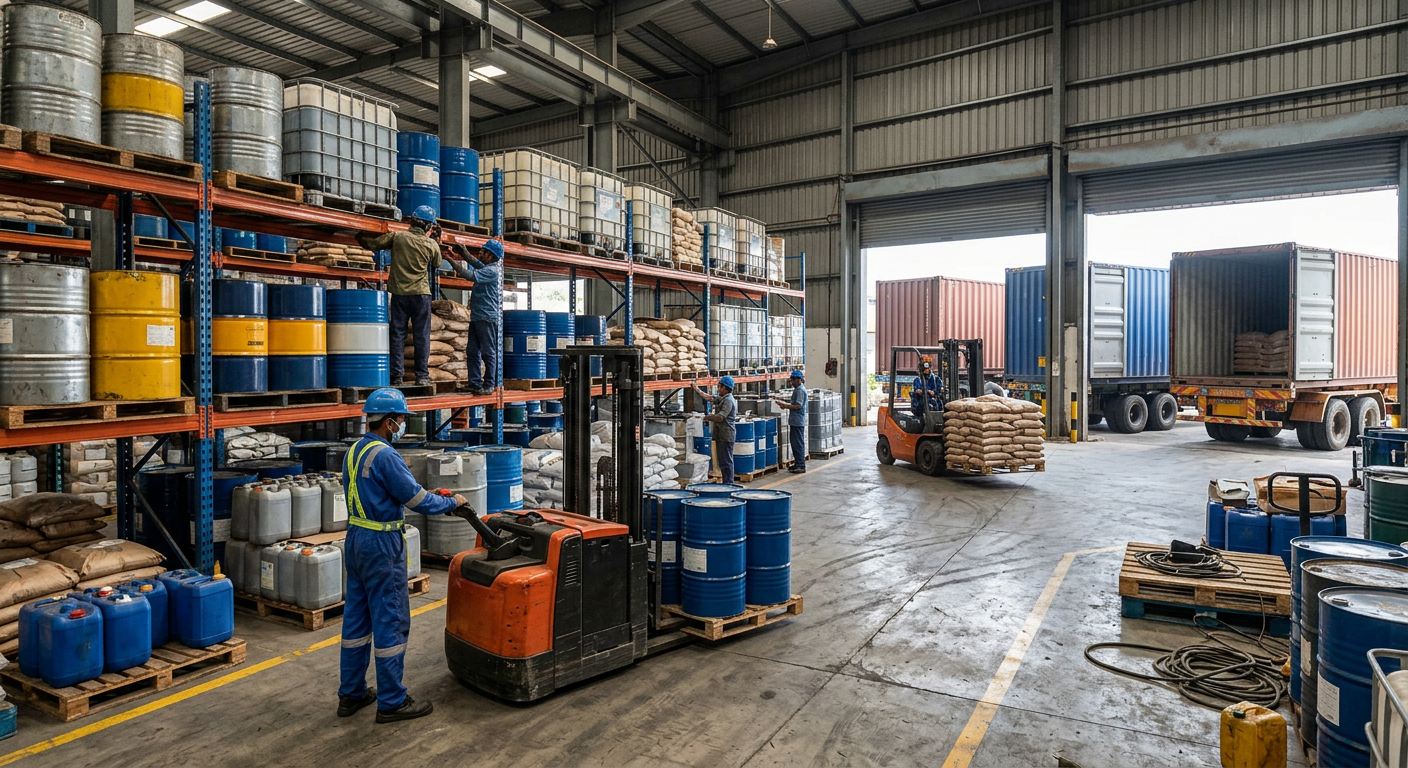
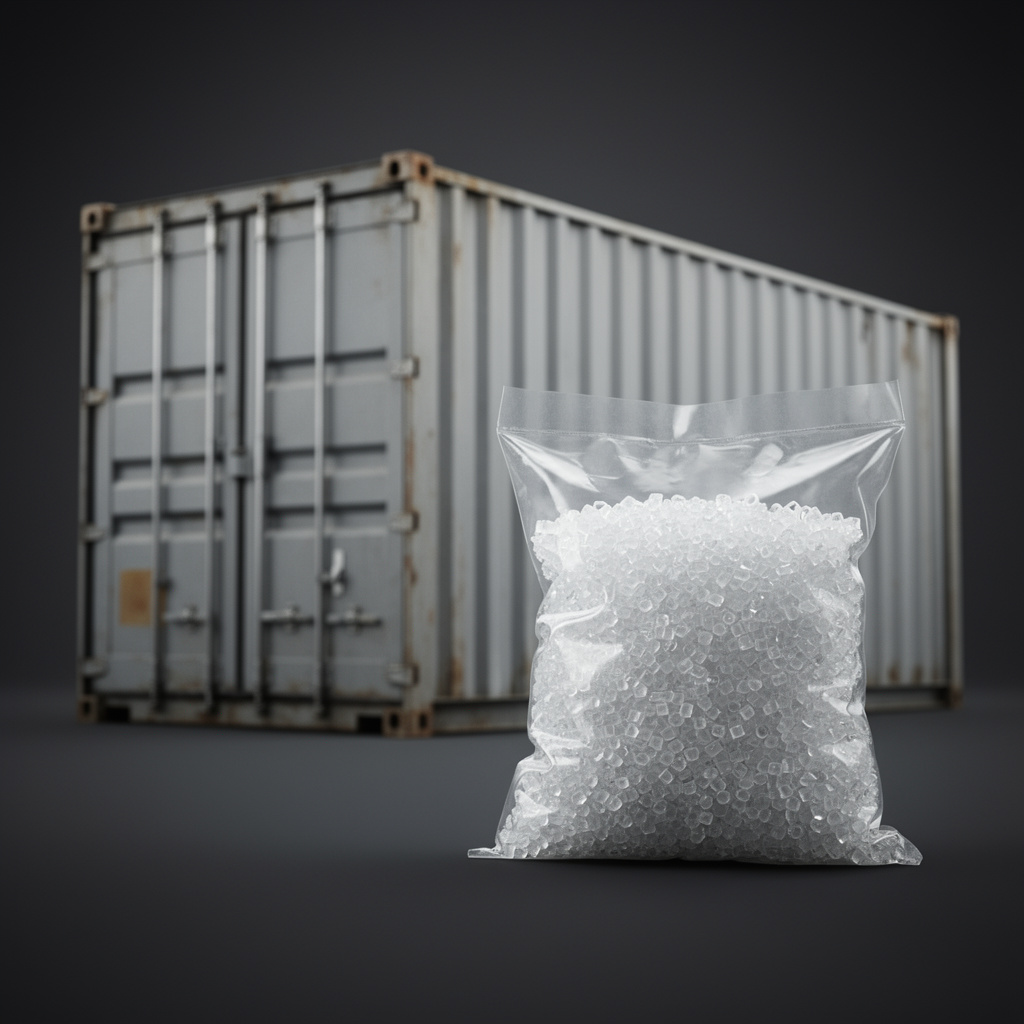
Commodity chemicals rarely reach consumers in their original form. Instead, they become essential ingredients for thousands of manufactured products.
Basic petrochemicals are transformed into:
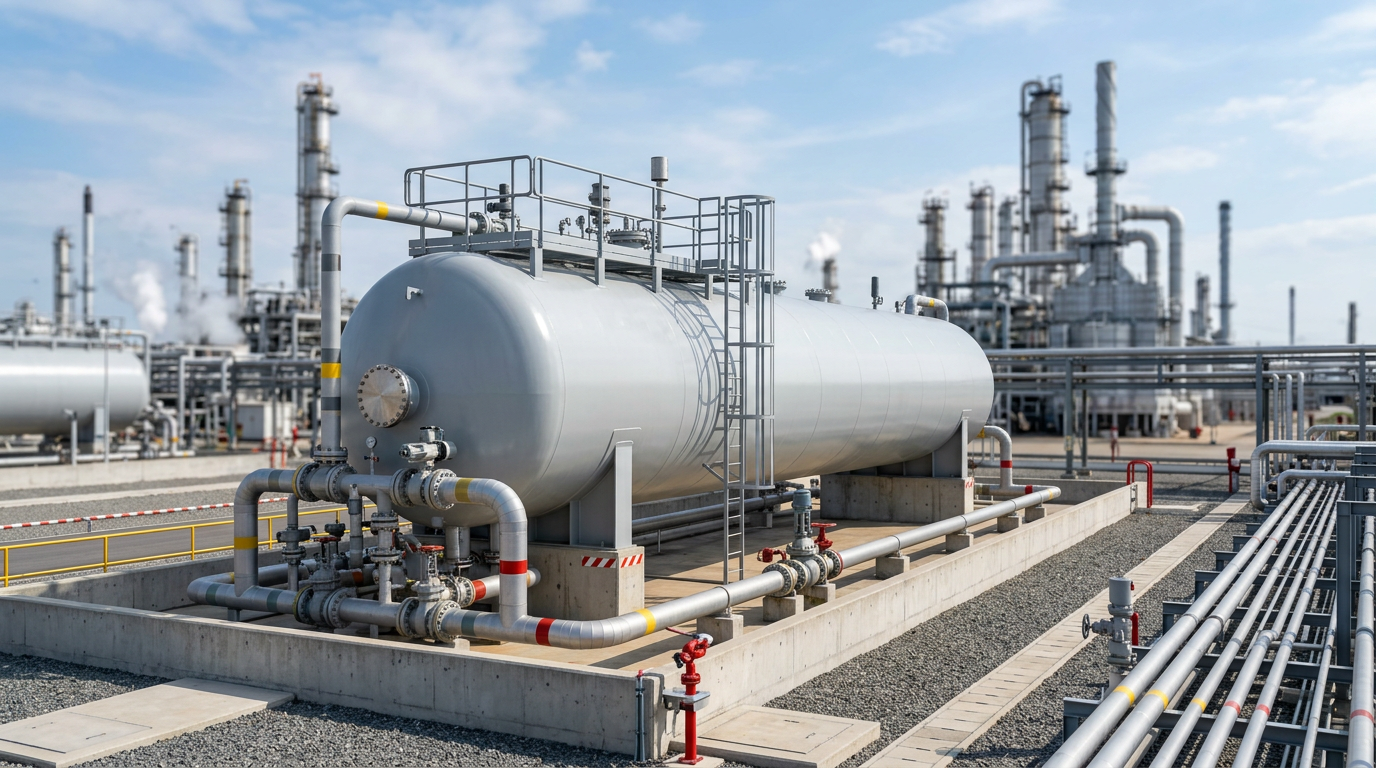
Because these materials sit near the beginning of industrial supply chains, disruptions spread well beyond chemical manufacturers.
The estimated $3.8 trillion downstream impact reflects the enormous value of industries that rely on chemical feedstocks and intermediates.
Rather than representing losses within the chemical sector alone, the figure illustrates the scale of economic activity connected to reliable petrochemical supply.
For procurement teams, this helps explain why supply chain disruption should be viewed as a business-wide issue instead of a purchasing problem affecting only raw materials.
How the Supply Shock Travels Through the Economy
Chemical supply disruptions typically follow a predictable sequence.
The process begins upstream before gradually reaching manufacturers and consumers.
The chain generally develops as follows:
Petrochemical production is disrupted.
Chemical feedstock availability becomes tighter.
Manufacturers face higher raw material costs or longer lead times.
Packaging and industrial component production slows.
Consumer goods producers adjust pricing, packaging or inventories.
Retail markets experience higher costs or reduced product availability.
Each stage adds pressure further down the value chain.
Why Consumers Notice Packaging Before Chemistry
Stanislav Krykun's observation that customers may notice less packaging rather than lower prices reflects how manufacturers respond to sustained cost pressure.
Rather than passing every cost increase directly to consumers, companies often evaluate several options:
Reducing packaging material usage.
Redesigning product formats.
Optimising manufacturing efficiency.
Reviewing supplier portfolios.
Adjusting inventory management.
These operational changes often appear before consumers recognise the underlying chemical market disruption.
Which Industries Face the Greatest Exposure?
Jeff Krimmel's assessment highlights how widely petrochemical shortages influence everyday manufacturing.
Industries with particularly strong exposure include:
Textile manufacturing.
Soap and detergent production.
Food and beverage packaging.
Consumer goods manufacturing.
Automotive components.
Construction materials.
Although each industry uses different chemical inputs, all depend on stable access to commodity chemicals somewhere within their production process.
Communicating Risk Beyond the Procurement Team
One challenge for procurement professionals is explaining chemical market developments to colleagues who do not regularly follow feedstock markets.
Using the broader economic impact provides valuable context when discussing sourcing decisions with:
Executive leadership.
Finance teams.
Sales departments.
Operations managers.
Customer service teams.
Instead of focusing only on chemical prices, procurement teams can explain how raw material availability influences manufacturing continuity, product costs and customer delivery performance.
Procurement Priorities During Extended Supply Disruption
When chemical market disruptions extend beyond a short-term event, procurement strategies should emphasise resilience as well as cost.
Practical priorities include:
Diversifying qualified suppliers across multiple regions.
Monitoring upstream petrochemical markets alongside finished products.
Strengthening communication with strategic suppliers.
Reviewing inventory policies for critical materials.
Sharing market intelligence with internal stakeholders.
These actions help organisations respond proactively rather than reacting after supply constraints reach downstream operations.
What Buyers Should Take Away
The estimated $3.8 trillion downstream impact demonstrates that chemical supply disruptions affect far more than producers and traders. Commodity chemicals support thousands of products used every day across manufacturing, packaging, construction, transportation and consumer markets. When upstream supply weakens, the effects ripple throughout the global economy.
For procurement professionals, this perspective strengthens business planning and internal communication. Understanding how petrochemical disruptions influence downstream industries allows buyers to explain sourcing decisions more effectively, prepare stakeholders for changing market conditions and build supply strategies that support long-term operational resilience.
Ready to source commodity chemicals from verified global suppliers? Explore competitive offers on our platform today.