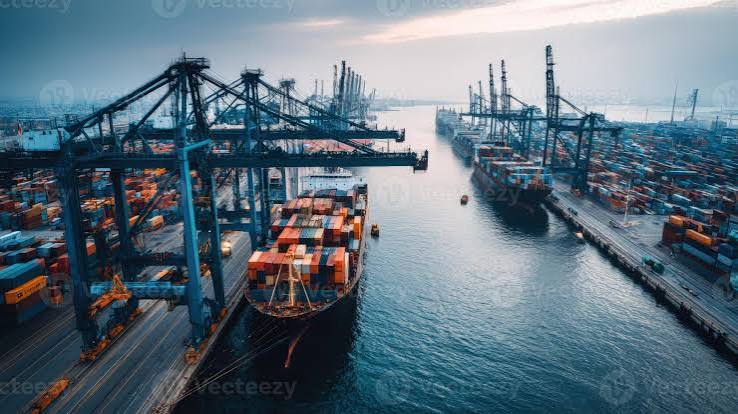
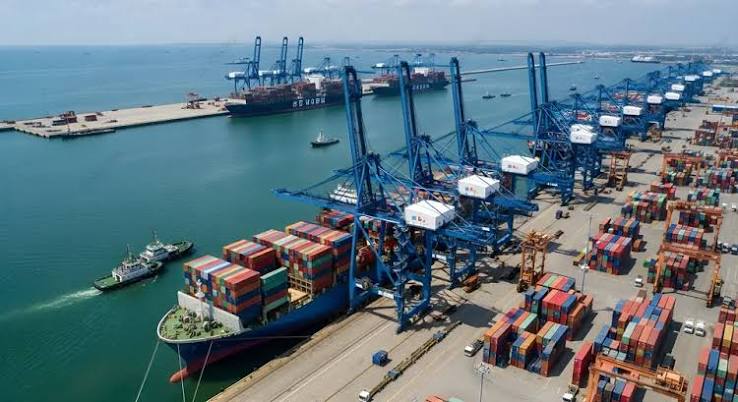
China remains the dominant global source of glufosinate, and India's trade authorities are not done scrutinising that supply line. On September 1, 2026, the Directorate General of Trade Remedies opened a new anti-absorption investigation into the anti-dumping duty already sitting on Chinese-origin glufosinate and its salts. For buyers who assumed the pricing picture on this herbicide was settled, it is not.
The move builds on a duty structure that has been in place since May 2025, when India imposed a five-year anti-dumping duty of $2,998 per tonne on glufosinate and its salts from China. That duty followed a formal DGTR finding that Chinese exporters were selling into the Indian market well below normal value, hurting domestic producers including UPL.
What an Anti-Absorption Investigation Actually Checks
An anti-absorption probe is a narrower, more targeted tool than a fresh anti-dumping case. It does not ask whether dumping is happening. It asks whether the existing duty is actually working.
Regulators look at whether exporters have quietly cut their export prices to offset the duty, effectively cancelling out its protective effect.
They examine whether importers are absorbing the cost themselves rather than passing it through, keeping landed prices artificially low despite the tariff.
If absorption is confirmed, the outcome is typically a revised, higher duty rate designed to restore the original protective margin.
This is the mechanism now under way for glufosinate. India has not yet published a finalised new duty figure from this investigation, but the direction of travel is clear: authorities believe the current $2,998 per tonne rate is not delivering the intended trade relief, and a revision upward is a realistic outcome once the probe concludes.
A Price Floor Already in Force Since April
The anti-absorption case is not the first signal this year. In April 2026, the Directorate General of Foreign Trade separately restricted glufosinate imports for six months through a price-floor mechanism.
Under that rule, any import where the combined CIF value plus applicable anti-dumping duty falls below ₹1,154 per kilogram is treated as restricted, not free. In practice, this closes off the very pricing gap that made low-cost Chinese supply attractive to some Indian buyers in the first place.
Taken together, the price floor and the anti-absorption probe point to the same conclusion. India's trade authorities see continued gaps between the intended and actual effect of the 2025 duty, and they are working two separate levers to close them.
Why UPL and Domestic Producers Pushed for This
The original 2025 case was filed on the back of a complaint from Indian domestic manufacturers, led by UPL, covering a dumping investigation period through the end of 2023 and an injury window stretching back to April 2020.
Their argument centred on sustained underpricing by Chinese exporters over several years, not a single sharp price move. That long injury window is part of why regulators are now willing to open a second-layer investigation rather than treat the 2025 duty as final.
Domestic producers have continued to flag pricing pressure even after the original duty took effect.
The six-month price floor imposed in April 2026 was itself framed as a stopgap while the anti-absorption case was being prepared.
A formal anti-absorption finding gives DGTR legal grounds to raise the duty without running an entirely new investigation from scratch.
Who Feels This Across the Supply Chain
Glufosinate is registered in India for use on cotton and tea, though field use in practice has extended more broadly. Anyone touching this herbicide commercially has a stake in how the case resolves.
Importers and traders handling Chinese-origin glufosinate face tightening margins if the duty is revised upward, on top of the existing price floor.
Formulators producing branded herbicide products for the Indian market need to model a higher landed cost scenario into 2027 pricing.
Domestic manufacturers like UPL stand to gain pricing headroom if the anti-absorption case results in a stronger duty.
Downstream agricultural distributors may see tighter supply if some Chinese-linked import volumes become commercially unviable under the price floor.
What Buyers Should Do Now
Nothing about this case is resolved yet, and that is exactly the point for procurement planning. The investigation is open, the price floor is already binding, and the direction of regulatory pressure is upward, not downward.
Buyers currently sourcing Chinese-origin glufosinate should stress-test contracts against a scenario where the duty moves meaningfully above $2,998 per tonne. It is also worth mapping alternative origin options now, before any revised duty is formally gazetted and the window to adjust sourcing narrows further.
Ready to source glufosinate from verified global suppliers? Explore competitive offers on our platform today.