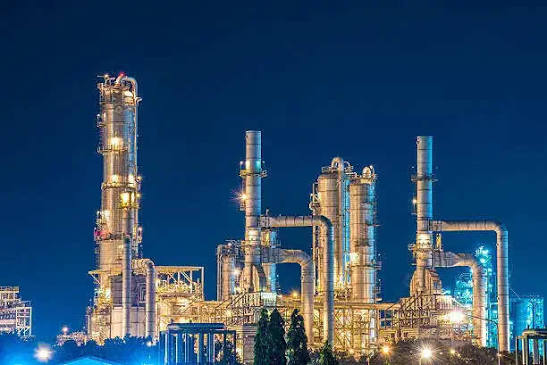
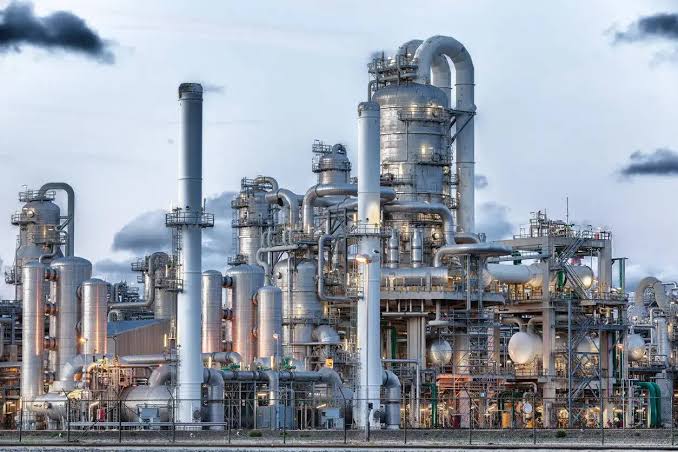
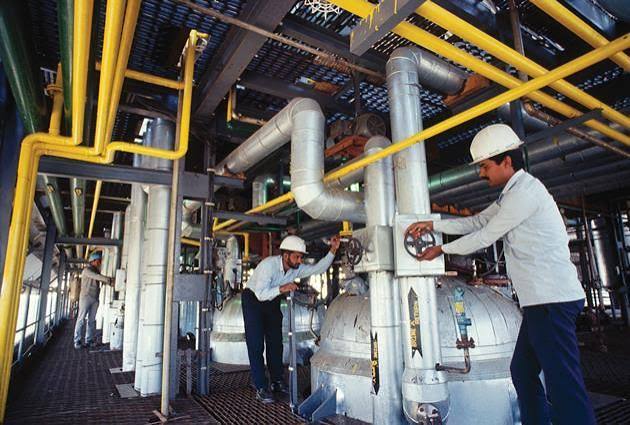
India's growing network of Petroleum, Chemicals and Petrochemicals Investment Regions (PCPIRs) is becoming an important part of the country's strategy to strengthen its position in the global chemical industry. The program has attracted substantial manufacturing activity and helped create large industrial clusters connecting chemical producers, downstream manufacturers, infrastructure providers and logistics networks.
The progress of these investment zones supports India's broader ambition to become a preferred global destination for chemical manufacturing.
For chemical traders, importers, procurement managers and investors, the development is significant because India's expanding production base could create new supplier options, reduce dependence on selected imports and increase the country's role in international chemical trade.
Why Chemical Investment Zones Matter
Chemical manufacturing requires more than production facilities.
Companies also need access to:
Industrial investment zones bring many of these requirements together.
This can reduce the complexity of establishing new chemical manufacturing operations and make large-scale investment more attractive.
PCPIRs Create Integrated Chemical Ecosystems
India's PCPIR model is designed around the concept of industrial clustering.
Rather than developing individual chemical plants independently, the regions encourage companies across the value chain to operate within connected industrial ecosystems.
This creates a potential structure of:
Feedstocks → Basic chemicals → Intermediates → Specialty chemicals → Downstream products
The closer these activities are located, the greater the potential for logistical efficiency and supply-chain integration.
Three Major Regions Support the Strategy
India's PCPIR framework includes three major investment regions:
Dahej in Gujarat
Visakhapatnam–Kakinada in Andhra Pradesh
Paradip in Odisha
Each region provides different strategic advantages based on geography, infrastructure and access to industrial feedstocks.
Together, they support India's efforts to develop multiple chemical manufacturing hubs rather than concentrating investment in a single location.
Dahej Strengthens Western India's Chemical Base
Dahej has become one of India's most important chemical manufacturing clusters.
Its advantages include:
Port connectivity
Established industrial infrastructure
Petrochemical activity
Access to domestic markets
Existing chemical manufacturing expertise
This makes the region attractive for both domestic manufacturers and companies looking for an export-oriented production base.
The Visakhapatnam–Kakinada region provides India with another major platform for chemical and petrochemical development.
Its coastal location offers access to maritime transportation and creates opportunities to connect production with domestic and international markets.
As investment increases, the region could become increasingly important for eastern India's chemical supply chain.
Paradip Adds Strategic Port Access
Paradip provides another important component of India's chemical manufacturing strategy.
Its location and petroleum-related infrastructure can support large-scale industrial activity and improve access to feedstocks.
For companies serving export markets, proximity to port infrastructure can be particularly valuable because transportation costs can significantly influence chemical competitiveness.
Investment Zones Can Support Import Substitution
India imports a wide range of chemical products, intermediates and raw materials.
Expanding domestic production can help replace some imports with locally manufactured alternatives.
The opportunity is particularly relevant for products where India can develop competitive advantages through:
Scale + Feedstock access + Technology + Domestic demand
However, import substitution will vary significantly across product categories.
Highly specialized chemicals may continue to rely on international suppliers.
Exports Are the Bigger Long-Term Opportunity
India's manufacturing ambitions extend beyond serving its domestic market.
The country increasingly wants to become an important supplier to international chemical markets.
Investment zones can support this objective by combining:
Manufacturing scale
Infrastructure
Port access
Skilled workforce
Integrated supply chains
This combination can improve India's ability to compete with established manufacturing centers across Asia and the Middle East.
Specialty Chemicals Could Drive the Next Phase
India has developed strong capabilities in several specialty-chemical segments.
These include:
The growth of investment zones could help these industries expand production and move further up the chemical value chain.
Higher-value products can also provide stronger margins than highly commoditized chemicals.
Global Supply-Chain Diversification Supports India
The global chemical industry is increasingly focused on supply-chain diversification.
Manufacturers and buyers are looking for alternatives to excessive dependence on individual countries or suppliers.
India can benefit from this trend.
International companies may increasingly consider India for:
Contract manufacturing
Joint ventures
New production facilities
Supplier partnerships
Export-oriented manufacturing
This creates an opportunity for India to become an important second source for global chemical buyers.
Why Procurement Teams Should Pay Attention
For procurement managers, India's investment zones can gradually expand the number of qualified suppliers available in the market.
New capacity may create:
Additional sourcing options
Greater supplier competition
Shorter regional supply routes
Alternative production locations
Improved supply-chain resilience
Buyers should therefore monitor not just existing Indian producers but also new plants and capacity additions coming online within major industrial clusters.
Chemical Traders Could See New Export Flows
As manufacturing capacity grows, India's role in chemical trade could change.
Indian producers may increasingly compete in international markets for:
Chemical intermediates
Specialty chemicals
Polymers
Petrochemical products
Industrial chemicals
For traders, this could create new arbitrage opportunities and alternative sourcing routes.
It could also increase competition for established exporters in other Asian markets.
Infrastructure Remains Critical
Investment alone does not guarantee international competitiveness.
Chemical manufacturing depends heavily on infrastructure quality.
Key requirements include:
Reliable electricity
Industrial water
Road and rail connectivity
Port capacity
Storage infrastructure
Waste treatment
The success of India's investment zones will therefore depend on how effectively infrastructure keeps pace with manufacturing expansion.
Environmental Compliance Will Shape Future Growth
Chemical manufacturing is also becoming more closely linked with environmental performance.
Companies operating in large industrial clusters must manage:
Emissions
Wastewater
Hazardous waste
Resource efficiency
Carbon intensity
Environmental approvals
Strong environmental infrastructure can become a competitive advantage rather than simply a compliance requirement.
Investment Zones Can Encourage Downstream Manufacturing
The greatest economic value may come when investment moves beyond basic chemical production.
A mature chemical cluster can attract downstream industries that use locally produced materials.
For example:
Petrochemicals → Polymers → Packaging
or:
Chemical intermediates → Specialty chemicals → Finished industrial products
This creates additional economic value while increasing domestic demand for chemical feedstocks.
What Investors Should Watch
Investors assessing India's chemical manufacturing ambitions should track:
New Capacity
Which companies are building new plants?
Utilization
Are new facilities reaching commercially sustainable operating rates?
Exports
Is India gaining international market share?
Specialty Chemicals
Is investment moving toward higher-value products?
Infrastructure
Are ports, utilities and logistics keeping pace?
Foreign Investment
Are international chemical companies increasing their Indian presence?
Challenges Could Slow the Expansion
India still faces several challenges.
These include:
Addressing these factors will be critical if India wants to compete consistently with established chemical manufacturing hubs.
The Competitive Landscape Is Changing
China remains a major global chemical manufacturing center, while the Middle East maintains advantages in several feedstock-intensive industries.
India's opportunity is different.
Its strongest competitive advantages may come from combining:
Large domestic demand + Manufacturing expertise + Specialty chemicals + Skilled workforce + Supply-chain diversification
This combination could allow India to occupy an increasingly important position between major Asian production centers and Western markets.