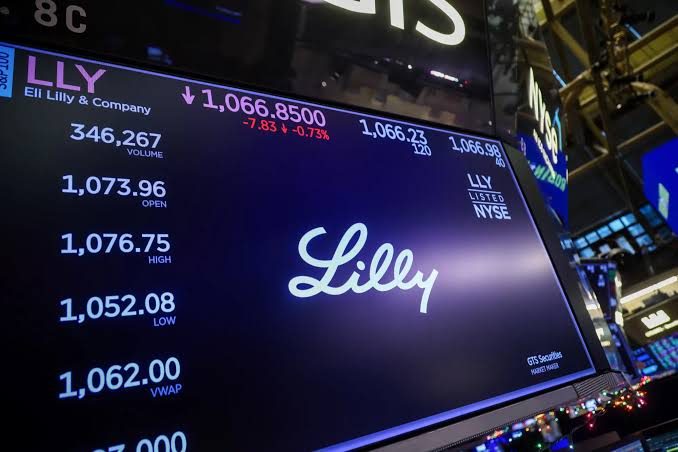
Eli Lilly's acquisition activity in 2026 provides a useful window into how major pharmaceutical companies are approaching pipeline expansion. Rather than relying exclusively on internal research, Lilly has pursued multiple external opportunities across oncology, genetic medicine and other high-value therapeutic areas. The pace suggests that large pharmaceutical companies continue to view targeted acquisitions as an important way to secure differentiated assets before competitors do.
Ajax Shows the Strategy Clearly
The acquisition of Ajax Therapeutics is one of the clearest examples. Lilly agreed to acquire Ajax for up to $2.3 billion, gaining AJ1-11095, a first-in-class Type II JAK2 inhibitor targeting myelofibrosis. Importantly, Lilly had already been a founding strategic investor in Ajax, showing how pharmaceutical companies can use earlier-stage investments to build relationships with promising biotech companies before eventually pursuing full acquisitions.
Why Pipeline Competition Is Intensifying
The pharmaceutical industry faces a structural need for new assets as companies manage patent expirations, rising development costs and increasing competition in established therapeutic categories. This makes clinically differentiated biotech programs particularly attractive. Acquiring an asset that has already demonstrated early clinical potential can potentially save years of discovery work, although buyers still assume substantial clinical-development risk.
Lilly Is Part of a Broader M&A Pattern
Lilly's activity should not be interpreted as an isolated spending spree. Across the pharmaceutical sector, large companies continue to pursue acquisitions and licensing deals in areas such as oncology, immunology, rare diseases, gene therapy and precision medicine. The competitive focus is increasingly shifting toward quality of pipeline assets rather than simply transaction volume, with companies willing to pay substantial premiums for programs that could become future growth drivers.
Deal Pace Can Signal Strategic Confidence
A rapid sequence of acquisitions can indicate that management believes its balance sheet and existing commercial position provide enough flexibility to invest aggressively. Lilly's strong position in diabetes and obesity medicines gives it substantial financial capacity to pursue external innovation. This creates an important competitive advantage because smaller biotechnology companies may prefer partnering with or selling to a financially strong buyer capable of funding expensive late-stage development.
But More Deals Do Not Automatically Mean Better Returns
The downside is that accelerated M&A can increase valuation and integration risks. If several pharmaceutical companies compete for the same limited pool of attractive biotech assets, acquisition prices can rise faster than underlying clinical value. Lilly therefore needs successful development and commercialization of acquired programs to justify the capital deployed. Ajax's eventual clinical performance will be one important test of whether this strategy produces sustainable returns.
The Intelligence Takeaway
Lilly's 2026 deal pace suggests that pharma M&A remains an important competitive tool for rebuilding and diversifying pipelines, particularly when companies can identify differentiated assets before they reach late-stage valuations. The broader signal is not simply that pharmaceutical companies are buying more companies, but that strategic investors are increasingly trying to establish relationships with promising biotechs early and convert those relationships into acquisitions when the science becomes more compelling.