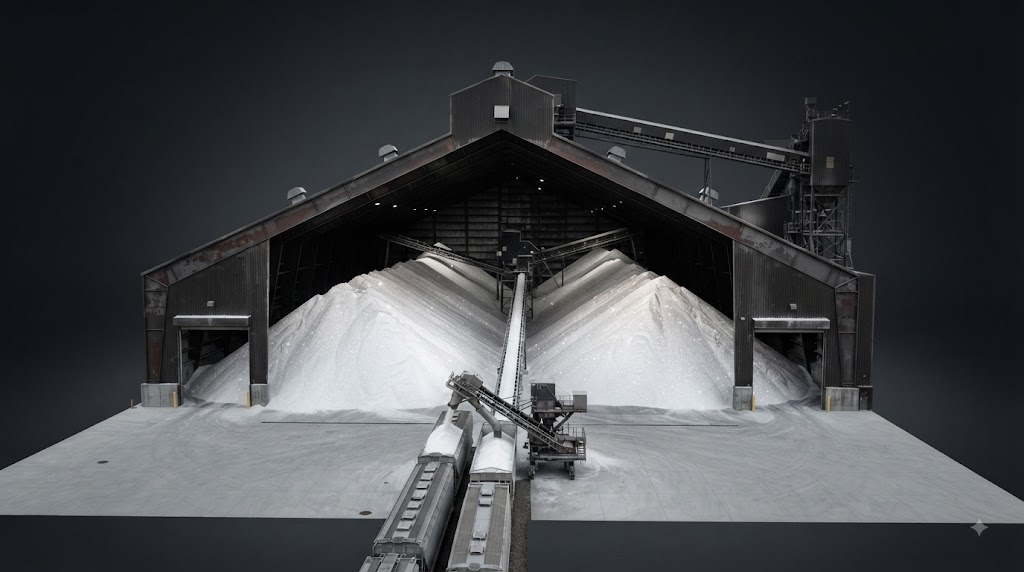
Intrepid Potash’s sale of its South Ranch property exemplifies an accelerating trend among fertilizer producers divesting non-core land and water holdings to sharpen operational focus. The company explicitly stated these assets were misaligned with its core potash production strategy prompting strategic portfolio simplification. This disciplined approach signals broader sector recognition that sustainable competitiveness requires undivided attention to primary manufacturing excellence.
Procurement professionals should view such divestitures as positive indicators of supplier maturity and long-term viability rather than distress signals. Companies actively shedding distractions demonstrate commitment to operational discipline and capital efficiency essential for reliable supply partnerships. Understanding this trend enables more confident supplier selection and relationship development amid evolving ownership landscapes.
Strategic Rationale Behind Non-Core Asset Divestitures
Fertilizer manufacturing demands significant capital investment in mine development, processing facilities and logistics infrastructure to maintain cost competitiveness. Capital diverted to manage unrelated real estate or resource holdings reduces funds available for core business modernization and expansion. Portfolio simplification unlocks trapped value redirecting resources toward productivity-enhancing investments benefiting customers through improved service and pricing.
Management bandwidth represents equally scarce resource better deployed optimizing mining operations than administering grazing leases or water entitlements. Executive attention fragmented across diverse asset classes dilutes operational oversight increasing risk of performance degradation in core businesses. Focused leadership teams deliver superior execution consistency supporting reliable supply commitments valued by agricultural buyers.
Investor expectations increasingly reward specialized operators demonstrating clear strategic boundaries over diversified conglomerates with opaque value drivers. Market valuations reflect premium for transparency and predictability enabling lower cost of capital funding future growth initiatives. Enhanced financial flexibility ultimately supports capacity investments and technology adoption improving long-term supply security for downstream customers.
Water Rights and Land Holdings Reassessment Across Sector
Water-intensive fertilizer production faces intensifying scrutiny regarding resource adequacy and sustainability amid climate pressures globally. Producers reassessing water portfolios distinguish between operationally essential entitlements and surplus holdings representing stranded value without adjacent utilization. Monetizing excess water rights generates immediate liquidity while transferring stewardship to parties with active development plans optimizing societal resource allocation.
Land holdings accumulated historically for speculative purposes or legacy reasons receive similar strategic review as opportunity costs rise. Agricultural land values appreciate independently of mineral extraction economics creating valuation disconnects incentivizing separation. Proceeds from land sales fund core business reinvestment while removing administrative burdens associated with property management and regulatory compliance.
Environmental, social and governance considerations increasingly influence asset retention decisions beyond pure financial metrics. Non-core holdings may carry reputational risks or community relations complexities distracting from core business stakeholder engagement. Strategic divestiture simplifies ESG narratives enhancing credibility with investors and customers prioritizing sustainability alignment in supplier selection.
Operational Focus Translation to Customer Value Creation
Streamlined organizations demonstrate enhanced responsiveness to market signals and customer needs through reduced decision-making complexity. Maintenance spending and capacity optimization receive undiluted executive attention preventing deferred investment accumulation eroding reliability. Customers experience fewer unplanned disruptions and more consistent quality when suppliers prioritize core operational excellence over peripheral activities.
Cost structure improvements from portfolio simplification support competitive pricing during margin compression periods preserving market share. Lower overhead burdens provide cushion absorbing input cost volatility without passing full impact to buyers immediately. Pricing stability enhances customer planning confidence supporting longer-term contractual relationships beneficial to both parties.
Innovation pipelines accelerate when R&D resources concentrate exclusively on core product development and process improvement opportunities. Breakthrough technologies addressing nutrient use efficiency or application methods emerge faster from focused research programs. Customers benefit from enhanced product offerings supporting their own sustainability and productivity objectives through collaborative innovation partnerships.
Supply Chain Resilience Through Strategic Clarity
Capital allocation transparency improves when investment options concentrate within single industry vertical enabling better forecasting and planning. Suppliers with clear strategic boundaries provide more reliable guidance on capacity expansion timelines and technology adoption roadmaps. Procurement teams incorporate this predictability into sourcing strategies reducing uncertainty premiums embedded in commercial terms.
Risk assessment frameworks simplify when supplier business models lack hidden exposures to unrelated market cycles or regulatory regimes. Correlation analysis becomes more accurate enabling better portfolio diversification decisions across supplier base. Reduced complexity lowers monitoring costs and enhances early warning system effectiveness identifying emerging vulnerabilities proactively.
Talent attraction and retention strengthens when organizations offer clear career paths within specialized domains rather than generalized roles across disparate assets. Technical expertise deepens through focused experience building institutional knowledge essential for complex fertilizer manufacturing processes. Workforce stability translates directly to operational consistency and customer service reliability valued by agricultural buyers dependent on timely deliveries.
Market Positioning Implications Amid Sector Consolidation
Specialized operators gain competitive advantage versus diversified peers during downturns when capital scarcity forces difficult prioritization decisions. Focused companies maintain investment discipline preserving long-term positioning while conglomerates face pressure cutting core spending to subsidize underperforming segments. Cyclical resilience enhances strategic value attracting premium valuations and partnership opportunities during recovery phases.
Domestic production importance increases as geopolitical uncertainties highlight supply chain sovereignty concerns among agricultural stakeholders. Streamlined US-based producers like Intrepid Potash position favorably for policy support and customer preference shifts toward local sourcing. Regulatory tailwinds may increasingly favor demonstrably focused operators committed to national food security objectives over diversified entities with ambiguous domestic commitment.
Industry consolidation trends validate strategic logic underlying individual divestiture decisions as market rewards specialization consistently. M&A activity concentrates on platforms with clear scope boundaries and proven operational excellence rather than fixer-upper conglomerates requiring extensive restructuring. Buyers observing this pattern can anticipate continued portfolio rationalization across supplier base informing long-term sourcing strategies.
What Procurement Teams Should Do Now
Update supplier evaluation scorecards incorporating strategic focus metrics alongside traditional operational and financial performance indicators. Weight assessments based on demonstrated portfolio discipline and capital allocation clarity reflecting true long-term viability. Documented methodology ensures consistent application across category teams supporting audit readiness and stakeholder communication.
Engage streamlining suppliers proactively discussing how refocusing translates to tangible customer benefits and partnership opportunities. Request specific examples of reinvested proceeds enhancing production capacity or service capabilities validating strategic narrative. Direct dialogue converts abstract announcements into concrete commercial value propositions supporting mutual growth objectives.
Review contract renewal timing aligning negotiations with post-divestment operational stabilization periods maximizing leverage strategically. Suppliers emerging from restructuring often offer favorable terms rebuilding volume commitments and demonstrating renewed reliability. Thoughtful timing balances commercial optimization with relationship support during critical transition phases.
Monitor quarterly communications tracking execution consistency against stated strategic priorities identifying early warning signs of drift or reversal. Consistency between announced intentions and reported results validates management credibility and forecast reliability essential for long-term planning. Proactive intelligence gathering enables anticipatory adjustments before performance impacts materialize affecting supply continuity.
Assess portfolio concentration risks arising from correlated streamlining trends across multiple suppliers potentially creating systemic vulnerabilities. Diversification strategies may require expanding beyond traditional supplier universes including international sources or niche specialists. Balanced approaches mitigate correlated risk while maintaining primary supplier relationships optimized for commercial outcomes.
Ready to source potash from verified global suppliers? Explore competitive offers on our platform today.