Iran's Petrochemical Sanctions Whiplash: What OFAC's Temporary Oil/Petrochemical License Means for Asian Buyers
Introduction
The U.S. sanctions landscape surrounding Iran's energy sector has shifted rapidly in 2026. Following years of strict restrictions, the U.S. Department of the Treasury's Office of Foreign Assets Control (OFAC) issued a temporary general license permitting certain transactions involving Iranian crude oil, petroleum products, and petrochemical products for a limited period as part of broader diplomatic negotiations. However, subsequent sanctions actions have underscored that the regulatory environment remains highly fluid.
For Asian buyers—including chemical manufacturers, refiners, and petrochemical importers—this regulatory uncertainty creates both opportunities and significant compliance risks. Procurement teams must carefully evaluate supply strategies while remaining prepared for sudden policy changes.
Understanding OFAC's Temporary General License
The temporary general license issued by OFAC authorized certain transactions involving Iranian-origin crude oil, petroleum products, petrochemical products, and related services—including transportation, insurance, and banking—for a limited period tied to ongoing diplomatic discussions. The authorization was designed as a temporary measure rather than a permanent change in U.S. sanctions policy.
For businesses, the key takeaway is that temporary licenses have defined conditions and expiration dates. Companies cannot assume that broader sanctions have been permanently lifted.
Why This Matters for Asian Buyers
Asian countries have historically been among the largest importers of Iranian oil and petrochemical products because of geographic proximity and competitive pricing.
Potential implications include:
Greater Supply Availability
Temporary licensing may increase the availability of Iranian-origin petrochemical products in international markets during the authorized period.
Pricing Opportunities
Additional supply entering regional markets may create short-term pricing advantages for selected petrochemical feedstocks.
Market Volatility
Because temporary licenses can expire or be modified, buyers should expect continued price fluctuations and procurement uncertainty.
Compliance Complexity
Importers must carefully verify whether individual transactions fall within the scope of applicable licenses and sanctions requirements.
Impact on Chemical Supply Chains
Changes in sanctions policy can affect multiple areas of the chemical value chain.
Feedstock Procurement
Companies sourcing methanol, aromatics, polymers, or other petrochemical feedstocks should monitor market availability and pricing trends.
Shipping and Logistics
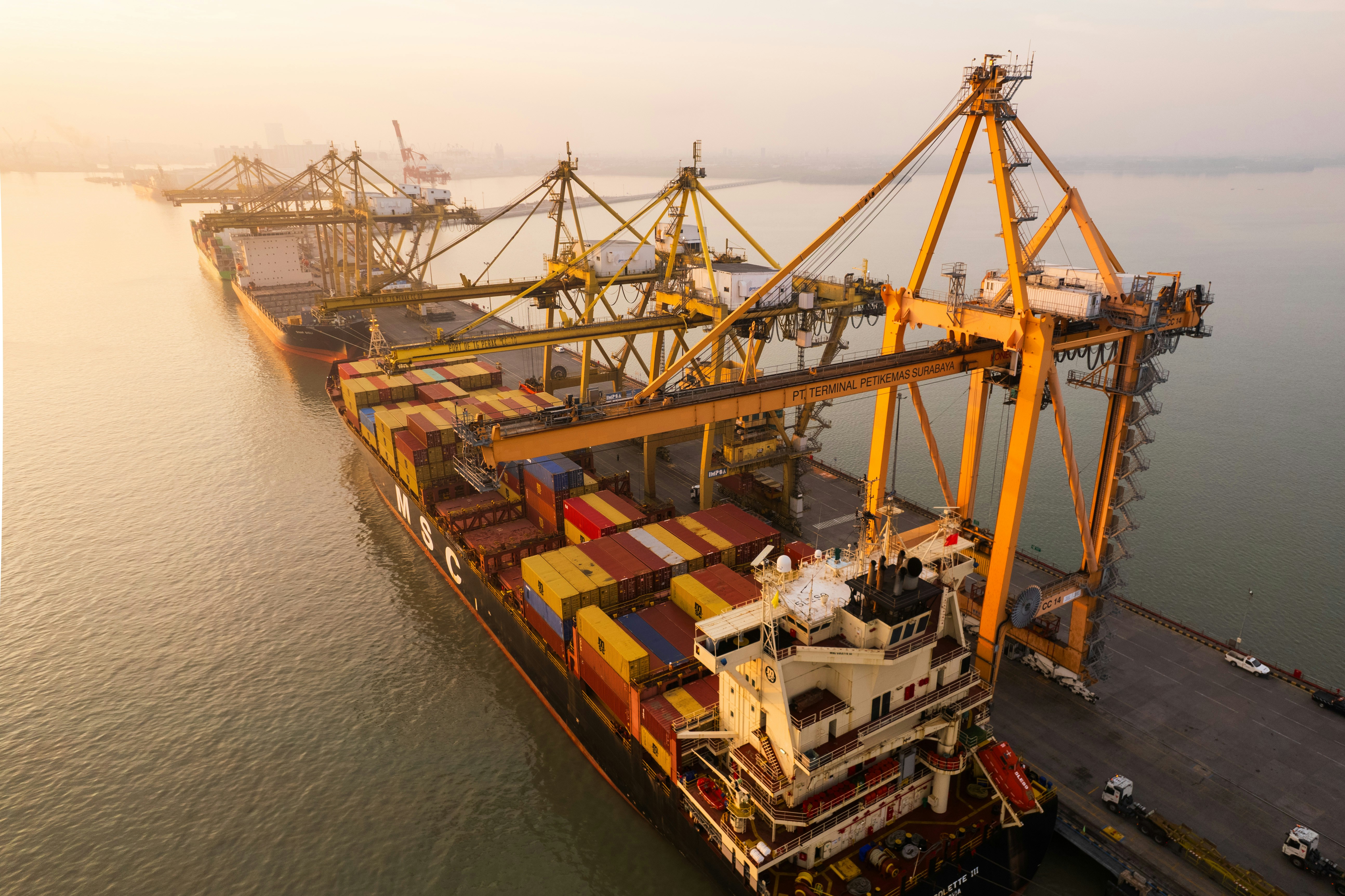
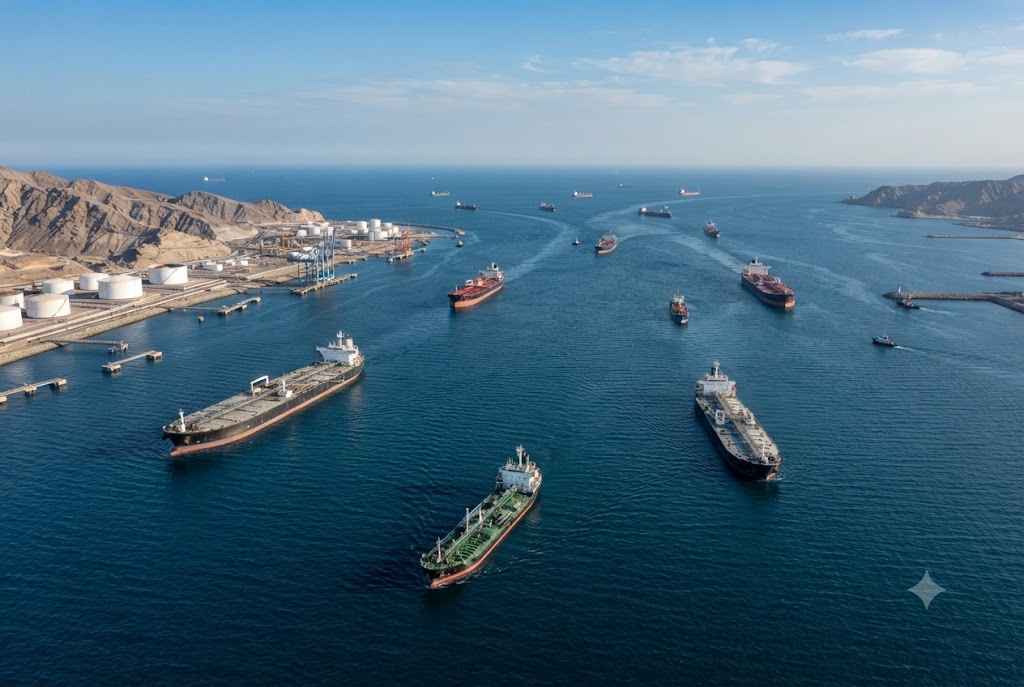
Shipping companies, insurers, and financial institutions may apply their own risk policies even when temporary authorizations exist, potentially affecting transportation options.
Supplier Qualification
Procurement teams should verify supplier ownership structures, trading partners, and transaction pathways before entering new supply agreements.
Inventory Planning
Businesses may consider balancing inventory levels to reduce exposure to sudden regulatory changes or supply interruptions.
Compliance Risks Remain High
Even with temporary authorizations, sanctions compliance remains a critical priority.
Organizations should pay close attention to:
License scope and expiration dates.
Counterparty screening against OFAC sanctions lists.
Accurate documentation of product origin.
Banking and payment restrictions.
Shipping and insurance requirements.
Changes to sanctions issued after contracts are signed.
The U.S. has continued to impose new sanctions on entities, vessels, insurers, and networks linked to Iranian energy exports, demonstrating that enforcement remains active even amid temporary policy adjustments.
Procurement Best Practices
Chemical procurement teams can reduce risk by adopting a structured compliance approach.
Recommended actions include:
Conduct enhanced due diligence on suppliers and intermediaries.
Screen all counterparties using current OFAC sanctions lists.
Consult legal and trade compliance experts before entering transactions.
Diversify feedstock sourcing across multiple regions.
Include sanctions-related clauses in procurement contracts.
Continuously monitor regulatory developments and license updates.
These measures improve operational resilience while reducing regulatory exposure.
Looking Ahead
The temporary OFAC license illustrates how quickly geopolitical developments can reshape global petrochemical markets. While diplomatic progress may create limited commercial opportunities, businesses should avoid assuming that sanctions relief will become permanent.
Future U.S. policy decisions, international negotiations, and regional geopolitical developments will continue to influence the availability and pricing of Iranian petrochemical products.
Conclusion
The temporary OFAC authorization for Iranian oil and petrochemical transactions represents a notable shift in an otherwise restrictive sanctions environment. For Asian buyers, it may provide short-term sourcing opportunities, but it also introduces greater compliance complexity and planning challenges.
Organizations that combine proactive sanctions screening, diversified sourcing strategies, and continuous regulatory monitoring will be better positioned to manage uncertainty while maintaining secure and compliant chemical supply chains in a rapidly evolving geopolitical landscape.