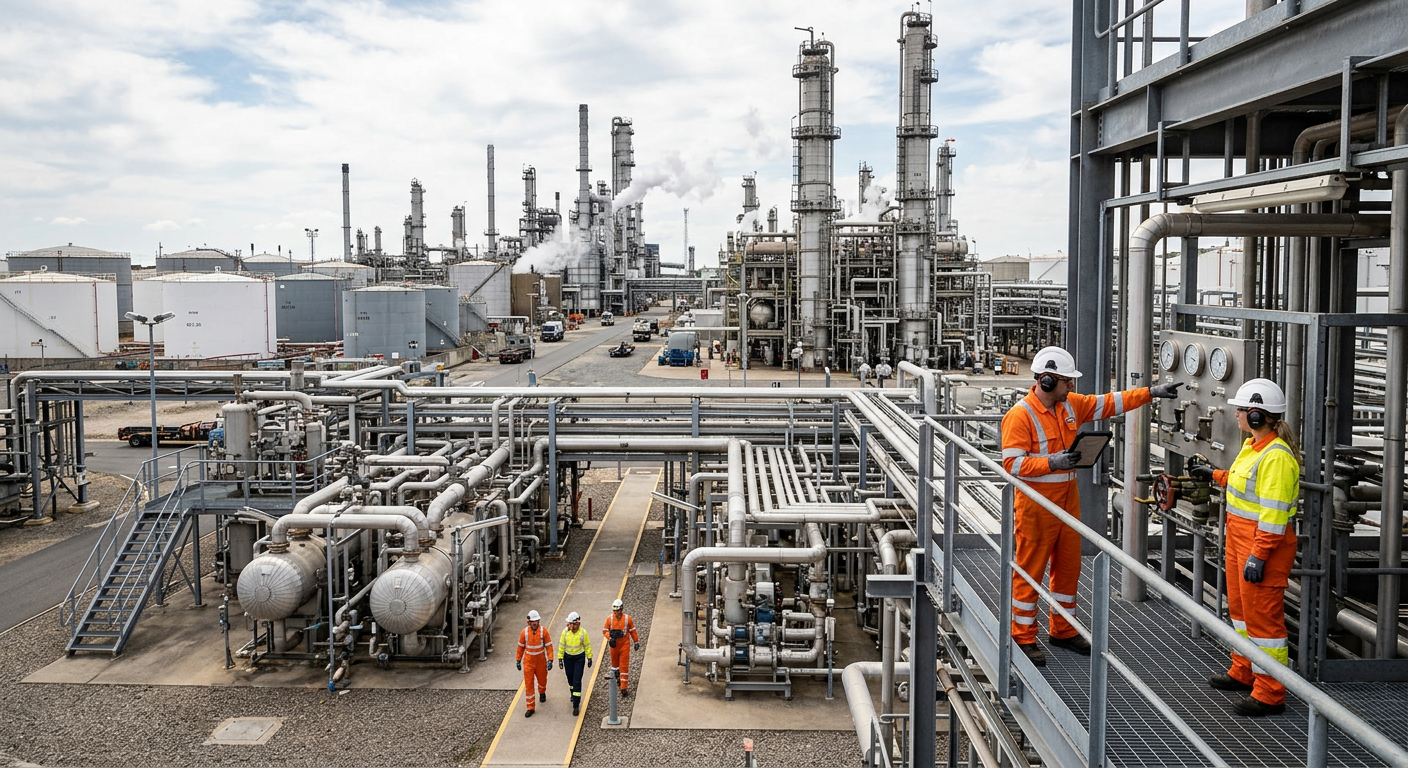
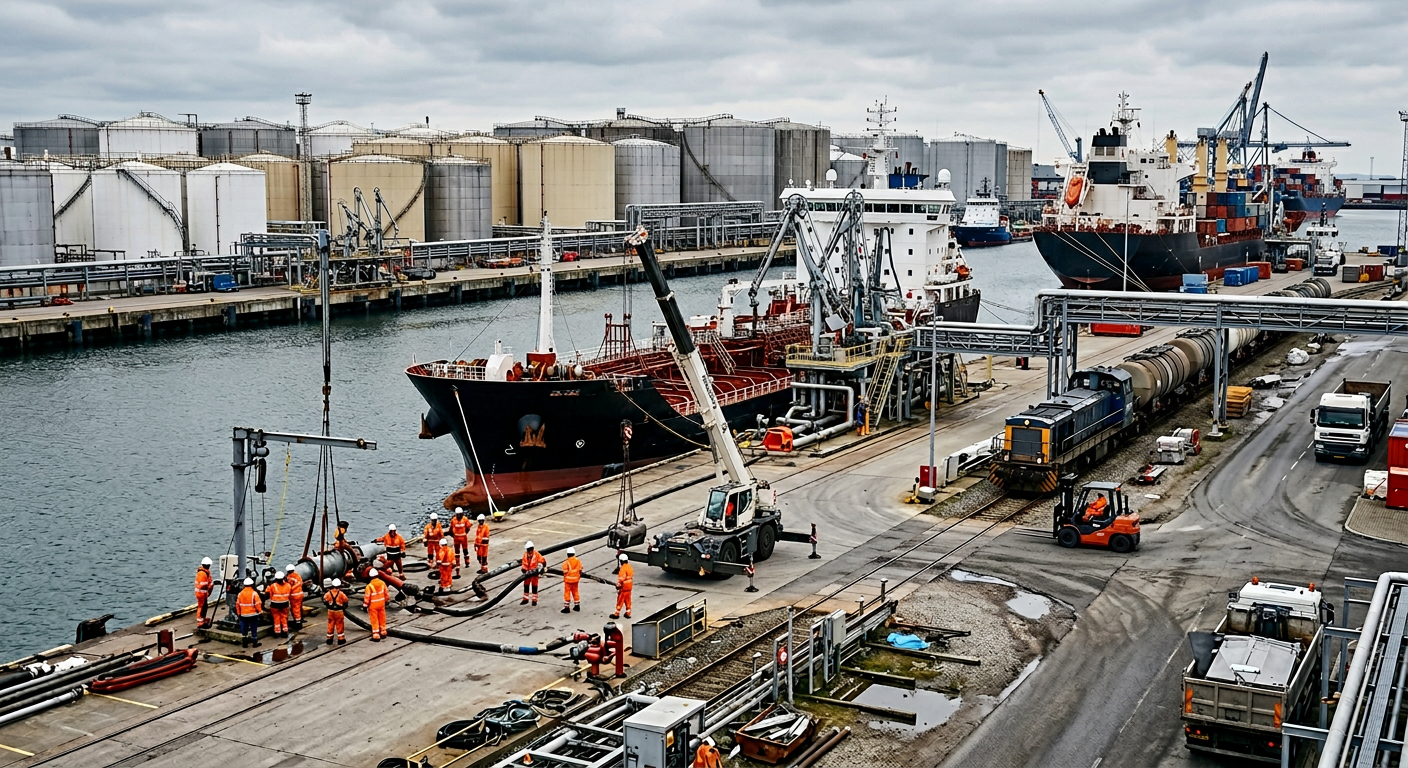
Global methanol trade depends heavily on a relatively small number of exporting countries. According to ICIS Supply and Demand Database data confirmed in IOM3's March 2026 reporting, Iran exported well over 9 million tonnes of methanol in 2025, making it the country's largest chemical export. Saudi Arabia exported nearly 4 million tonnes during the same period.
Combined, these two producers accounted for approximately 13 million tonnes of methanol exports, representing roughly one-third of global seaborne methanol trade, according to the WEF Beyond Oil analysis. For procurement professionals, this concentration explains why disruptions affecting the Gulf region have had such a significant impact on methanol availability and market sentiment.
Why Methanol Trade Is Highly Concentrated
Unlike some commodity chemicals that have a broad global production base, methanol exports are concentrated among several major producing regions with access to competitive feedstocks and large-scale manufacturing facilities.
Iran and Saudi Arabia have built substantial export-oriented methanol industries supported by integrated production infrastructure and established shipping networks.
This concentration means that disruptions affecting one major exporter can influence regional pricing. When two leading exporters experience disruption at the same time, the effects become much more pronounced across international markets.
Why Iran Is the World's Leading Methanol Exporter
Methanol has become Iran's most important chemical export because of the country's large production capacity and its ability to manufacture methanol at industrial scale.
The country's methanol industry benefits from:
Large integrated production facilities.
Established export infrastructure.
Strong participation in international methanol trade.
Significant production volumes serving overseas markets.
Because exports represent a major part of the industry's commercial activity, disruptions to shipping routes directly affect global supply availability.
The Significance of Saudi Arabia's Export Position
Saudi Arabia remains another major supplier to international methanol markets.
Its nearly 4 million tonnes of exports complement Iran's larger volumes, making the Gulf region one of the world's most important sources of internationally traded methanol.
For buyers, the combined importance of these two producers means regional events have consequences that extend well beyond the Middle East.
Rather than influencing a single supplier, disruptions can affect a substantial portion of internationally traded supply.
Why the Hormuz Disruption Had Such a Large Impact
The severity of the recent market disruption becomes easier to understand when viewed through export concentration.
The sequence was straightforward:
Two major methanol exporters experienced simultaneous disruption.
Approximately one-third of global seaborne methanol trade became affected.
International buyers faced increased uncertainty regarding shipments.
Procurement teams adjusted sourcing strategies and inventory planning.
The issue was not simply transportation. It involved a significant share of global export availability becoming more difficult to access at the same time.
What the Expanded Convoy System Means
The confirmed expansion of the convoy system, with 15 vessels crossing safely, represents an important operational milestone for regional exports.
For procurement professionals, this development should be viewed as the beginning of a recovery process rather than an immediate return to normal market conditions.
Several stages remain necessary before global methanol trade fully stabilises:
Consistent vessel movements through established shipping routes.
Reliable loading schedules at export terminals.
Stable production across major manufacturing facilities.
Rebuilding export inventories.
Restoration of regular customer delivery programmes.
As these conditions improve, international supply confidence is also likely to strengthen.
How Buyers Should Interpret Current Market Signals
Procurement teams should avoid focusing on a single market indicator.
Instead, evaluate several factors together:
Export volumes from Iran and Saudi Arabia.
Vessel movements through Gulf shipping routes.
Methanol inventory levels.
Production rates at major export facilities.
Spot market availability.
Freight costs and shipping schedules.
Monitoring these indicators together provides a more complete understanding of market direction.
Procurement Considerations for Methanol Buyers
The concentration of global methanol exports reinforces the importance of diversified sourcing strategies.
Practical procurement measures include:
Maintaining relationships with suppliers in multiple producing regions.
Monitoring export logistics alongside production updates.
Reviewing inventory requirements based on delivery risk.
Confirming shipment schedules well in advance.
Following developments in downstream methanol demand.
These actions help reduce exposure to regional supply disruptions while supporting long-term procurement stability.
Looking Ahead Through 2027
Iran and Saudi Arabia remain central to the global methanol trade, together supplying approximately one-third of internationally traded seaborne volumes. Their combined importance explains why disruptions affecting both exporters have had such a significant influence on pricing, availability and procurement planning.
The expanding convoy system represents the first meaningful step toward restoring export flows, but buyers should recognise that logistics recovery and market normalisation are not the same process. Procurement professionals who continue monitoring export volumes, production rates and shipping performance will be better positioned to navigate methanol sourcing through the remainder of 2026 and into 2027.
Ready to source methanol from verified global suppliers? Explore competitive offers on our platform today.