

Article
Jun 19, 2026schedule4 Min Read
Drug Shortage Intelligence: Which APIs Are at Highest Risk in H2 2026
Full Reportarrow_forward


prodchem
Jun 19, 2026
The global chemical industry depends on specialized logistics systems that most procurement teams rarely think about—until they become unavailable.
In 2026, liquid chemical transportation has become one of the most stressed segments of the global supply chain. The Hormuz disruption, vessel rerouting, container imbalances and equipment shortages have created challenges across virtually every category of bulk liquid logistics.
For companies shipping acids, solvents, plasticizers, liquid polymers and specialty chemicals, securing transportation equipment is becoming almost as important as securing product supply itself.
The result is growing pressure on isotank operators, flexibag manufacturers and intermediate bulk container (IBC) suppliers worldwide.
Unlike dry cargo, liquid chemicals often require specialized transportation systems.
The three most common solutions include:
Isotanks.
Flexibags.
Intermediate Bulk Containers (IBCs).
Each serves different market needs and product categories.
The choice between them depends on:
Product compatibility.
Shipment volume.
Cost considerations.
Destination infrastructure.
Regulatory requirements.
When supply chains are functioning normally, these systems complement one another.
During disruptions, however, shortages can quickly emerge.
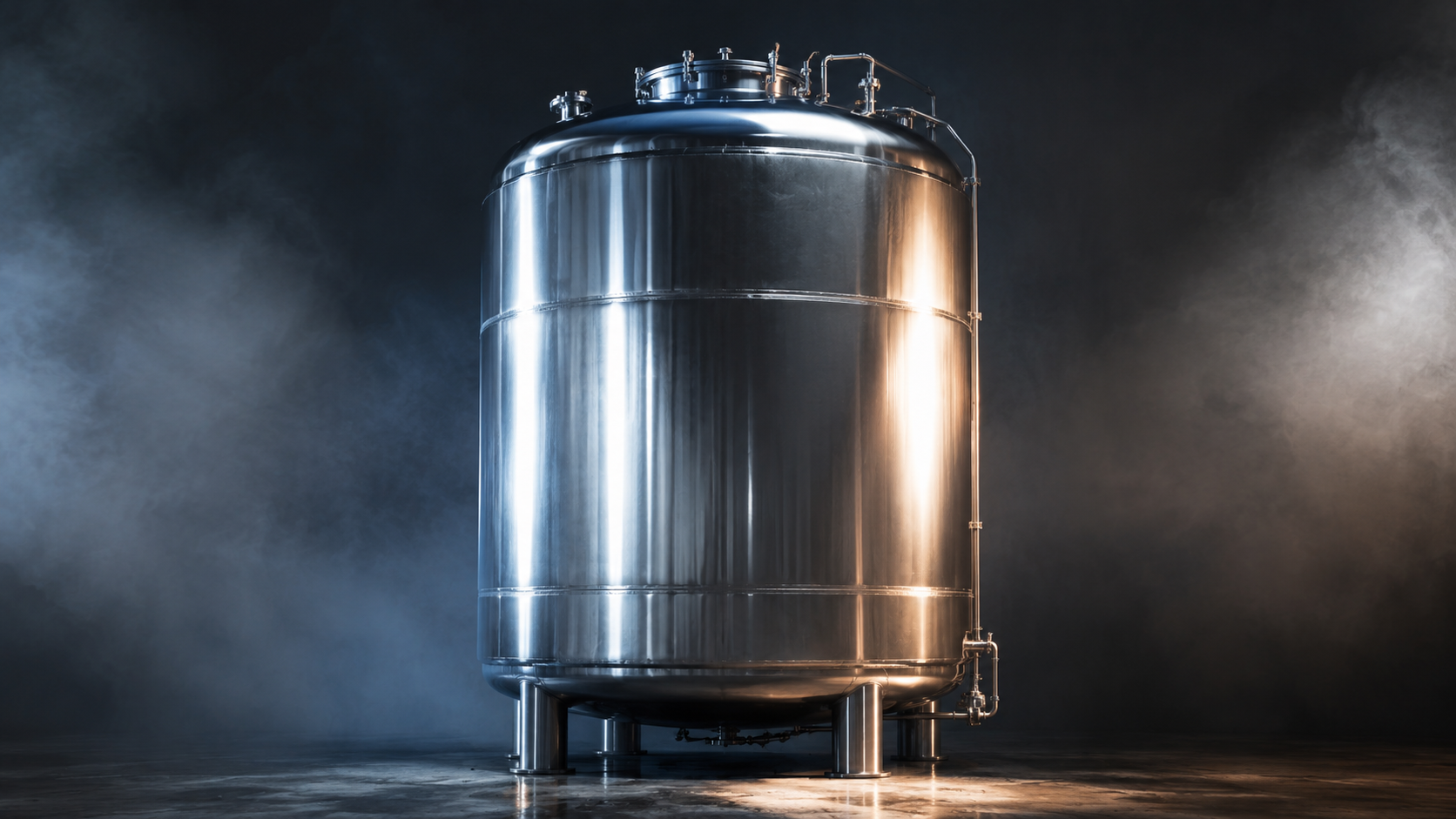
For many chemical products, isotanks remain the preferred transportation method.
They offer:
High safety standards.
Reusability.
Regulatory compliance.
Efficient bulk transportation.
Lower contamination risk.
Products commonly transported in isotanks include:
Methanol.
Acetic acid.
Sulfuric acid.
Caustic soda solution.
Liquid polymers.
Specialty solvents.
However, 2026 has created new challenges.
One of the biggest problems facing isotank operators is equipment imbalance.
During the Hormuz disruption:
Equipment became stranded.
Vessel schedules changed.
Container flows became uneven.
Return logistics deteriorated.
As a result, repositioning costs increased significantly.
Operators now face higher expenses moving empty tanks back into high-demand export locations.
Those costs are increasingly being passed through to customers.
As isotank availability tightens, many chemical buyers are evaluating alternatives.
One of the biggest beneficiaries has been the flexibag market.
Flexibags are:
Installed inside standard containers.
Relatively low cost.
Suitable for many non-hazardous liquids.
Widely used for food-grade and industrial liquids.
In 2026, Chinese flexibag manufacturers have reported increased demand as buyers search for ways to reduce transportation costs.
Advantages include:
Lower equipment costs.
Greater availability.
Simpler deployment.
Reduced repositioning requirements.
However, flexibags are not suitable for all products and require careful compatibility assessment.
Intermediate Bulk Containers (IBCs) occupy an important middle ground between drums and bulk tank transportation.
They are widely used for:
Specialty chemicals.
Industrial additives.
Cleaning chemicals.
Water treatment products.
Intermediate materials.
Current market conditions are creating challenges.
Supply chain disruptions affecting plastic components and container manufacturing have reduced availability across parts of Europe.
The result is:
Longer lead times.
Higher prices.
Reduced inventory availability.
For buyers relying heavily on IBC packaging, planning horizons are becoming increasingly important.
Many procurement teams focus exclusively on transportation costs.
In 2026, insurance deserves equal attention.
Key considerations include:
War risk coverage.
Route deviations.
Equipment liability.
Cargo damage provisions.
Force majeure exclusions.
Policies written before the Hormuz disruption may not fully address current operating conditions.
Chemical shippers should verify coverage details before arranging shipments.
The current market has encouraged some companies to work with unfamiliar logistics providers.
That creates risk.
When selecting operators, buyers should review:
Regulatory certifications.
Hazardous cargo experience.
Safety records.
Insurance coverage.
Emergency response capabilities.
The cheapest logistics provider is rarely the lowest-risk provider.
This is especially true when transporting hazardous chemical cargo.
Several product categories are particularly sensitive to equipment shortages.
These include:
Acetic acid.
Sulfuric acid.
Hydrochloric acid.
Methanol.
IPA.
Ethyl acetate.
MEK.
Latex products.
Plasticizers.
Specialty resins.
These products frequently require specialized transportation systems and are therefore more vulnerable to logistics disruptions.
The current environment requires proactive planning.
Recommended actions include:
Book logistics capacity further in advance than historical norms.
Review war-risk and route-deviation provisions carefully.
Avoid dependence on a single equipment operator.
Evaluate whether alternative packaging formats are feasible.
Track isotank, flexibag and IBC market conditions alongside freight rates.
The liquid chemical logistics market is facing one of its most challenging periods in years. Isotank repositioning costs have surged, flexibag demand is rising rapidly and IBC availability remains constrained in several regions.
For logistics managers, transportation equipment is no longer a routine operational issue—it has become a strategic procurement consideration. Companies that secure equipment early, diversify logistics options and maintain strong operator relationships will be better positioned to navigate ongoing market volatility.
As the global supply chain continues adjusting to post-Hormuz realities, equipment availability may prove just as important as freight rates in determining the true cost of chemical imports during the remainder of 2026.

Featured Product
Found this useful?
Continue Reading
Caustic soda markets across Southeast Asia are entering a period of tighter availability as Middle East disruptions ripple through global supply chains. Higher spot prices, shifting trade flows and longer lead times are forcing procurement teams to reassess sourcing strategies for Q3 2026.

The chemical market’s July‑June 5 week saw mixed pricing trends, robust contract settlements, and shifting demand in coatings. Procurement teams can leverage these signals to anticipate price swings, negotiate better terms, and secure inventory. Here’s what the numbers mean for your sourcing strategy.