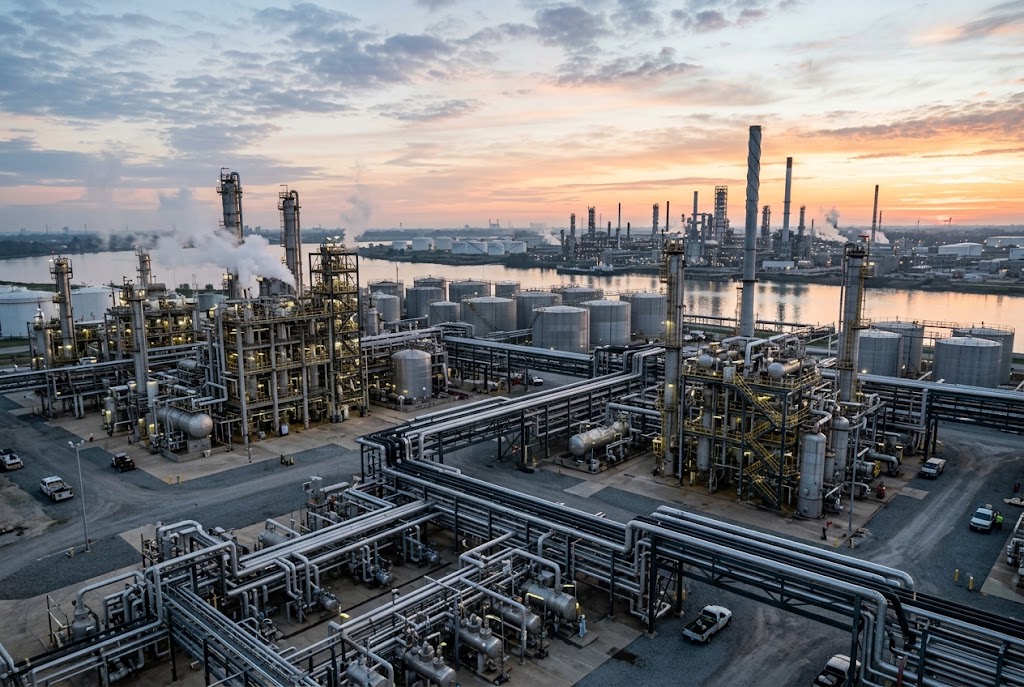
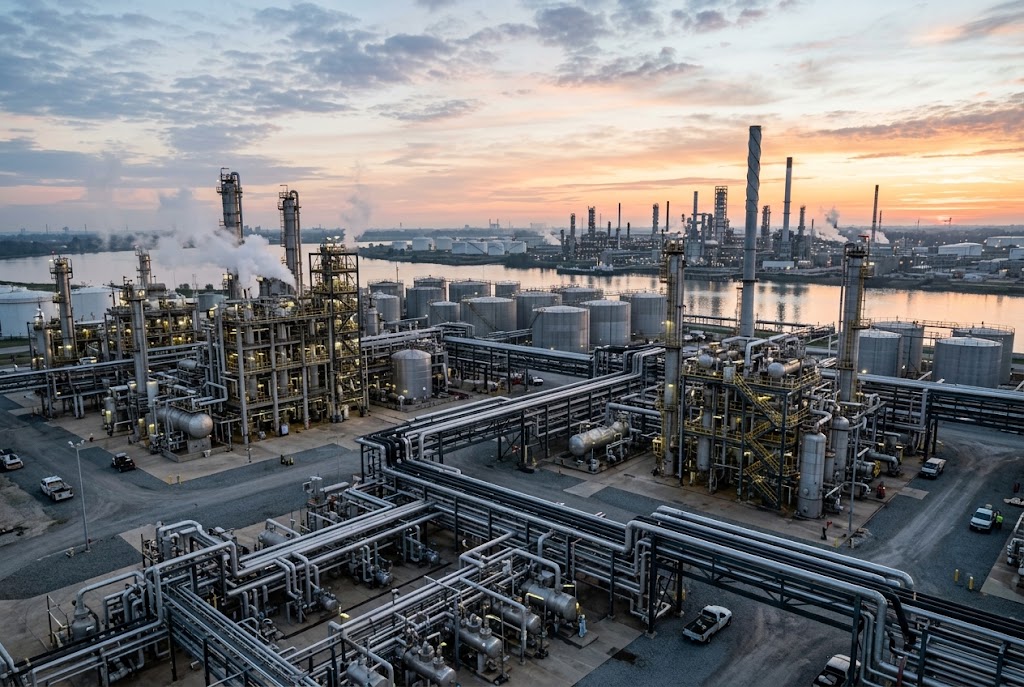
The German petrochemical sector is undergoing a profound structural transformation. The Ludwigshafen headcount milestone, where staff numbers fell below 30,000 for the first time since 1954, adds another symbolic data point to a season of headlines documenting the scale of this contraction through 2026. This trend is not isolated to one company. It reflects broader challenges facing the entire European chemical industry.
For procurement managers and chemical traders, these headlines signal a shift in global supply dynamics. The era of abundant, low-cost bulk chemicals from Europe is ending. Buyers must adapt to a landscape where capacity rationalization replaces expansion. Understanding the drivers behind this contraction is vital for securing long-term supply stability.
The symbolism of the headcount drop cannot be overstated. Ludwigshafen has long been the flagship of European chemical production. Its shrinking workforce indicates that even the largest players are retreating from energy-intensive bulk manufacturing. This retreat creates opportunities and risks for global buyers.
The Symbolism of the 2026 Contraction Season
The year 2026 has seen a series of announcements highlighting the struggles of the German petrochemical sector. From force majeure declarations due to low river levels to permanent plant closures, the narrative is consistent. The industry is contracting under the weight of high energy costs and weak demand.
The Ludwigshafen headcount figure serves as a human metric for this industrial shift. It represents thousands of jobs lost or relocated. For the market, it signals reduced operational capacity. Each headline reinforces the message that Europe is no longer the default hub for basic chemical production.
Capacity reductions: Multiple producers are shutting down inefficient units.
Investment shifts: Capital is moving toward specialty chemicals and overseas facilities.
Workforce adjustments: Labor forces are shrinking as automation and closures take effect.
This season of symbolism marks a turning point. Procurement teams must recognize that these are not temporary setbacks. They are structural changes that will define the market for years to come.
Drivers Behind the Sector-Wide Contraction
Several macroeconomic factors are driving the contraction of the German petrochemical sector. High natural gas prices remain the primary challenge. Energy-intensive processes like steam cracking are becoming uncompetitive compared to regions with cheaper feedstocks.
Regulatory pressures also play a significant role. The European Union’s strict environmental regulations increase compliance costs. While necessary for sustainability, these rules add financial burdens that competitors in other regions do not face. This regulatory gap erodes the competitive advantage of European producers.
Weak domestic demand further exacerbates the problem. Mature European markets show stagnant growth for many bulk chemicals. Without robust local consumption, producers must rely on exports. However, global competition makes exporting difficult when production costs are high.
Energy cost disparity: European feedstock prices are structurally higher than in North America or Asia.
Regulatory burden: Strict environmental rules increase operational expenses.
Market stagnation: Domestic demand for bulk chemicals is flat or declining.
These drivers force companies to rationalize their operations. Closing underutilized plants and reducing workforce numbers are necessary steps for survival. The industry is rightsizing to match current economic realities.
Impact on Global Chemical Supply Chains
The contraction of the German petrochemical sector has profound implications for global supply chains. As European capacity shrinks, the world must look elsewhere for bulk chemicals. This shift increases reliance on imports from other regions. Supply chains become longer and more complex.
Buyers who previously relied on European supply face new logistical challenges. Lead times increase as goods travel greater distances. Freight costs become a larger component of total landed cost. Procurement teams must update their logistics models to account for these changes.
Supply diversification: Buyers must identify alternative sources in Asia and North America.
Inventory management: Larger safety stocks are needed to buffer against longer lead times.
Quality assurance: New suppliers must be rigorously vetted to ensure product consistency.
This transition creates opportunities for non-European producers. Companies in regions with competitive cost structures can capture market share. However, buyers must carefully evaluate total cost of ownership including freight and tariffs.
Strategic Responses for Procurement Professionals
Procurement teams must adopt a proactive approach to managing this transition. Relying on historical supply patterns is no longer viable. Diversification of the supplier base is essential for resilience. Engaging with producers in stable geographic regions mitigates regional risks.
Negotiating flexible contracts helps manage supply volatility. Clauses that allow for volume adjustments provide flexibility during transitions. Building strong relationships with multiple suppliers ensures continuity. Regular communication helps align expectations and address issues early.
Investing in digital supply chain tools improves visibility. Real-time tracking of shipments and inventory levels enhances decision-making. Predictive analytics can forecast potential disruptions based on market trends. Technology enables faster response to changing market conditions.
The Shift Toward Specialty Chemicals
As German producers retreat from bulk commodities, they focus on specialty chemicals. These high-margin products are less sensitive to energy costs and more driven by innovation. Companies are investing in areas like battery materials and advanced polymers.
For buyers, this means the European product portfolio will evolve. Standard bulk chemicals may become scarce. Conversely, availability of advanced materials may improve. Procurement strategies must align with this shift. Companies needing bulk chemicals should explore global sources. Those requiring specialties can leverage European technical expertise.
This transition also affects pricing dynamics. Specialty chemicals command higher prices but offer greater value. Buyers must evaluate total cost of ownership rather than just unit price. Performance benefits often justify the premium in critical applications.
Regulatory and Sustainability Considerations
The contraction intersects with stringent sustainability goals. Shutting down inefficient units reduces the sector’s carbon footprint. This aligns with corporate ESG targets and regulatory requirements. Buyers should expect suppliers to pass on some compliance costs.
However, sustainable practices also create competitive advantages. Products with lower carbon footprints are increasingly preferred. Procurement teams must verify that alternative suppliers meet similar environmental standards. Sourcing from regions with lax regulations introduces reputational risk.
Transparency in the supply chain is crucial. Buyers demand data on carbon emissions and resource usage. Suppliers who provide this information gain a competitive edge. ESG performance is now a key selection criterion for many organizations.
Regional Market Dynamics and Alternative Sourcing
As European production contracts, other regions expand. Asia-Pacific manufacturers continue to invest in new capacity. They offer scalable volumes and competitive pricing for many chemical grades. North America also presents opportunities due to abundant shale gas.
Leveraging these diverse geographic sources builds resilience. A multi-polar supply chain mitigates regional risks effectively. However, buyers must manage increased complexity. Digital tools can help track shipments and monitor supplier performance. Real-time visibility is essential for navigating a fragmented global market.
Collaboration with logistics providers is also key. Securing dedicated freight capacity protects against sudden rate spikes. Transparent communication ensures all parties understand operational realities. Joint planning exercises build stronger partnerships and improve supply chain reliability.
The Bottom Line for Procurement Teams
The Ludwigshafen headcount milestone is a clear indicator of broader industry trends. The German petrochemical sector is contracting due to structural economic challenges. Procurement teams must adapt to this new reality.
Diversify your supply base, engage deeply with suppliers and prioritize total cost of ownership. Embrace the shift toward specialty chemicals while sourcing bulk materials globally. By adapting to these changes, you can turn potential disruptions into competitive advantages.
Ready to source styrene monomer from verified global suppliers? Explore competitive offers on our platform today.