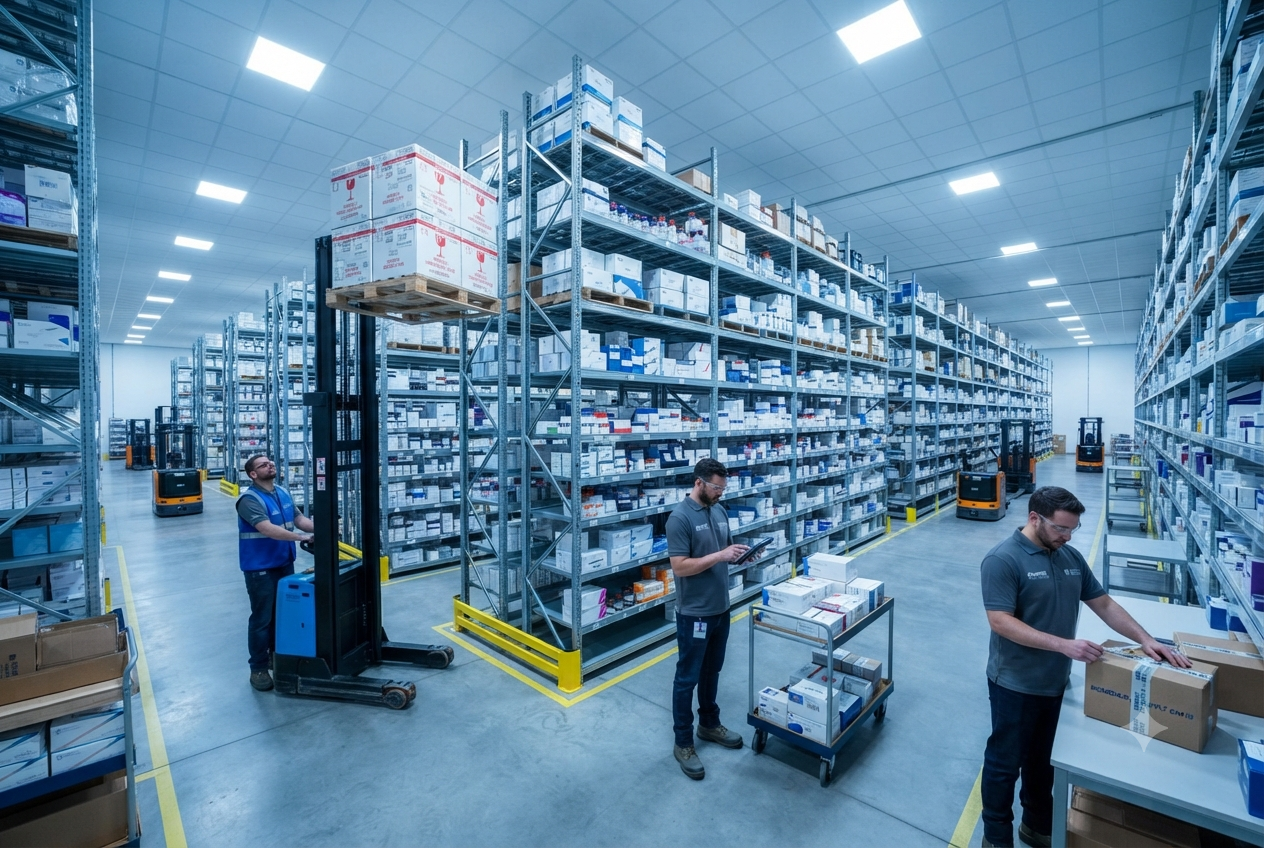
Merck and Company announced an approximately 11.3 billion dollar acquisition of Bio-Techne, a move that will fundamentally reshape distribution relationships and supply chain dynamics across the global life science tools sector. This massive consolidation brings together two industry giants, altering how research reagents, analytical instruments, and specialized consumables flow from manufacturing facilities to end-user laboratories.
Strategic Drivers Behind the Acquisition
Scale expansion allows the combined entity to streamline product portfolios, uniting Merck's massive global logistics footprint with Bio-Techne's specialized protein signaling and diagnostic reagent capabilities.
Direct-to-customer channel optimization reduces reliance on third-party distributors, enabling tighter inventory control and faster delivery timelines for critical research materials.
Portfolio cross-selling opportunities empower sales teams to bundle consumables, assay kits, and advanced instrumentation under a unified commercial agreement.
Supply Chain and Distribution Network Impacts
The integration of these two supply chains introduces significant operational shifts for global laboratory buyers and regional channel partners. Third-party distributors face heightened competitive pressure as the merged enterprise asserts greater control over proprietary distribution channels and exclusive product lines.
Regional dealers must reassess their supplier agreements and identify niche portfolios that larger consolidated players overlook. At the same time, logistics providers managing cold-chain storage and high-value biomedical shipments must adapt to new volume thresholds and centralized fulfillment hubs.
Procurement Challenges for Life Science Buyers
Procurement managers within pharmaceutical companies, academic institutions, and contract research organizations encounter a rapidly evolving vendor landscape following the buyout. Vendor consolidation often reduces competitive bidding options for specialized reagents and immunoassay platforms, potentially impacting contract pricing flexibility.
Securing long-term supply continuity requires proactive contract reviews to protect against sudden SKU rationalization or discontinuation of legacy product lines.
Diversifying alternative sourcing channels prevents over-reliance on a single mega-vendor for essential assay components and cellular analysis tools.
Monitoring lead-time fluctuations during the multi-year integration phase helps laboratories avoid unexpected project delays caused by warehouse consolidations.
What Procurement Teams Need to Know Now
Navigating this mega-merger requires procurement professionals to closely evaluate their current supplier dependencies and inventory buffer strategies. Staying informed on channel adjustments allows purchasing departments to secure favorable terms before market consolidation fully takes effect. Ready to source Purified Terephthalic Acid from verified global suppliers? Explore competitive offers on our platform today.