What Is Methanol and Why It Matters
Methanol (CH₃OH) is the simplest alcohol and a versatile feedstock in the chemical industry. Its high hydrogen content, low viscosity, and compatibility with existing infrastructure make it a preferred solvent, fuel, and platform chemical. As global demand for cleaner fuels and specialty chemicals rises, methanol’s strategic importance has surged.
Primary Applications
1. Formaldehyde Production
Formaldehyde, the base for resins, plastics, and textiles, is produced by oxidizing methanol. This route dominates the methanol value chain, accounting for roughly 25–30% of global consumption.
2. Acetic Acid Synthesis
Acetic acid, essential for vinyl acetate monomer and acetate esters, is manufactured via methanol carbonylation. This process is a major driver of methanol demand in the United States and Europe.
3. MTBE and Fuel Additives
Methanol is blended into gasoline as methyl tert‑butyl ether (MTBE) to raise octane and reduce emissions. While MTBE use has declined in some regions due to water contamination concerns, it remains significant in markets seeking higher fuel performance.
4. Methanol‑to‑Olefins (MTO)
MTO plants convert methanol into light olefins (ethylene, propylene) via a zeolite catalyst. These olefins feed the petrochemical industry, enabling the production of plastics, detergents, and synthetic rubber.
5. Direct Fuel Blending and Marine Fuel
With tightening emissions regulations, methanol is increasingly blended directly into diesel or used as a standalone marine fuel. The IMO 2020 sulfur limit has accelerated this shift, positioning methanol as a low‑carbon alternative.
Global Markets and Key Producers
China is the world’s largest methanol consumer, driven by its booming petrochemical and construction sectors. Iran, on the other hand, produces approximately 9–10 million tonnes annually, largely for export. Production hubs in Russia, the United States, and the Middle East provide a diversified supply base.
Supply Disruptions: The 2026 Hormuz Scenario
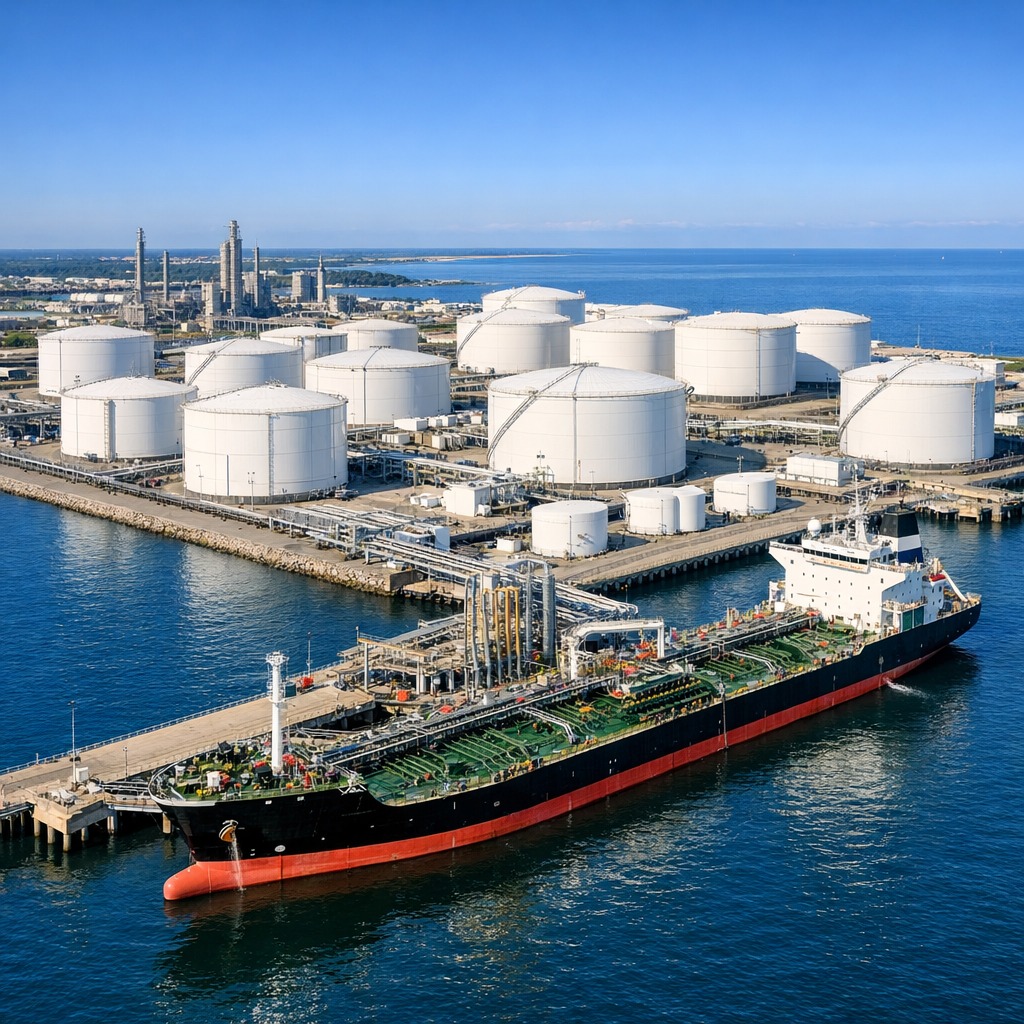
The 2026 Hormuz shipping lane disruption underscored methanol’s role as a critical link in downstream chemical chains. When tanker routes were blocked, supply chains for formaldehyde, MTBE, and MTO plants experienced sharp bottlenecks, pushing prices upward and highlighting the need for resilient logistics.
Price Drivers You Should Know
- Feedstock Costs: Natural gas prices directly influence methanol production costs, as methane is the primary feedstock.
- Energy Prices: Electricity and steam costs affect plant operating expenses, especially for MTO and high‑purity methanol processes.
- Demand Fluctuations: Seasonal spikes in fuel demand or rapid growth in specialty chemicals can tighten supply and raise prices.
- Geopolitical Risks: Sanctions, regional conflicts, or shipping lane disruptions can curtail export volumes.
- Regulatory Changes: Stricter emissions standards or incentives for low‑carbon fuels can shift demand toward methanol as a cleaner alternative.
Why Prices Matter to You
Whether you’re a petrochemical manufacturer, a fuel distributor, or a downstream product producer, methanol price volatility can ripple through your cost structure:
- Cost of Goods Sold: Higher methanol costs translate to increased raw material expenses.
- Competitive Positioning: Firms that secure long‑term contracts can stabilize pricing and maintain margins.
- Supply Chain Resilience: Diversifying suppliers and adopting flexible blending strategies mitigate exposure to regional disruptions.
- Regulatory Compliance: Investing in methanol‑based solutions can help meet future emissions targets while benefiting from potential tax incentives.
Strategic Recommendations
1. Lock in Long‑Term Contracts
Secure fixed‑price agreements with multiple suppliers to hedge against short‑term price spikes.
2. Invest in MTO Technology
Consider vertical integration into MTO plants to capture value from methanol conversion to olefins.
3. Explore Methanol as a Fuel
Evaluate the feasibility of incorporating methanol blends into your fleet to reduce emissions and potentially lower fuel costs.
4. Monitor Geopolitical Developments
Stay abreast of regional tensions or policy shifts that could impact methanol supply chains.
Conclusion
Methanol’s diverse applications—from formaldehyde to marine fuel—make it a cornerstone of modern industry. Price dynamics driven by feedstock costs, energy markets, and geopolitical events can significantly influence your bottom line. By understanding these drivers and proactively managing supply risk, businesses can turn methanol’s volatility into a strategic advantage.