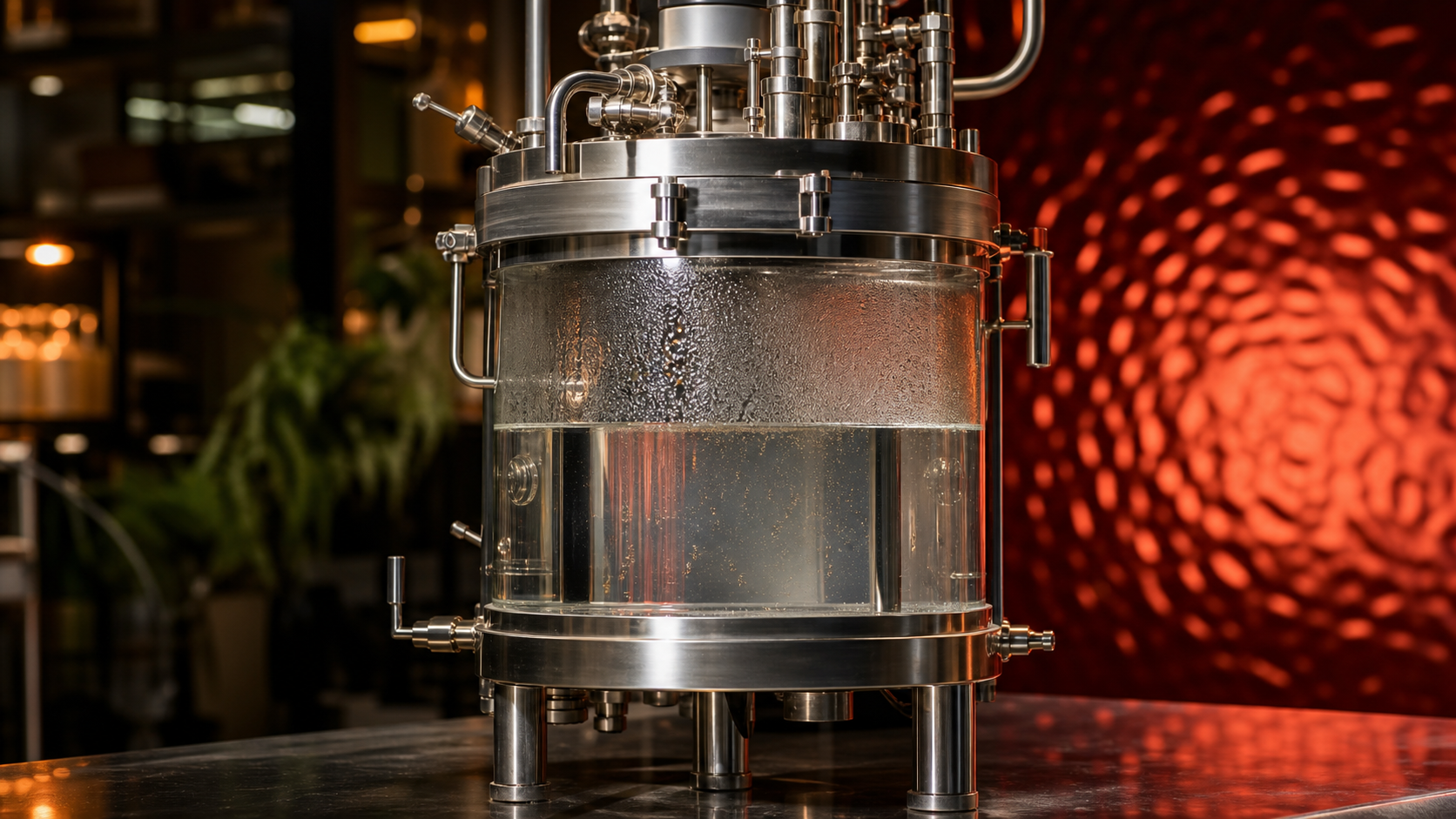
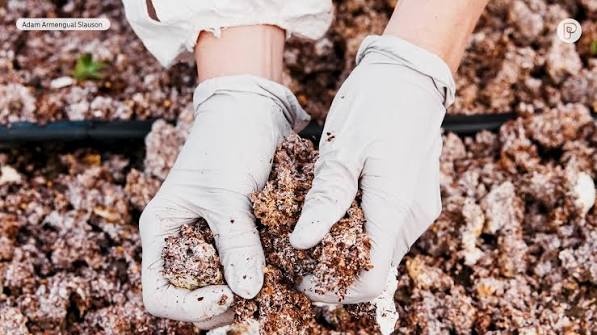
PFAS have earned the nickname “forever chemicals” because many of these fluorinated compounds resist conventional environmental breakdown. Researchers are now investigating whether bacteria and fungi could provide a biological route for PFAS treatment, potentially opening a new direction for contaminated water and waste management.
The concept looks promising because microorganisms already transform complex chemicals through natural metabolic processes. However, the C&EN feature highlights a critical obstacle: microbes that break down PFAS can also generate toxic byproducts. For chemical traders, treatment companies and procurement teams, this creates a market question that extends beyond whether a microbe can destroy PFAS. The real issue is whether biological systems can achieve degradation without replacing one persistent hazard with another.
PFAS represent a particularly difficult treatment problem because their chemical structures can make them highly resistant to environmental degradation. Conventional treatment approaches often focus on removing PFAS from water rather than completely destroying the molecules.
Microbial treatment approaches aim at a different outcome. Instead of simply transferring PFAS from water into another waste stream, researchers are examining whether selected microorganisms can chemically transform or break down these compounds.
This distinction matters commercially. A treatment technology that genuinely reduces the persistence of PFAS could eventually influence how industrial wastewater operators manage contaminated streams, residuals and treatment costs.
Biological systems could also attract attention because microorganisms can perform complex chemical transformations under relatively controlled conditions. The challenge lies in identifying organisms and operating conditions that produce useful degradation pathways without creating additional toxic compounds.
How Bacteria and Fungi Could Attack Persistent PFAS
Research into microbial PFAS degradation focuses on the ability of bacteria and fungi to interact with highly stable fluorinated molecules. These organisms use enzymes and metabolic pathways to transform compounds as part of their biological activity.
The potential mechanism is attractive because biological systems can perform reactions that may prove difficult to reproduce through conventional treatment alone. Researchers therefore see microbial engineering as a possible way to improve how microorganisms interact with PFAS.
The process could involve selecting naturally capable organisms or engineering microbes with specific traits. Researchers may then seek to increase degradation efficiency while reducing the formation of undesirable intermediates.
Several factors will determine whether the approach can move beyond laboratory research:
Microbial performance: Organisms must consistently interact with targeted PFAS compounds under practical treatment conditions.
Chemical selectivity: A treatment system needs to avoid simply converting one problematic molecule into another.
Process stability: Industrial operators require predictable performance across changing wastewater conditions.
Byproduct control: Any intermediate compounds generated during degradation must receive close attention.
For procurement teams, these requirements suggest that biological PFAS treatment should eventually be evaluated as a complete process rather than as a single microbial ingredient or technology.
The Toxic Byproduct Problem Changes the Equation
The most important challenge in microbial PFAS treatment may not be getting microorganisms to transform PFAS. It may be preventing the resulting products from creating a new environmental problem.
PFAS degradation can involve multiple chemical steps. If microorganisms stop partway through the process, intermediate compounds could remain in the treatment system and potentially carry their own toxicity concerns.
This creates a fundamental engineering requirement. Researchers need to understand the full degradation pathway rather than measuring success only by the disappearance of the original PFAS compound.
For industrial buyers, the distinction is significant. A treatment technology should ultimately demonstrate what happens to the original chemical, what intermediate compounds appear and whether the final products present a manageable environmental profile.
Why Microbial Engineering Could Become Important
Researchers can potentially improve microorganisms by identifying the biological characteristics that support PFAS transformation. Engineering could then focus on strengthening useful pathways while limiting reactions that generate undesirable products.
This approach moves PFAS treatment toward a more controlled form of biotechnology. Instead of relying only on naturally occurring microbial activity, researchers could potentially design systems around specific chemical targets and treatment objectives.
The commercial opportunity depends on whether researchers can translate that biological capability into a reliable industrial process. Laboratory success alone does not guarantee that a system will operate effectively when exposed to complex wastewater containing multiple contaminants, fluctuating concentrations and different environmental conditions.
A commercially viable microbial treatment platform would likely need to demonstrate:
Consistent PFAS reduction across relevant compounds.
Controlled production of degradation intermediates.
Stable performance under realistic wastewater conditions.
Practical operating requirements for treatment facilities.
A manageable downstream process for any remaining compounds.
These factors will influence how quickly biological PFAS treatment could attract industrial adoption.
What This Means for Water Treatment Supply Chains
The development of microbial PFAS treatment could eventually affect demand across several areas of the water treatment chemicals market. Treatment operators may require supporting chemicals, filtration media and polishing technologies even if biological degradation becomes part of the primary treatment stage.
This could create a layered treatment model rather than a direct replacement for existing technologies. Biological treatment might handle degradation while adsorption, filtration or other processes manage residual compounds and byproducts.
For chemical traders, that possibility creates several areas to monitor:
Demand for PFAS treatment chemicals and filtration media could evolve alongside biological technologies.
Treatment plants may seek complementary materials capable of removing residual contaminants after microbial processing.
Specialized wastewater projects could require new combinations of biological and chemical treatment stages.
Procurement teams may place greater emphasis on documented treatment performance and contaminant-specific compatibility.
The commercial impact therefore extends beyond microorganisms themselves. New treatment pathways can influence the broader ecosystem of chemicals, media, equipment and services required to operate water treatment systems.
Procurement Priorities for Emerging PFAS Treatment Technologies
Buyers evaluating new PFAS treatment technologies will need to look beyond headline removal percentages. The more important question is whether the process manages the complete chemical pathway.
Procurement teams should pay particular attention to:
Target compound coverage. PFAS refers to a broad family of compounds, so performance against one compound does not automatically demonstrate performance across the wider group.
Byproduct monitoring. Suppliers should provide clear information about degradation intermediates and how the process handles them.
Process compatibility. A biological system must fit into the facility's existing treatment architecture without creating unnecessary operational complexity.
Treatment consistency. Industrial buyers need repeatable performance rather than isolated laboratory results.
Downstream treatment needs. Any remaining PFAS or degradation products may require additional polishing or removal stages.
These criteria can help buyers distinguish between an interesting biological concept and a treatment platform with practical industrial potential.
The Role of Activated Carbon in a Changing PFAS Market
Even as biological approaches develop, established treatment materials can remain relevant. Activated carbon is already associated with contaminant adsorption and could serve as a complementary treatment material where residual PFAS or other compounds remain after biological processing.
This creates an important commercial possibility. Biological degradation and adsorption do not necessarily need to compete as opposing technologies. A future treatment train could combine different approaches according to the contaminant profile and required treatment outcome.
For chemical traders, this means emerging PFAS technologies should be viewed through the wider treatment supply chain. A new biological process could create demand for complementary treatment materials rather than eliminate established product categories.
How the Market Could Develop Beyond the Laboratory
The path from microbial discovery to commercial treatment will depend on more than degradation capability. Researchers must establish whether engineered bacteria and fungi can operate safely, consistently and economically in realistic treatment environments.
Scale will become a major consideration. Conditions inside a controlled laboratory system can differ substantially from industrial wastewater facilities, where temperature, pH, competing chemicals and contaminant concentrations can change over time.
The technology will also need a strong monitoring framework. Operators must be able to determine whether PFAS destruction has occurred completely enough to meet treatment objectives and whether toxic byproducts are accumulating.
If researchers solve these challenges, microbial treatment could become an important addition to the PFAS remediation toolkit. If byproduct formation remains difficult to control, biological systems may instead become a specialized step within broader multi-stage treatment processes.
What Buyers Should Do Now
PFAS treatment remains a developing area, but procurement teams can prepare by tracking both biological innovation and established treatment materials. Buyers should evaluate technologies based on complete contaminant pathways rather than focusing only on the removal of the original PFAS compound.
The microbial approach is particularly significant because it changes the central question from “How can PFAS be removed?” to “How can PFAS be transformed without creating another toxic problem?” That distinction will shape future research, treatment design and sourcing decisions.
For chemical traders and suppliers, the opportunity lies in understanding how emerging biological systems could interact with existing water treatment products. Suppliers that can support integrated treatment strategies may be better positioned as PFAS remediation technologies mature.
For industrial buyers, the priority should remain practical performance, byproduct control and compatibility with existing treatment infrastructure. As researchers work to engineer microbes that can overcome their own toxic byproduct challenge, the market will watch closely for evidence that biological PFAS treatment can move from promising research into reliable industrial use.
Ready to source Activated Carbon from verified global suppliers? Explore competitive offers on our platform today.