How Asian Crackers Respond to Feedstock Disruption
Steam crackers require reliable feedstock supplies to operate efficiently.
When naphtha deliveries become less predictable, operators may adjust production schedules, optimise inventory or evaluate alternative feedstock options where technically possible.
Responses commonly include:
Careful inventory management.
Greater attention to feedstock procurement timing.
Increased use of available alternative feedstocks.
Coordination with downstream polymer production.
These operational adjustments help reduce disruption but may not fully offset prolonged supply constraints.
Long-Term Feedstock Diversification Is Gaining Momentum
The discussions taking place at the NextGen Chemicals Summit in India reflect a broader industry shift.
Rather than viewing recent events as temporary, many companies are evaluating long-term strategies to strengthen supply resilience.
Areas receiving increased attention include:
Diversifying feedstock origins.
Expanding regional storage capacity.
Developing more flexible procurement strategies.
Investing in integrated supply chain planning.
Strengthening partnerships with suppliers across multiple regions.
These initiatives aim to reduce dependence on any single export corridor over the long term.
Procurement Strategies for an Evolving Market
Market conditions highlight the importance of balancing cost with supply security.
Procurement professionals should consider:
Maintaining multiple qualified feedstock suppliers.
Monitoring shipping conditions alongside product pricing.
Reviewing contractual flexibility regarding origin.
Tracking inventory across the entire supply chain.
Evaluating long-term sourcing strategies instead of relying solely on spot purchases.
These measures improve resilience during periods of market disruption.
What Buyers Should Watch Through 2027
Asia's dependence on Middle East naphtha and Gulf polymer exports demonstrates how closely connected today's petrochemical supply chains have become. The combination of feedstock disruption and constrained polymer exports has created challenges that extend beyond individual products and affect the broader regional chemical industry.
As discussions around long-term sourcing continue across Asia, procurement professionals should monitor both feedstock availability and downstream product flows. Companies that diversify supply sources, strengthen supplier relationships and incorporate logistics risk into procurement planning will be better positioned to navigate future market disruptions.
Ready to source naphtha and petrochemical products from verified global suppliers? Explore competitive offers on our platform today.
The Asian petrochemical industry depends on one of the world's most interconnected feedstock supply chains. According to ICIS data confirmed in IOM3's March 2026 reporting, around 80% of Asia's seaborne naphtha import demand in 2025 was supplied by the Middle East. At the same time, Harrison Jacoby, Director of PE at ICIS, confirmed that approximately 84% of Middle East polyethylene capacity relies on the Strait of Hormuz for waterborne exports.
Viewed together, these figures explain why the recent regional disruption has affected Asian chemical markets so deeply. Feedstock supply into Asia weakened while a large share of finished polymer exports from the Gulf also faced logistical constraints, creating pressure at multiple points across the petrochemical value chain.
Why Naphtha Matters to Asia's Petrochemical Industry
Naphtha is one of the primary feedstocks used by steam crackers throughout Asia to produce ethylene and propylene.
These basic petrochemicals form the foundation for numerous downstream products, including polyethylene, polypropylene, styrene derivatives and many industrial chemicals.
Because many Asian economies import significant volumes of naphtha, the reliability of overseas supply directly influences manufacturing activity across the region.
Understanding Asia's Dependence on Middle East Supply
An import dependence of approximately 80% means that Middle East producers play a critical role in supplying Asia's petrochemical industry.
This supply relationship developed because the Gulf region combines large refining capacity, competitive production economics and established export infrastructure.
For Asian buyers, this has historically provided reliable access to feedstock at internationally competitive prices.
However, high concentration also creates vulnerability when regional disruptions occur.
The Second Pressure: Polymer Export Constraints
The supply challenge extends beyond feedstocks alone.
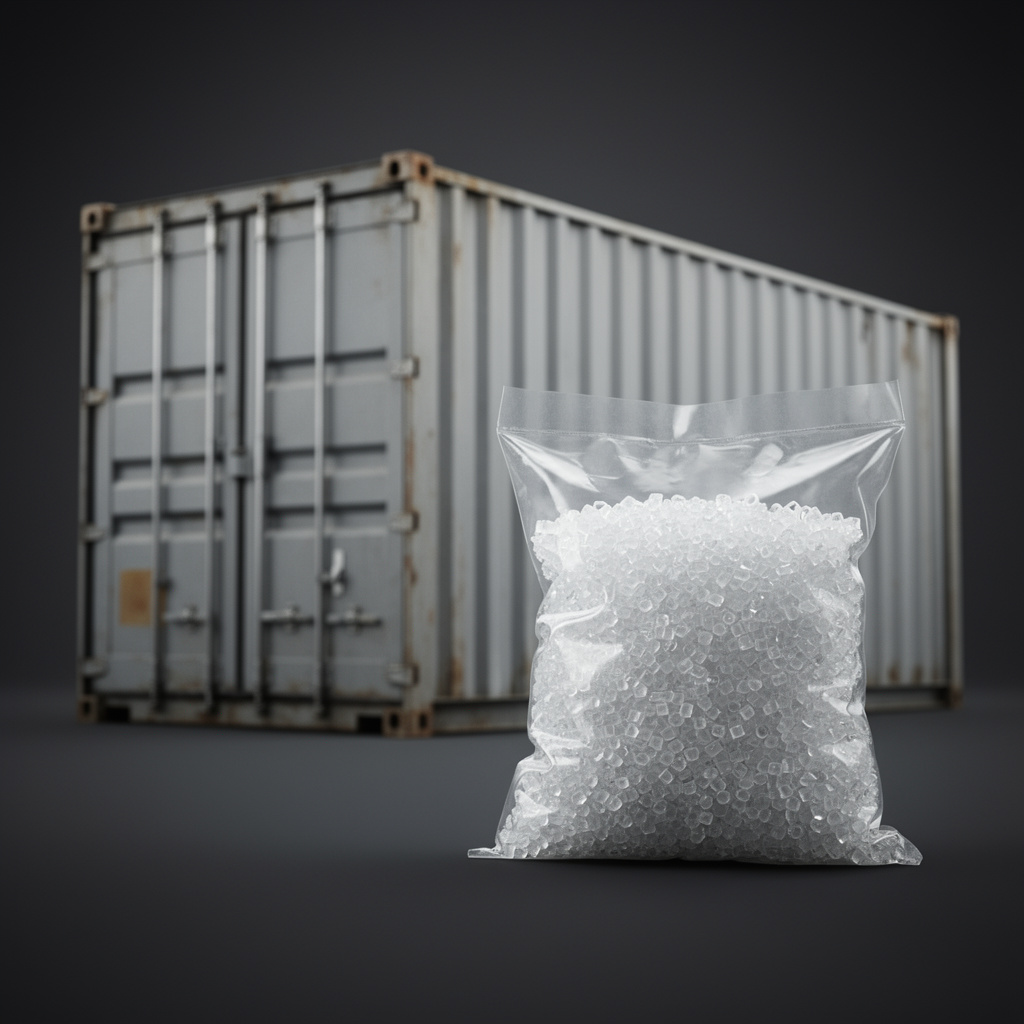
According to ICIS, around 84% of Middle East polyethylene production capacity depends on the Strait of Hormuz for waterborne exports.
This creates a second layer of market pressure.
The sequence develops as follows:
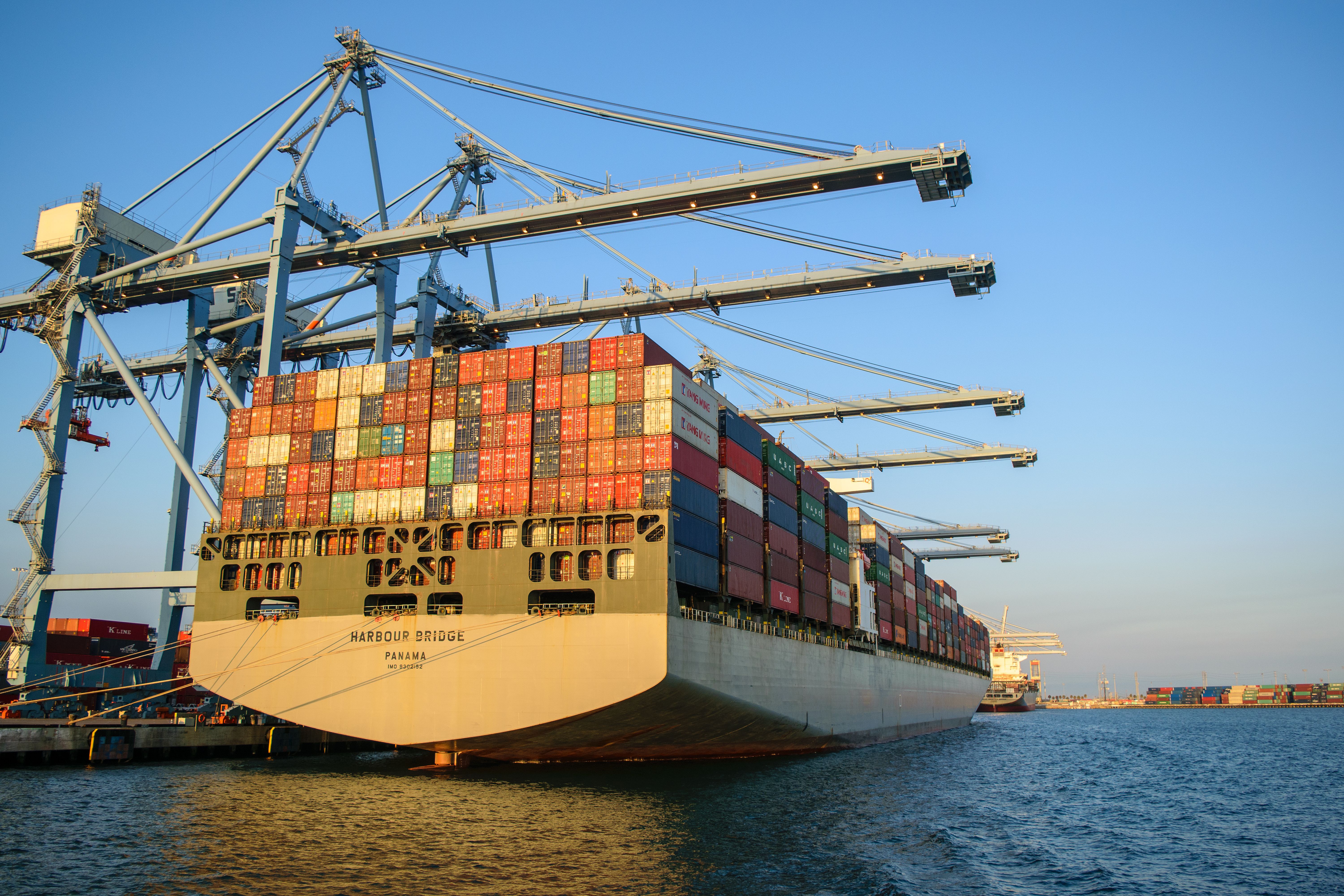
Naphtha deliveries into Asia become more difficult.
Asian steam crackers face tighter feedstock availability.
Middle East polymer exports encounter logistics constraints.
Regional buyers experience reduced access to both raw materials and finished products.
This combination explains why market disruption has been more significant than a conventional shipping delay.
Why This Matters for Procurement Professionals
Procurement teams often monitor feedstock markets and finished polymer markets separately.
The current situation demonstrates that both markets can be affected simultaneously when they depend on the same regional supply chain.
Key procurement considerations include:
Feedstock availability for domestic production.
Imported polymer supply.
Shipping reliability.
Regional inventory levels.
Alternative sourcing opportunities.
Understanding these interconnected risks supports more resilient purchasing decisions.