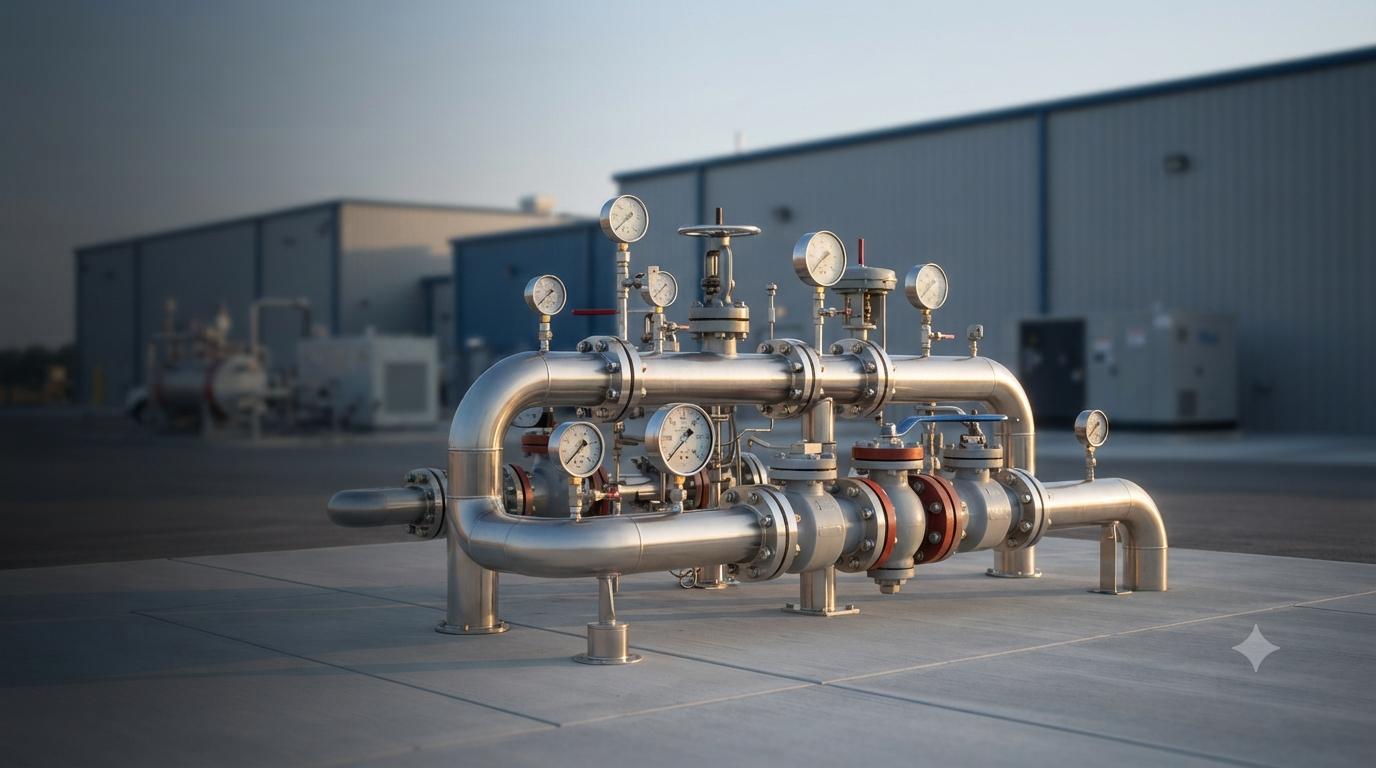
The U.S. Energy Information Administration (EIA) forecasts Henry Hub natural gas prices averaging close to $3.70/MMBtu in 2026, offering manufacturers a relatively stable energy outlook compared with the continued volatility seen in oil-linked fuel markets. For food manufacturers and ingredient producers, steadier natural gas prices could provide welcome cost stability at a time when transportation, packaging and agricultural inputs continue to face pricing uncertainty.
Energy remains one of the most significant operating expenses in food manufacturing. From steam generation and process heating to drying, refrigeration and chemical production, natural gas supports countless industrial operations. Stable gas prices can therefore help businesses improve production planning and procurement forecasting.
Why Natural Gas Matters to Food Manufacturing
Natural gas is one of the primary energy sources used throughout the food and chemical industries. It provides reliable, high-efficiency heat for manufacturing processes while also serving as a feedstock for several important industrial chemicals.
Food manufacturers depend on natural gas for:
Steam generation used in food processing and sterilisation.
Drying operations for starches, milk powders and other food ingredients.
Baking, cooking and thermal processing across food production facilities.
Refrigeration systems and utility operations supporting continuous manufacturing.
Unlike transportation fuels, which respond quickly to changes in crude oil markets, natural gas often follows its own supply and demand dynamics.
Why Stable Henry Hub Prices Matter
Henry Hub serves as the benchmark for natural gas pricing in the United States and influences energy market expectations globally. A forecast average of around $3.70/MMBtu suggests a relatively balanced market compared with the larger price swings experienced during recent years.
Greater price stability offers several potential benefits:
More predictable energy budgeting for manufacturing facilities.
Improved cost forecasting for long-term production planning.
Reduced exposure to sudden increases in utility expenses.
Better visibility when negotiating supply agreements and manufacturing contracts.
Although regional energy prices vary, stable benchmark pricing provides a useful reference point for procurement professionals evaluating future operating costs.
The Link Between Natural Gas and Food Ingredients
Natural gas influences food ingredient production in ways that extend beyond factory energy consumption. Many industrial chemicals used throughout the food sector either require natural gas as a production feedstock or rely on gas-powered manufacturing processes.
Industries that could benefit from stable natural gas prices include:
Starch manufacturers producing corn and tapioca starches.
Fermentation facilities manufacturing citric acid, amino acids and food additives.
Dairy processors operating energy-intensive drying equipment.
Sugar processors requiring continuous thermal processing.
Steadier energy costs can help manufacturers manage operating expenses, even if raw material prices fluctuate due to agricultural or logistics factors.
Stability Can Be More Valuable Than Lower Prices
For procurement teams, consistent energy pricing often provides greater value than short periods of unusually low prices followed by sharp increases. Stable utility costs support more accurate budgeting, reduce uncertainty during contract negotiations and improve long-term production planning.
While natural gas is only one component of manufacturing costs, its widespread use across food processing means that sustained price stability can contribute to more predictable operating expenses throughout the supply chain.
How Stable Energy Prices Support Procurement Planning
Energy costs influence nearly every stage of food manufacturing, from processing raw materials to packaging finished products. When natural gas prices remain relatively stable, manufacturers gain greater confidence in production planning and long-term budgeting, even if other cost categories remain volatile.
Stable natural gas prices can also help offset pressure from rising transportation, packaging or agricultural input costs. While they cannot eliminate broader inflationary trends, they reduce one important source of uncertainty within the manufacturing process.
Which Industries Benefit Most from Stable Natural Gas Prices
Several food and chemical sectors rely heavily on natural gas because of their continuous processing requirements and high thermal energy demand.
Industries that could benefit include:
Starch manufacturers operating drying and milling equipment.
Dairy processors producing skimmed milk powder, whey powder and milk proteins.
Fermentation facilities manufacturing citric acid, amino acids and other food additives.
Vegetable oil refiners using heat-intensive extraction and refining processes.
Sugar processors operating evaporation and crystallisation systems.
For these industries, predictable utility costs can improve production efficiency and support more accurate cost forecasting.
What Procurement Teams Should Monitor
Although the EIA projects relatively stable Henry Hub prices, procurement professionals should continue monitoring broader energy market developments that could influence manufacturing costs.
Key indicators include:
Henry Hub natural gas benchmark prices.
Regional industrial natural gas supply and demand.
Electricity prices affecting manufacturing operations.
Crude oil prices influencing transportation and logistics costs.
Seasonal weather patterns that increase industrial or residential energy demand.
Government energy policies and infrastructure developments.
Following these indicators together provides a more complete understanding of future operating costs than monitoring any single energy market alone.
What Buyers Should Watch Next
The EIA's outlook for Henry Hub averaging close to $3.70/MMBtu in 2026 offers a comparatively stable energy backdrop for food manufacturers. While oil-linked fuels continue to experience greater price volatility, steadier natural gas markets could provide an important source of cost predictability for energy-intensive production facilities.
For procurement teams, stable natural gas prices should be viewed as one positive element within a broader sourcing strategy. Agricultural commodities, transportation, packaging materials and labour costs will continue influencing total production expenses, but a more predictable energy market can improve budgeting and support longer-term purchasing decisions.
Businesses that monitor natural gas alongside agricultural inputs, freight costs and chemical feedstocks will be better positioned to anticipate cost changes and strengthen procurement planning across the food manufacturing supply chain.