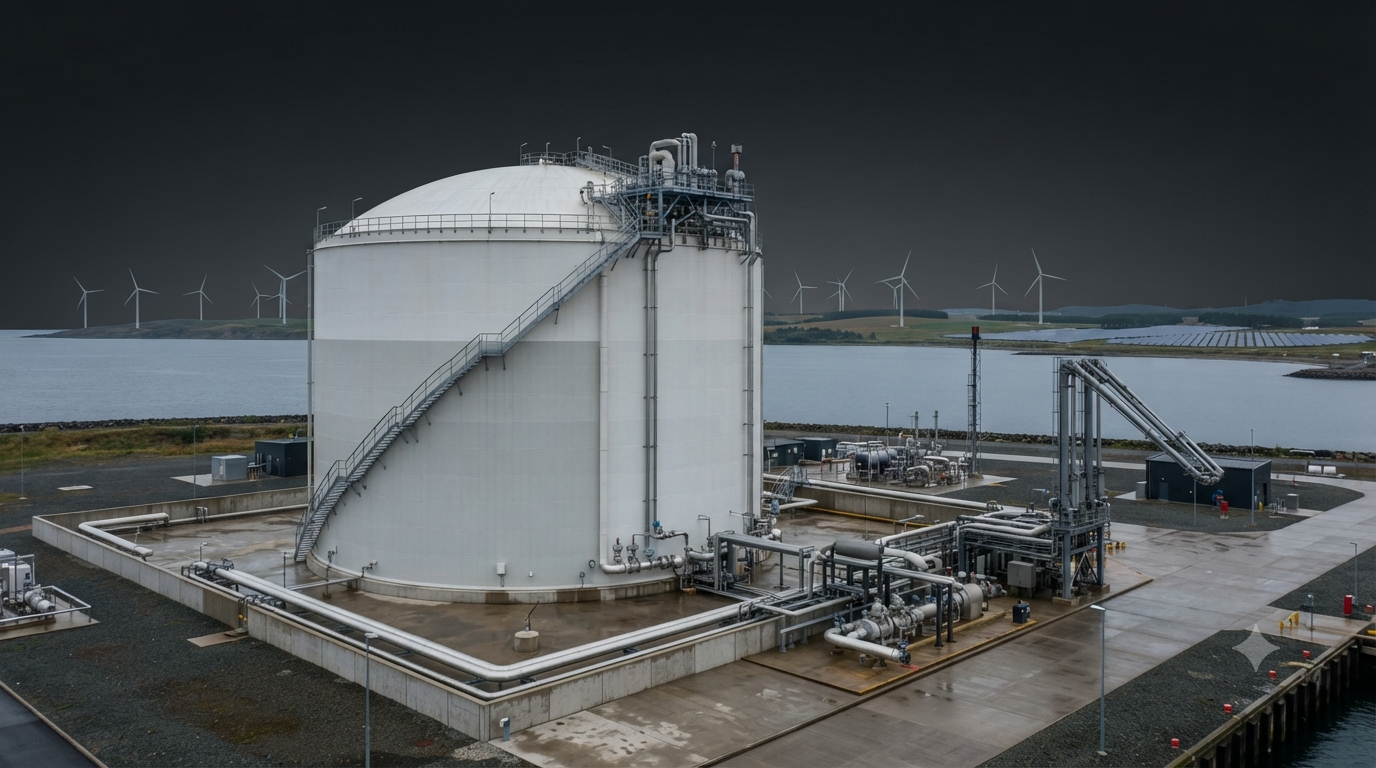
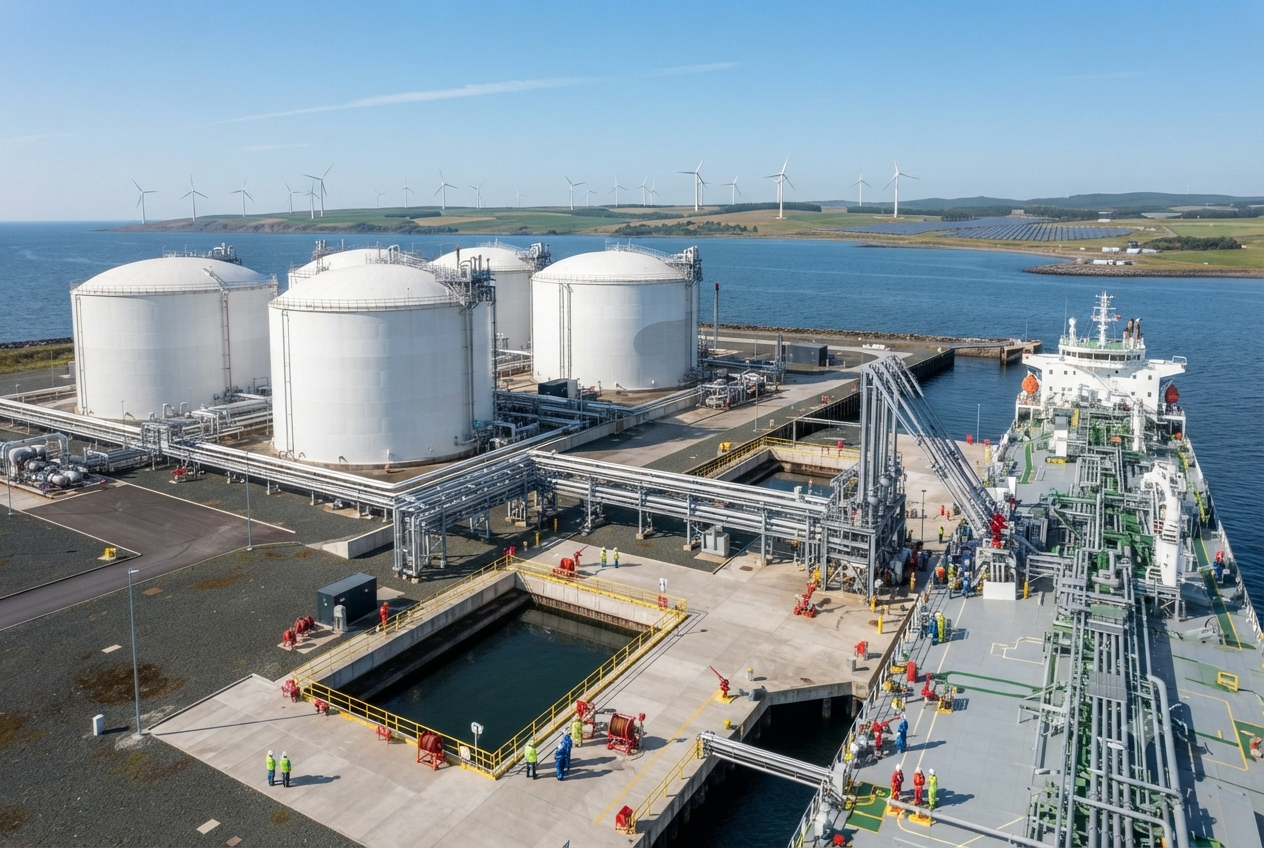
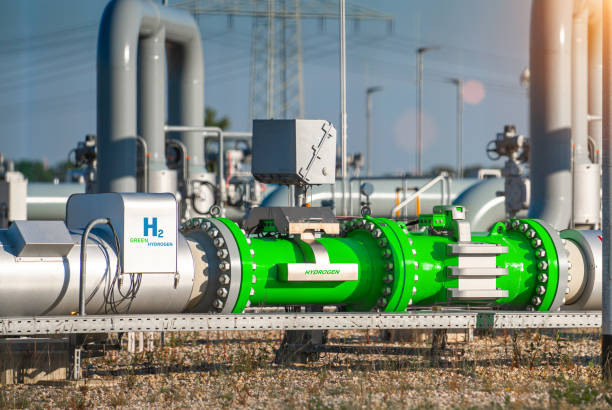
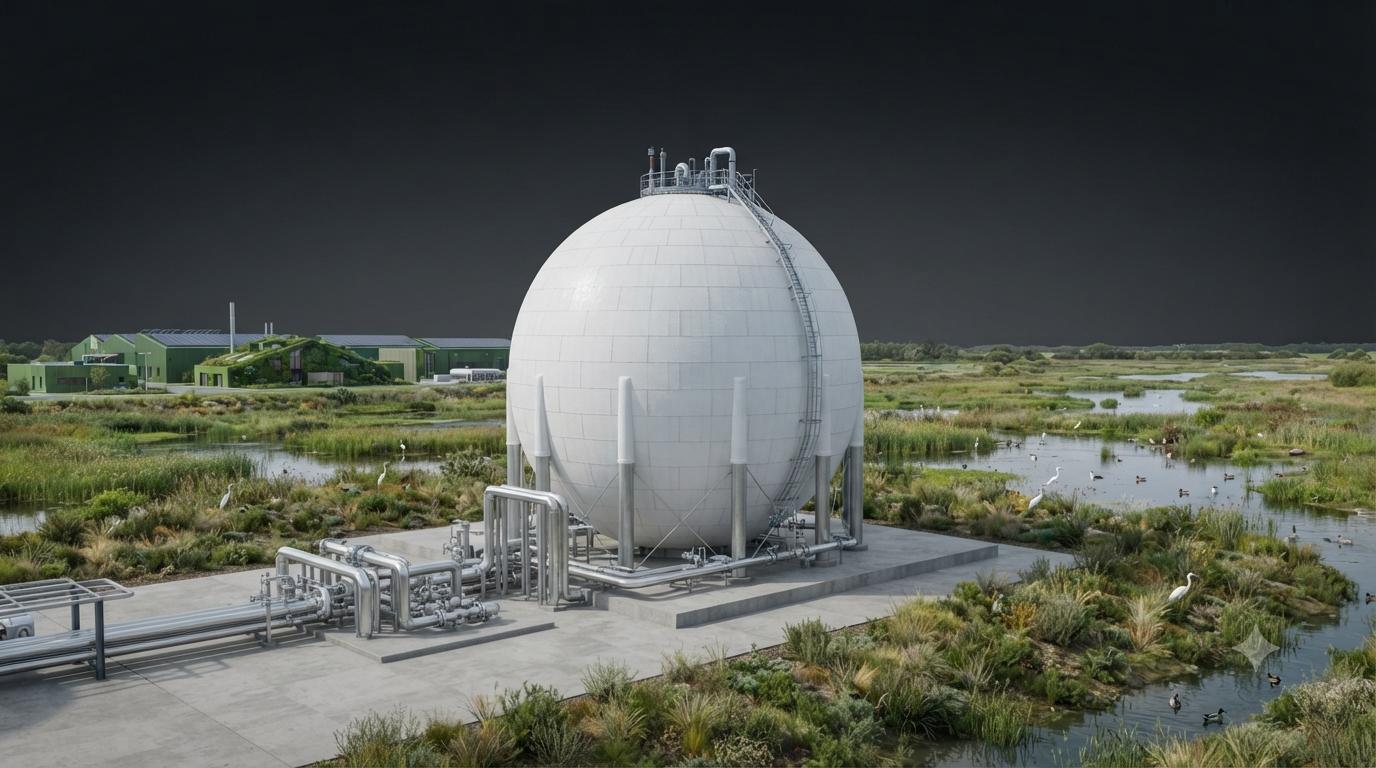
Europe's fertilizer market continues to search for reliable low carbon feedstocks, and NEOM's renewable ammonia project remains one of the most closely watched developments. Under the finalized agreement, Yara will sell ammonia that Air Products does not market as renewable hydrogen in Europe, creating a pathway for additional renewable ammonia volumes to reach fertilizer customers across the region.
For exporters, importers and procurement managers, this agreement represents more than a commercial partnership. It demonstrates how large renewable ammonia projects are beginning to reshape international fertilizer supply chains while supporting Europe's transition toward lower carbon agricultural inputs.
Why the NEOM Renewable Ammonia Project Matters
The NEOM project has attracted global attention because it combines renewable energy with large scale ammonia production intended for international markets.
Renewable ammonia offers an alternative to conventionally produced ammonia by relying on renewable electricity for hydrogen production. This approach helps reduce the carbon footprint associated with one of the world's most important industrial chemicals.
As governments and fertilizer producers pursue decarbonization goals, renewable ammonia is becoming an increasingly valuable commodity in global trade.
Understanding the Yara and Air Products Agreement
The finalized commercial structure gives each company a defined role in bringing renewable ammonia to market.
Under the agreement:
Air Products markets renewable hydrogen derived from the ammonia into selected European markets.
Yara sells ammonia volumes that are not marketed by Air Products as renewable hydrogen.
Yara earns a commission on those sales while expanding renewable ammonia availability for fertilizer customers.
The arrangement creates additional flexibility for directing product to different end markets depending on demand.
This structure allows renewable ammonia to serve both the growing hydrogen economy and traditional fertilizer applications.
Why European Fertilizer Buyers Are Watching Closely
Ammonia remains the primary building block for nitrogen fertilizers, making reliable supply essential for agricultural production.
Renewable ammonia could become increasingly attractive for fertilizer manufacturers seeking to reduce emissions without changing core production processes.
Potential advantages include:
Lower lifecycle emissions compared with conventional production routes.
Greater alignment with corporate sustainability targets.
Improved access to low carbon raw materials.
Stronger positioning as environmental regulations continue to evolve.
For procurement teams, renewable ammonia introduces another sourcing option alongside conventional global suppliers.
Trade Flow Implications for Exporters
The agreement highlights how future ammonia trade may become more specialized rather than relying on traditional commodity flows alone.
Instead of shipping identical products into every destination, producers may allocate renewable ammonia according to customer requirements, certification standards and regional demand.
This flexibility could influence:
Long term supply contracts.
Regional pricing strategies.
Storage and terminal infrastructure.
Import planning across European fertilizer hubs.
Renewable Ammonia and Europe's Decarbonization Strategy
European industries continue investing in lower emission production methods across multiple sectors, including fertilizers.
Renewable ammonia supports these efforts by providing a product that can fit into existing fertilizer manufacturing while helping companies reduce overall emissions.
As more renewable ammonia projects become operational, buyers may gain greater access to diversified supply sources with stronger sustainability credentials.
Procurement Considerations for Fertilizer Manufacturers
Procurement decisions increasingly balance cost, supply reliability and environmental performance.
Companies evaluating renewable ammonia suppliers should consider:
Production capacity and long term availability.
Certification supporting renewable production.
Logistics capabilities for European delivery.
Contract flexibility.
Supplier experience in international ammonia trade.
Strong supplier partnerships become particularly valuable as renewable ammonia volumes gradually increase in global markets.
Market Outlook for Renewable Ammonia
Renewable ammonia is expected to play a larger role in international fertilizer markets over the coming years. Commercial agreements such as the one involving Yara and Air Products illustrate how producers are creating practical pathways for bringing renewable products into established agricultural supply chains.
As production expands and infrastructure develops, renewable ammonia may become an increasingly important component of Europe's fertilizer supply strategy while supporting broader decarbonization objectives across the chemical industry.
What Buyers Should Watch Next
Procurement teams should monitor new renewable ammonia projects, infrastructure investments and commercial partnerships that improve product availability across Europe.
The finalized agreement demonstrates that flexible marketing arrangements can help connect large scale renewable production with fertilizer demand, even when multiple companies participate in the value chain. Businesses that understand these evolving trade structures will be better positioned to secure future supplies of lower carbon ammonia.
Ready to source Ammonia Anhydrous from verified global suppliers? Explore competitive offers on our platform today.