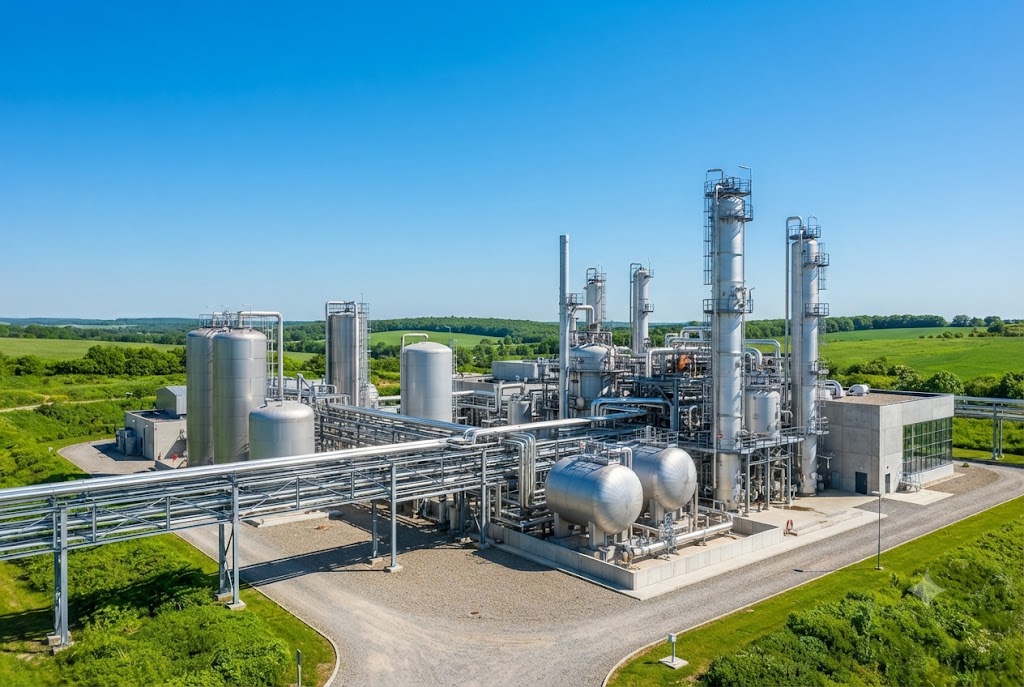
The global polyurethane supply chain faces a defining structural shift as capital requirements for new production facilities skyrocket. Industry estimates reported by C&EN Business Watch indicate that building new integrated MDI plants now costs an estimated $1.7 billion. This massive financial barrier fundamentally alters the competitive landscape for chemical manufacturers.
Procurement managers and industrial buyers must recognize the severe implications of this trend. High capital expenditures deter new market entrants and limit the expansion of global capacity. Buyers relying on methylene diphenyl diisocyanate for insulation, automotive and construction applications need to anticipate prolonged supply constraints.
Understanding this financial reality allows sourcing teams to adjust their procurement strategies proactively. Ignoring these macroeconomic signals exposes organizations to severe supply bottlenecks and pricing volatility. Strategic foresight is now the most valuable asset for industrial buyers navigating this complex market environment.
The $1.7 Billion Barrier to Entry in MDI Production
Constructing a world-scale integrated MDI facility requires unprecedented capital investment. The $1.7 billion estimate encompasses advanced reactor technology, stringent environmental controls and complex logistics infrastructure. These costs reflect the increasing technical complexity of modern chemical manufacturing.
Existing producers benefit significantly from this high barrier to entry. Incumbent companies can maintain pricing power without the immediate threat of disruptive new capacity. This dynamic shifts market leverage firmly toward established manufacturers.
A major cost driver is the specialized safety equipment required for phosgene handling. Regulatory agencies mandate extensive containment systems and continuous monitoring protocols. These mandatory safety features add hundreds of millions to the total project budget.
Furthermore, securing skilled engineering talent for these specialized projects drives up labor costs. The global competition for experienced chemical plant designers intensifies this financial pressure. These compounding factors make the $1.7 billion estimate a conservative baseline for future developments.
Buyers must recognize that supply growth will remain highly constrained. Major chemical firms will only commit to these massive projects if long-term demand guarantees exist. This cautious approach limits the availability of spot market volumes.
Impact on Global Polyurethane Supply Chains
The scarcity of new MDI capacity directly impacts downstream polyurethane manufacturers. Formulators of rigid and flexible foams rely on steady, predictable isocyanate deliveries. Any disruption in upstream production creates immediate ripple effects across the entire value chain.
The automotive sector relies heavily on flexible polyurethane foams for seating and interiors. Construction industries depend on rigid foams for superior thermal insulation in buildings. Delays in MDI delivery directly halt assembly lines and postpone major infrastructure projects.
Procurement teams should anticipate tighter allocation during peak demand seasons. Suppliers will prioritize long-term contract customers over spot market buyers. This prioritization forces uncontracted buyers into highly competitive and expensive purchasing environments.
Limited new capacity restricts overall market supply growth. This structural deficit supports elevated baseline pricing for MDI globally. Existing facilities operate at maximum utilization rates to maximize return on investment.
This high utilization leaves no buffer for unexpected maintenance outages or force majeure events. Lead times for bulk isocyanate deliveries will likely extend significantly. Buyers must adjust their inventory planning to accommodate these inevitable delays.
Strategic Sourcing Amidst Capital Constraints
Procurement professionals must adopt highly disciplined sourcing strategies to mitigate supply risks. Relying on short-term spot purchases exposes organizations to severe price volatility. Securing multi-year supply agreements provides essential stability in a constrained market.
Negotiating these contracts requires a deep understanding of current market dynamics. Buyers should leverage their forecasted volume commitments to secure favorable terms. Suppliers value predictable demand when justifying their own operational planning.
Establishing joint development agreements can also secure preferential access to new product grades. Suppliers prioritize partners who contribute to their innovation pipelines. This collaborative approach transforms a transactional relationship into a strategic alliance.
Diversifying the supplier base remains a critical risk management tactic. Sourcing from multiple geographic regions prevents total supply chain paralysis. Buyers should actively qualify alternative vendors before a crisis occurs.
Engaging regional distributor networks can also provide a vital buffer. Distributors often hold safety stock that independent manufacturers cannot access. However, buyers must weigh this reliability against the additional margin layers.
Regional Market Dynamics and Trade Flows
The high cost of new plants influences global trade patterns significantly. Regions with existing integrated infrastructure maintain a distinct competitive advantage. North America and parts of Asia benefit from established production hubs that avoid these new capital hurdles.
European buyers face unique challenges due to stringent regulatory environments. Adding new capacity in Europe requires navigating complex permitting processes and high energy costs. This reality increases the region's reliance on imported MDI volumes.
Import dependency exposes European markets to global freight volatility. Geopolitical tensions or shipping disruptions can instantly inflate landed costs. Procurement teams must factor these logistical risks into their total cost of ownership calculations.
Asian exporters may redirect volumes to capture higher regional premiums. This arbitrage activity further tightens supply in traditional importing markets. Buyers must monitor global shipping rates and vessel availability closely.
Sustainability and the Green Chemistry Angle
Massive capital investments must align with global sustainability mandates. New MDI facilities incorporate advanced energy recovery systems and lower emission technologies. These upgrades increase initial construction costs but reduce long-term operational expenses.
Buyers with strict environmental targets will benefit from these modern facilities. Producers can offer detailed carbon footprint data for their isocyanate products. This transparency simplifies Scope 3 emissions reporting for downstream customers.
The industry is also exploring bio-based alternatives to traditional MDI. While currently niche, these sustainable pathways may attract specialized investment. Procurement teams should monitor these emerging technologies for future sourcing opportunities.
Partnering with environmentally responsible suppliers mitigates long-term regulatory risks. Certifications and sustainability reports provide valuable insights into vendor performance. This alignment enhances brand reputation and stakeholder trust.
Sophisticated procurement teams utilize financial instruments to manage commodity price risk. While MDI itself lacks a direct futures market, buyers can hedge related feedstock costs. Crude oil and benzene derivatives often correlate with isocyanate pricing trends.
Collaborating with treasury departments is essential for executing these strategies. Financial hedging must align with physical procurement plans to avoid speculative exposure. Clear governance policies ensure that risk management activities support overall business objectives.
Suppliers also offer indexed pricing formulas tied to recognized chemical benchmarks. Understanding these formulas helps buyers anticipate cost fluctuations. Regular review of index components ensures that pricing remains fair and transparent.
Proactive financial modeling prevents sudden budget shortfalls during transition periods. Companies must view these compliance costs as essential investments in brand protection. This financial discipline separates market leaders from vulnerable competitors.
What Buyers Should Do Now
Procurement leaders must act decisively to fortify their supply chains against capacity constraints. Conduct a comprehensive audit of your current MDI spend and supplier dependencies. Identify critical materials where limited availability poses the greatest threat to production.
Initiate immediate discussions with key suppliers regarding their long-term capacity plans. Request transparency on their maintenance schedules and allocation policies. Secure flexible long-term agreements that balance cost protection with supply reliability.
Invest in advanced market intelligence tools to monitor global chemical capacity trends. Early warning signals allow procurement teams to adjust purchasing tactics proactively. Building organizational resilience is the only reliable defense against structural market tightness.
Ready to source Methylene Diphenyl Diisocyanate from verified global suppliers? Explore competitive offers on our platform today.