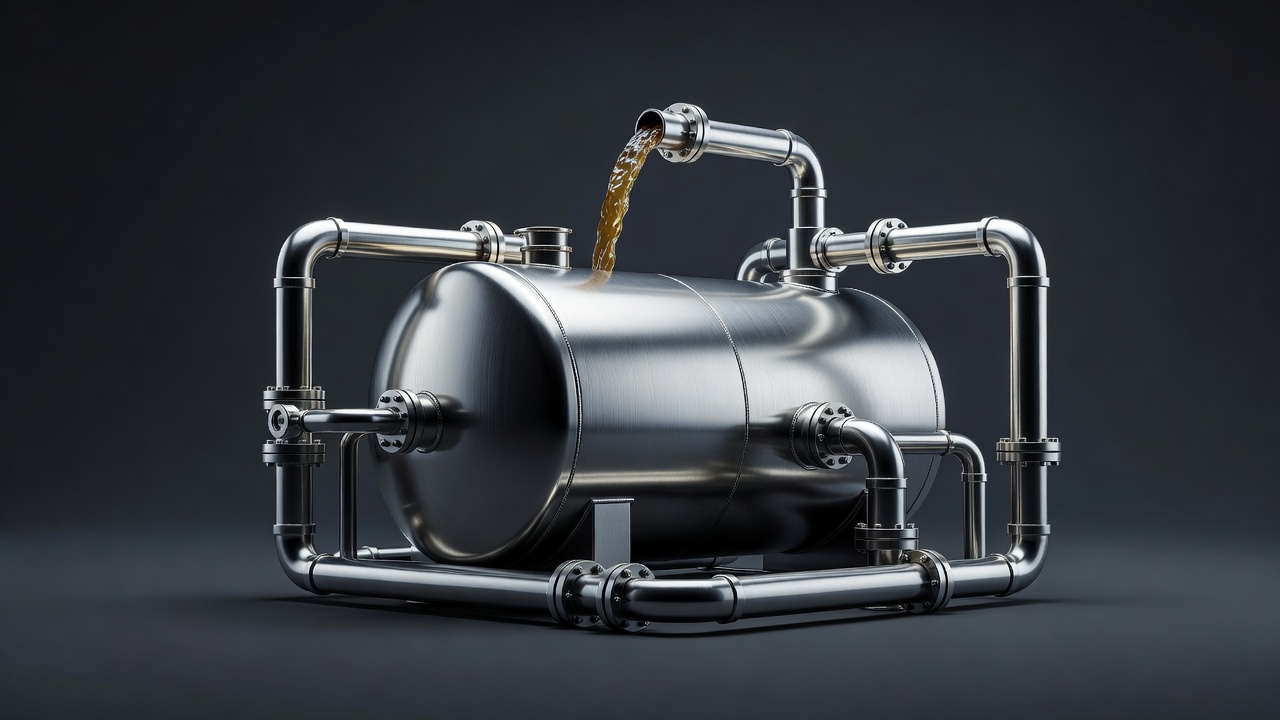
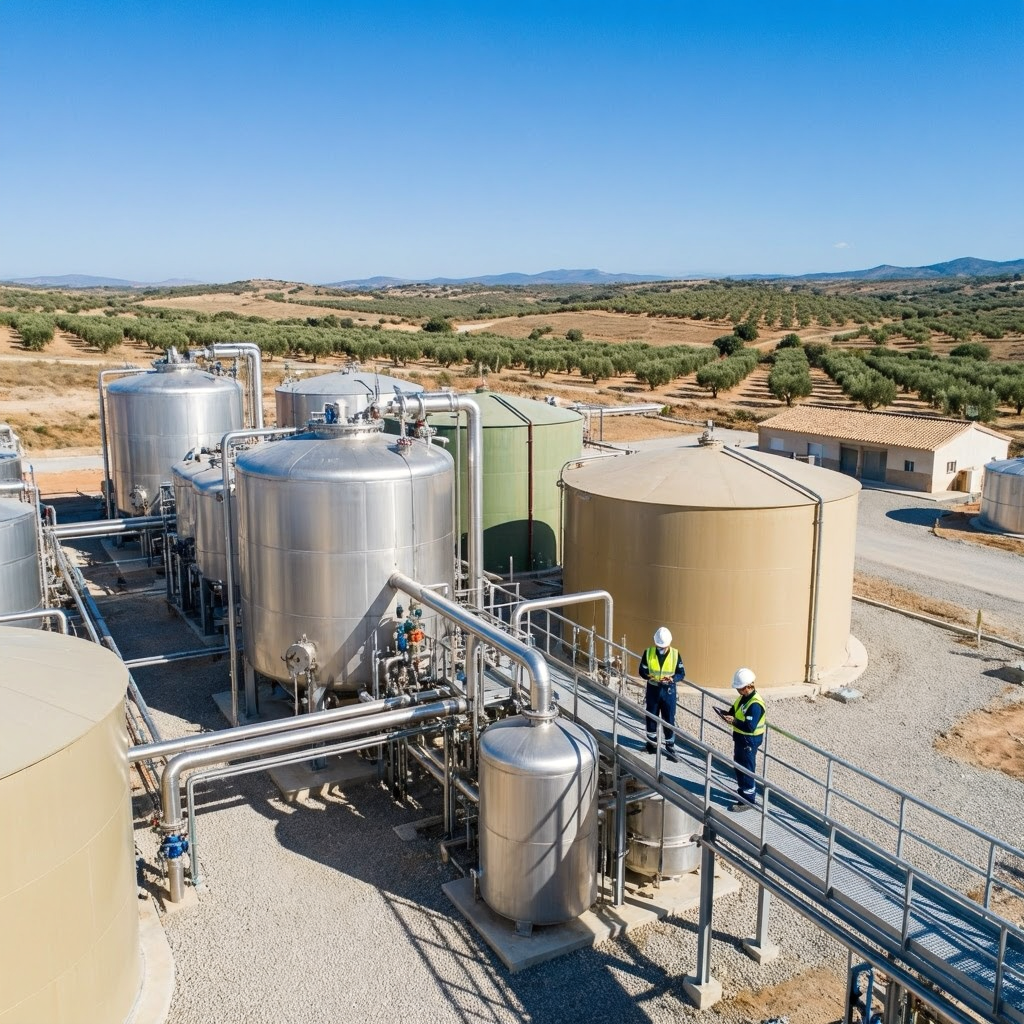
Europe continues expanding its renewable fuel production capacity, reinforcing the region's long term commitment to lower carbon energy and sustainable industrial feedstocks. Repsol's launch of its second 100% renewable fuels plant on the Iberian Peninsula marks another significant investment in this transition. Backed by an investment of €130 million, the facility can produce 200,000 metric tons of renewable diesel annually using biological feedstocks.
For procurement professionals, this development represents more than additional renewable fuel production. Every new commercial scale facility increases competition for renewable raw materials such as waste oils, vegetable oils and other biological feedstocks. As production capacity grows across Europe, feedstock sourcing strategies will become increasingly important for both fuel producers and the broader chemical industry.
Why Renewable Diesel Capacity Matters
Renewable diesel has become one of the fastest growing segments within the renewable fuels market.
Unlike conventional biodiesel, renewable diesel offers compatibility with existing fuel infrastructure while supporting lower carbon transportation objectives. As governments and industries continue pursuing emission reduction targets, demand for renewable diesel continues expanding.
Meeting that demand requires a reliable supply of biological feedstocks.
Every new renewable diesel facility therefore becomes an additional participant competing for limited renewable raw materials available across regional and international markets.
Repsol's New Facility Expands European Production
The newly launched renewable fuels plant strengthens Europe's existing renewable fuel manufacturing network.
With an annual production capacity of 200,000 metric tons, the facility increases the region's ability to supply renewable diesel while supporting broader decarbonization objectives.
More importantly, the investment demonstrates continued confidence in commercial renewable fuel production.
Large scale facilities require long term planning, significant financial investment and secure access to renewable feedstocks. Projects of this size indicate that producers expect sustained market demand well into the future.
Growing Capacity Increases Feedstock Competition
Every new renewable fuel facility requires substantial quantities of biological raw materials throughout the year.
Feedstocks commonly include:
Used cooking oils collected from commercial food operations.
Vegetable oils suitable for renewable fuel processing.
Animal fats recovered from food production industries.
Other renewable biological materials capable of supporting industrial fuel production.
As additional facilities begin commercial operation, competition for these resources naturally increases.
Higher demand may encourage greater feedstock collection, improved recycling infrastructure and expanded investment in renewable raw material supply chains.
At the same time, procurement teams should expect stronger competition among buyers seeking long term supply agreements.
What This Means for Regional Pricing
Expanding production capacity influences pricing across several parts of the renewable feedstock market.
Initially, stronger demand may place upward pressure on feedstock prices as multiple producers compete for available biological materials.
Over time, however, larger markets often encourage increased collection, improved logistics and greater investment throughout the supply chain.
As feedstock availability expands, pricing may gradually stabilize despite continued growth in renewable fuel production.
Procurement professionals should therefore monitor both supply expansion and demand growth rather than focusing exclusively on production capacity.
Implications for Chemical Industry Buyers
Renewable fuel producers are not the only companies competing for biological feedstocks.
Oleochemical manufacturers, specialty chemical producers and renewable material suppliers also rely on many of the same raw materials.
As renewable diesel capacity expands, procurement professionals across multiple industries should evaluate how increased competition may influence long term sourcing strategies.
Important considerations include:
Securing long term supply agreements with reliable feedstock providers.
Diversifying sourcing across multiple geographic regions.
Monitoring new renewable production projects entering commercial operation.
Evaluating alternative renewable feedstocks where commercially practical.
Organizations with diversified sourcing strategies will generally respond more effectively to changing market conditions.
Supply Chain Investment May Accelerate
Growing renewable diesel production often stimulates investment beyond the processing facility itself.
Feedstock collection systems, storage infrastructure, transportation networks and logistics services typically expand alongside manufacturing capacity.
These supporting investments strengthen the overall renewable feedstock ecosystem.
Improved infrastructure increases supply chain efficiency while helping suppliers recover larger volumes of renewable materials that might previously have remained unused.
For procurement teams, stronger infrastructure can improve long term supply reliability despite increasing market demand.
What Procurement Teams Should Watch Next
The launch of additional renewable diesel facilities signals continued expansion across the European renewable fuels sector.
Procurement professionals should monitor:
New renewable fuel projects scheduled for commercial operation.
Regional biological feedstock availability.
Long term pricing trends for waste oils and renewable raw materials.
Supplier investments in feedstock collection and processing capacity.
Policy developments supporting renewable fuel production across Europe.
Tracking these indicators provides valuable insight into future sourcing conditions before major market changes occur.
The Bottom Line for Renewable Feedstock Buyers
Repsol's newest renewable fuels facility reflects a broader trend shaping Europe's renewable economy. Commercial production capacity continues expanding, strengthening demand for biological feedstocks while encouraging further investment across renewable supply chains.
For procurement professionals, this growth creates both opportunities and challenges. Rising demand may increase competition for renewable raw materials, but expanding infrastructure and stronger commercial markets should also improve long term supply availability.
Companies that proactively strengthen supplier relationships and diversify sourcing strategies will be better positioned as Europe's renewable fuel industry continues growing.
Ready to source renewable feedstocks from verified global suppliers? Explore competitive offers on our platform today.