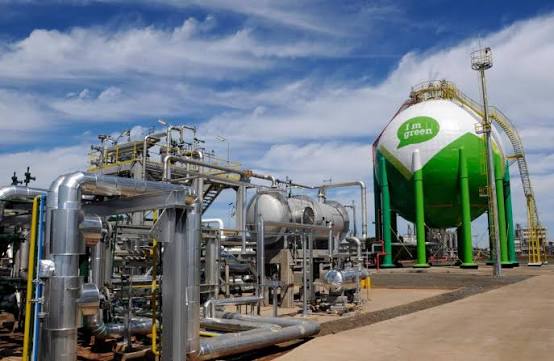
Novonor's multi-year effort to exit Braskem highlights how corporate debt restructuring can influence the future of a major petrochemical business. The process reflects broader financial and regulatory pressures affecting Novonor's wider portfolio as the conglomerate works through its restructuring requirements.
For chemical traders, procurement managers, importers and exporters, the implications extend beyond ownership headlines. Changes in shareholder structure can influence capital allocation, production investments, commercial strategy and relationships across the petrochemical supply chain.
Braskem's position in plastics and chemicals makes the situation particularly relevant to industrial buyers. Companies sourcing polymers and petrochemical inputs need to understand how prolonged ownership changes could affect supply continuity, investment priorities and regional trade flows.
Why Novonor's Braskem Exit Matters to Chemical Markets
Braskem operates across a broad petrochemical value chain, making its ownership structure relevant to chemical buyers well beyond Brazil. A prolonged effort to change ownership can create uncertainty around future investment decisions even when day-to-day production continues normally.
For procurement teams, the primary concern is continuity. Buyers need dependable access to materials, stable specifications and predictable delivery schedules regardless of changes taking place at the corporate level.
The exit process also illustrates how financial restructuring can influence industrial assets. When a parent company faces significant debt-related obligations, asset sales can become an important part of its strategy for meeting restructuring objectives and strengthening its financial position.
Brazilian Corporate Debt Restructuring Adds Pressure
Novonor's effort to reduce its exposure to Braskem sits within a wider restructuring process. Regulatory and financial requirements tied to Brazilian corporate debt restructuring can shape how a conglomerate manages assets, liabilities and potential divestments.
This creates several competing priorities. Novonor must address financial obligations while potential buyers and stakeholders assess Braskem's commercial value, strategic importance and future investment needs.
Debt restructuring can therefore become a supply chain issue. Decisions made at the ownership level can eventually influence capital spending, plant modernization, production strategy and procurement relationships.
For chemical traders, monitoring these corporate developments provides an additional layer of market intelligence alongside conventional factors such as feedstock costs, inventories and demand.
Braskem's Strategic Position Matters for Procurement
Braskem's scale makes its investment decisions relevant to regional polymer and petrochemical markets. Any significant change in ownership could lead stakeholders to reassess expansion plans, operating priorities or the geographic allocation of capital.
Procurement teams should focus on practical consequences rather than ownership speculation. Key areas include:
Production continuity: Existing manufacturing operations remain the first priority for customers relying on regular supply.
Capital expenditure: Future investment can affect capacity, efficiency and long-term reliability.
Product strategy: Changes in portfolio priorities could influence availability of specific polymer grades.
Commercial relationships: New ownership could lead to reviews of contracts, distribution structures or strategic customer relationships.
Regional sourcing: Changes in Brazilian production can affect import and export requirements across Latin America and other markets.
These factors make Braskem relevant to buyers planning both short-term purchases and longer-term supply agreements.
What the Ownership Transition Could Mean for Polymer Supply
Ownership changes do not automatically create supply disruptions. However, a new shareholder structure can eventually influence how a company prioritizes capacity expansion, maintenance and working capital.
For polymer buyers, this distinction is important. A procurement team should not assume that corporate restructuring will immediately change product availability, but it should recognize that prolonged financial pressure can affect investment decisions over time.
This is particularly relevant for customers that depend on specialized grades or specific production locations. If investment priorities shift, buyers may need to identify qualified alternatives before a capacity constraint becomes visible in the market.
Chemical traders can help by maintaining relationships with multiple producers and monitoring regional availability. A diversified supply network gives buyers more flexibility if procurement conditions change.
Financial Restructuring Can Influence Capital Investment
Petrochemical manufacturing requires substantial capital to maintain equipment, improve efficiency and meet evolving environmental and safety requirements. Financial restructuring can place greater emphasis on capital discipline and the timing of major investments.
For Braskem, future investment decisions will therefore remain important indicators for the market. Buyers can monitor whether the company continues to prioritize capacity, modernization and operational resilience across its manufacturing network.
Capital allocation can affect chemical markets in several ways:
Capacity expansion: New projects can increase regional availability and reduce reliance on imports.
Maintenance spending: Sustained investment supports operational reliability and production continuity.
Technology upgrades: Modernization can influence production costs, efficiency and product competitiveness.
Sustainability investment: Environmental improvements can shape the long-term viability of petrochemical assets.
These factors matter to procurement teams because supply reliability depends on more than current production volumes.
Implications for Chemical Traders and Importers
Traders operating in polymers and petrochemicals should treat corporate restructuring as a medium-term market signal. Large industrial companies can remain operational throughout a restructuring process while their future commercial strategy gradually evolves.
Importers should pay attention to origin, shipping schedules and alternative supply routes. If Brazilian supply patterns change, buyers may need to adjust purchasing plans across different exporting regions.
Exporters can also view the situation as an opportunity to strengthen relationships with customers seeking additional sourcing flexibility. Competitive offers become more valuable when they combine price with dependable availability and appropriate technical documentation.
The most useful indicators include:
Changes in Braskem production or capacity plans.
Shifts in regional export volumes.
Changes in customer contract structures.
Investment announcements involving major production assets.
Developments in Novonor's restructuring and asset strategy.
Tracking these signals can help companies distinguish temporary market movements from structural changes.
Why Buyers Should Avoid Overreacting to Ownership News
Corporate transactions can generate considerable market attention, but procurement decisions should remain grounded in actual supply conditions. A change in ownership or a restructuring milestone does not necessarily mean that production, quality or delivery performance will change immediately.
Buyers should instead use the developments as an opportunity to review their supply resilience. This means checking current inventories, approved suppliers, contractual commitments and contingency options.
The strongest response is preparation rather than speculation. Procurement teams can continue normal purchasing while ensuring they have alternatives available if market conditions shift.
This approach also protects buyers from unnecessary inventory accumulation. Excessive purchasing based solely on corporate news can create its own working-capital and storage challenges.
Brazil's Role in Regional Petrochemical Trade
Brazil remains strategically important to chemical trade across Latin America because of its industrial base, domestic demand and connections to international markets. Braskem's position within that ecosystem means changes in its corporate structure can attract attention from buyers well beyond Brazil.
Regional customers may reassess sourcing strategies if production economics, export availability or commercial terms change. Buyers in markets dependent on imported polymers can particularly benefit from maintaining relationships with multiple origins.
For traders, Brazil should therefore remain part of a broader sourcing map rather than being viewed in isolation. Comparing Brazilian availability with material from other producing regions can provide greater negotiating flexibility and supply security.
What Procurement Teams Should Monitor in 2026
The Novonor restructuring story is likely to remain relevant to chemical procurement as the ownership situation develops. Buyers can establish a simple monitoring framework focused on commercial consequences.
Priority indicators include:
Ownership developments: Changes in Braskem's shareholder structure could influence future strategic direction.
Investment commitments: New capital spending plans can provide clues about long-term production priorities.
Operating performance: Production reliability remains a more immediate indicator than corporate announcements.
Trade flows: Export and import movements can reveal changes in regional supply balances.
Supplier alternatives: Qualified secondary sources can reduce exposure to unexpected changes.
Procurement teams should incorporate these signals into regular supplier reviews rather than treating them as isolated financial news.
The Bottom Line for Chemical Buyers
Novonor's multi-year effort to exit Braskem reflects broader financial and regulatory pressures associated with Brazilian corporate debt restructuring. For the chemical industry, the central issue is how those pressures influence ownership, investment and long-term strategy at a major petrochemical producer.
Buyers should continue monitoring Braskem's operational performance while paying close attention to capital investment, production plans and regional trade flows. Maintaining qualified alternatives can provide protection without forcing procurement teams into unnecessary short-term changes.
For chemical traders, the situation reinforces the importance of combining corporate intelligence with practical supply chain analysis. Ownership restructuring can take years, but its eventual effects on capacity, investment and sourcing can become highly relevant to polymer markets.