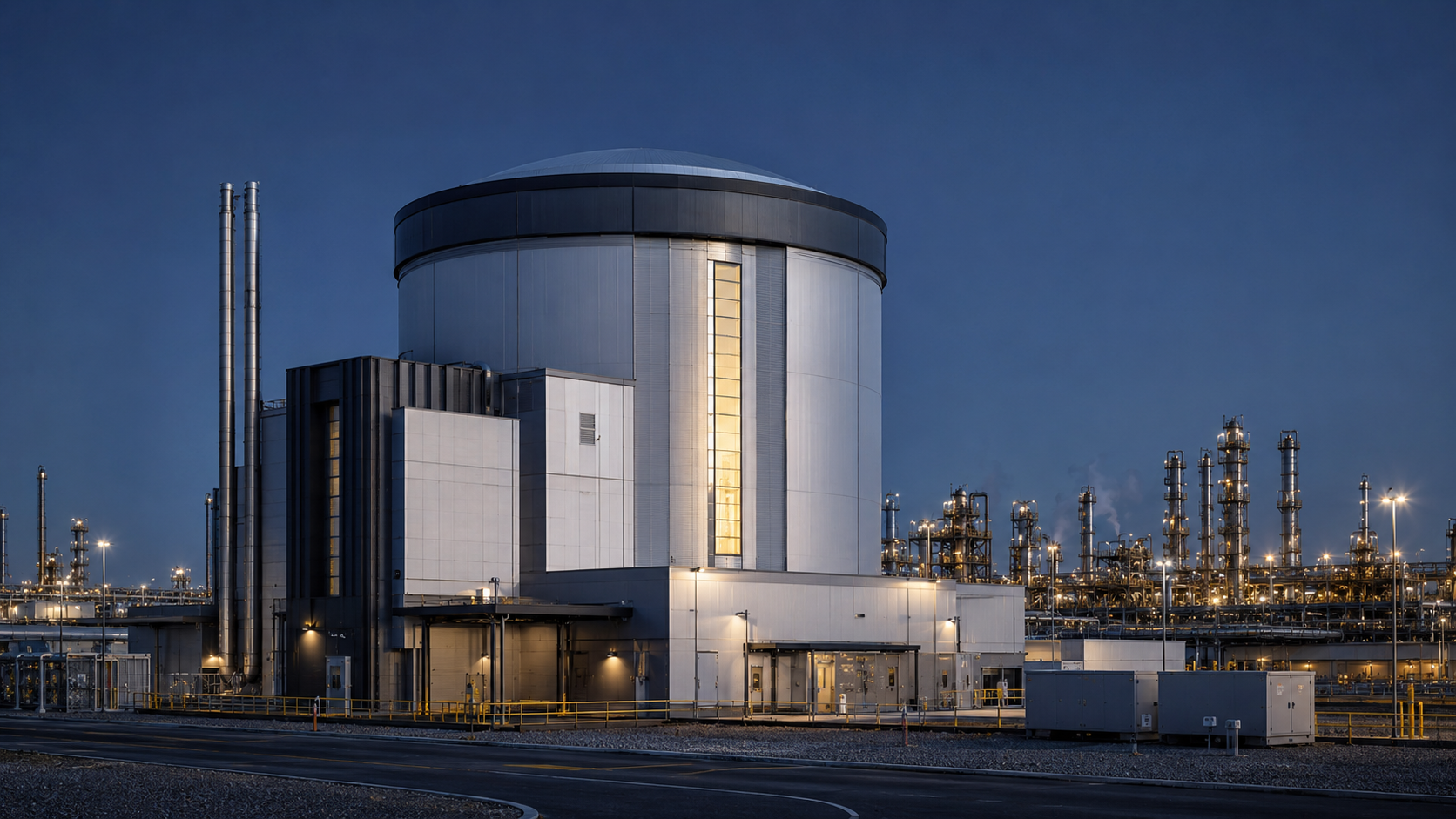
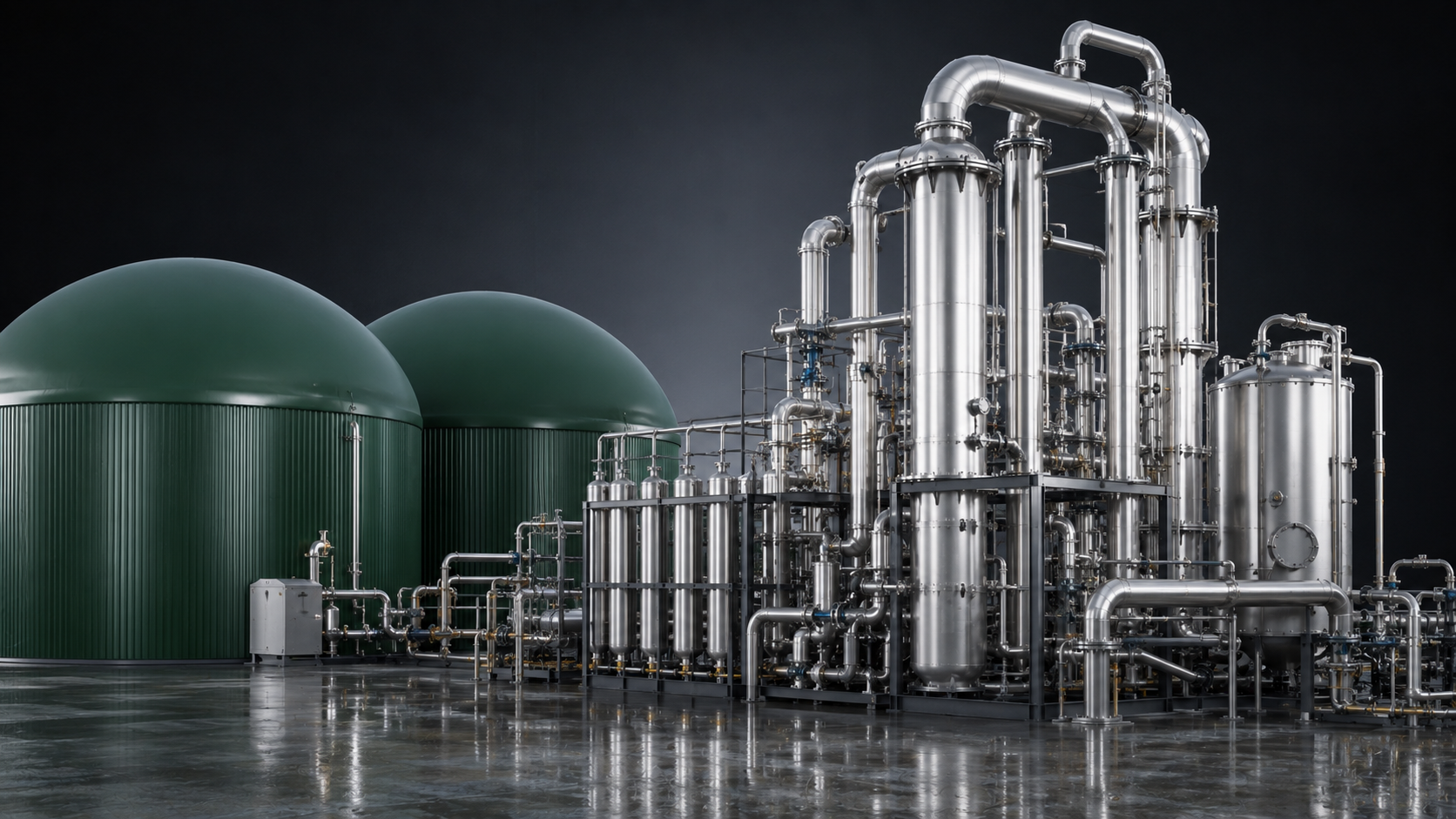
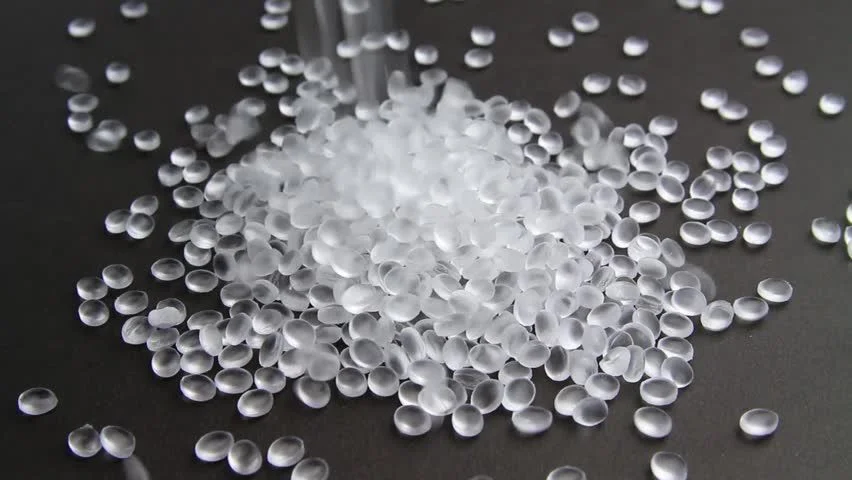
A significant change is taking shape in industrial manufacturing as nuclear-powered petrochemicals move from concept to commercial planning. Dow intends to install a modular nuclear reactor at its Seadrift, Texas petrochemical complex to provide electricity, process heat and steam directly to production operations. This initiative reflects a growing effort among manufacturers to secure stable energy supplies while reducing dependence on conventional fuels. For chemical buyers, traders and procurement teams, the project represents more than an energy upgrade. It signals a potential shift in production economics, operational reliability and long term supply planning across the petrochemical value chain.
Why Dow Is Turning to Modular Nuclear Energy
Petrochemical facilities require continuous supplies of electricity and thermal energy. Steam supports numerous production processes while reliable power keeps large scale operations running around the clock.
Dow's strategy focuses on integrating a small modular reactor, often referred to as an SMR, into its Seadrift operations. Unlike conventional power generation, this approach allows energy production to sit much closer to industrial demand, reducing dependence on external electricity markets and improving operational stability.
The objective extends beyond lowering emissions. Dow also aims to strengthen energy security, improve production consistency and reduce exposure to fluctuations in fuel prices.
Understanding Small Modular Reactors in Petrochemical Manufacturing
A modular nuclear reactor differs from traditional nuclear plants because manufacturers can build many of its components in factories before transporting them for installation.
Several characteristics make SMRs attractive for chemical manufacturing:
They provide continuous electricity without relying on weather conditions.
They generate process heat and steam alongside electrical power, matching the needs of petrochemical facilities.
Their modular construction can shorten deployment schedules compared with large nuclear projects.
Facilities can scale capacity more efficiently as production requirements evolve.
These advantages make SMRs particularly suitable for energy intensive chemical complexes operating every hour of the year.
How Reliable Energy Can Influence Petrochemical Production
Energy represents one of the largest operating costs for many petrochemical manufacturers. Interruptions or volatile utility prices can quickly affect production schedules and manufacturing costs.
A dedicated nuclear energy source may help Dow achieve:
More predictable operating expenses over long production cycles.
Reduced risk of electricity shortages during periods of high grid demand.
Greater production continuity during extreme weather events.
Improved planning for maintenance and capacity utilization.
Stable operations can also improve supply commitments to downstream buyers, reducing unexpected shipment delays.
Supply Chain Implications for Chemical Buyers
Procurement professionals increasingly evaluate suppliers based on resilience as well as price. Reliable production has become especially important following recent years of supply disruptions across global chemical markets.
Dow's investment may influence purchasing decisions in several ways:
Buyers may gain greater confidence in long term supply agreements if production interruptions become less frequent.
Improved energy stability can support more consistent manufacturing output during periods of market volatility.
Suppliers using advanced energy technologies may become preferred partners for customers with sustainability objectives.
Long term contracts could become easier to negotiate when production costs become more predictable.
Reliable energy infrastructure often becomes a competitive advantage long before it produces measurable cost savings.
What This Means for Decarbonization in the Chemical Industry
The chemical sector continues searching for practical ways to reduce emissions without sacrificing production efficiency.
Replacing conventional fossil fuel powered steam generation with nuclear energy offers an alternative pathway. Instead of depending solely on renewable electricity, manufacturers can obtain both process heat and power from one consistent energy source.
This combination addresses one of the industry's biggest challenges because many chemical reactions require high temperature heat that remains difficult to electrify using intermittent renewable energy alone.
Texas Remains a Strategic Petrochemical Hub
Texas already serves as one of the world's largest petrochemical manufacturing regions due to its extensive infrastructure, skilled workforce and access to feedstocks.
Dow's Seadrift complex benefits from:
Established logistics connecting domestic and international markets.
Access to ports supporting chemical exports.
Integrated production facilities serving multiple downstream industries.
Strong industrial infrastructure that supports future expansion.
Adding nuclear generated process energy could further strengthen the competitiveness of Gulf Coast manufacturing over the coming decades.
Potential Challenges Before Commercial Operation
Although the proposal offers considerable promise, several factors will determine the project's success.
These include:
Regulatory approvals for reactor construction and operation.
Capital investment requirements associated with nuclear technology.
Construction schedules and engineering execution.
Workforce development for operating advanced nuclear facilities.
Public acceptance and long term policy support.
Each of these elements will influence how quickly modular nuclear technology expands across the wider chemical industry.
Could Other Chemical Producers Follow?
If Dow demonstrates successful integration of modular nuclear technology, other manufacturers may evaluate similar investments for large industrial complexes.
Companies operating facilities with continuous demand for electricity, steam and heat could see particular value in dedicated nuclear generation. Regions with aging power infrastructure or increasing electricity costs may become especially attractive candidates.
This trend could gradually reshape how major petrochemical producers think about long term energy planning.
What Procurement Teams Should Watch
Energy strategy increasingly affects supply chain decisions. Procurement managers should monitor developments that influence manufacturing reliability, production costs and supplier resilience.
Key areas to watch include:
Expansion of modular nuclear projects within chemical manufacturing.
Changes in long term operating costs at energy intensive production sites.
New sustainability commitments from major chemical producers.
Investment in integrated energy infrastructure across global petrochemical hubs.
Potential improvements in supply stability for high volume commodity chemicals.
Businesses that monitor these developments early will be better positioned to anticipate shifts in supplier competitiveness and long term sourcing strategies.
Dow's modular reactor proposal represents more than a single infrastructure project. It reflects a broader movement toward integrating advanced energy systems with large scale chemical manufacturing to improve resilience, efficiency and operational stability. As industrial energy demands continue to evolve, projects like this may influence how future petrochemical facilities are designed and operated around the world.
Ready to source modular nuclear reactor related petrochemical products from verified global suppliers? Explore competitive offers on our platform today.