The global chemical manufacturing landscape is undergoing a massive structural shift with the announcement of a major consolidation. The planned Olin-Huntsman merger will integrate upstream chlorine and caustic soda production with downstream polyurethane systems. This strategic combination creates a new entity projected to generate approximately $12.5 billion in combined 2025 revenue. Procurement managers and chemical traders must immediately evaluate the implications of this vertical integration. A unified supply chain spanning from basic chlor-alkali feedstocks to advanced polymer formulations fundamentally alters market dynamics. Buyers relying on these critical materials need to anticipate shifts in pricing structures and allocation priorities. Understanding the scale of this massive operation allows sourcing teams to adjust their strategies proactively. Ignoring this development could lead to unexpected bottlenecks in polyurethane and chlor-alkali supply chains. Strategic preparation is essential for navigating the evolving corporate landscape.
The Strategic Rationale Behind Vertical Integration
Merging upstream and downstream operations provides significant competitive advantages in the modern chemical industry. Olin brings extensive expertise in chlor-alkali manufacturing and global distribution networks. Huntsman contributes advanced capabilities in polyurethane systems and specialty chemical formulations. This combination eliminates intermediate supply chain friction and reduces transaction costs.
The integrated entity can optimize production schedules across the entire value chain. Internal transfer of chlorine and caustic soda reduces reliance on volatile spot markets. This vertical alignment enhances overall margin stability and operational efficiency for the combined business.
Buyers should expect a more streamlined but potentially less flexible supplier base. The new company will likely prioritize high-margin downstream applications over merchant sales. Procurement teams must adapt their sourcing models to reflect this consolidated market power.
Impact on Chlorine and Caustic Soda Availability
Chlor-alkali products form the foundation of countless industrial processes globally. Caustic soda is essential for water treatment, pulp and paper and alumina production. Chlorine serves as a critical building block for PVC resins and various industrial solvents.
The merger may redirect a portion of this upstream capacity toward internal polyurethane production. This shift could tighten external market availability for standalone chlor-alkali buyers. Suppliers often prioritize captive consumption during periods of high downstream demand.
External buyers may face stricter allocation limits on bulk caustic soda. This requires proactive inventory management and safety stock adjustments.
Pricing for merchant chlorine could experience upward pressure. Reduced external supply naturally drives up market rates.
Contract renegotiations will become more complex. The new entity holds greater leverage in long-term supply agreements.
Polyurethane systems rely heavily on consistent access to key chemical intermediates. Isocyanates and polyols require precise formulation and reliable raw material inputs. The merged company can guarantee this supply stability through its integrated chlor-alkali assets.
This internal security allows for more aggressive innovation in downstream products. The entity can develop advanced polyurethane formulations for automotive, construction and appliance applications. Buyers in these sectors will benefit from enhanced technical support and product consistency.
However, smaller polyurethane formulators may find themselves at a competitive disadvantage. The merged giant could leverage its massive scale to dominate market share. Independent buyers must seek out alternative suppliers to maintain supply chain resilience.
Navigating the $12.5 Billion Revenue Scale
A combined revenue of $12.5 billion positions the new entity as a global powerhouse. This financial scale provides immense resources for research and development initiatives. The company can invest heavily in sustainable chemistry and process optimization technologies.
Procurement professionals must recognize the purchasing power this scale commands. The merged company will dictate terms more aggressively in supplier negotiations. Smaller chemical producers may struggle to compete for raw material access and logistics capacity.
Buyers should monitor the integration process closely over the next few years. Mergers of this magnitude often involve temporary operational disruptions. Facility consolidations and system migrations can cause short-term supply hiccups. Maintaining open communication channels with account representatives is crucial during this transition.
Regulatory and Antitrust Considerations
A merger of this size will attract intense regulatory scrutiny worldwide. Antitrust authorities in the United States and Europe will evaluate the market concentration effects carefully. Regulators may demand divestitures of certain overlapping product lines to approve the deal.
Buyers should track these regulatory proceedings very closely. Forced asset sales could create unexpected opportunities to acquire specific product lines from competitors. Alternatively, prolonged review periods might delay the realization of integration benefits.
Compliance standards will also become more stringent across the board. The new entity will implement unified global safety and environmental protocols. Suppliers and customers alike must adapt to these elevated operational requirements quickly.
Sustainability and the Green Chemistry Angle
Large chemical corporations face immense pressure to reduce their environmental footprint. The merged company will likely accelerate its investments in green chemistry initiatives. This includes developing bio-based polyols and energy-efficient chlor-alkali production processes.
Procurement teams with strict environmental mandates will benefit from this corporate focus. Access to sustainably produced materials helps companies meet their corporate ESG targets. The integrated supply chain allows for better tracking of Scope 3 emissions.
Buyers should request updated sustainability reports from the new entity promptly. Certifications and carbon footprint data will become standard requirements in procurement evaluations. Partnering with environmentally responsible suppliers mitigates long-term regulatory risks.
What Buyers Should Do Now
Procurement managers must act decisively to protect their supply chains immediately. Conduct a thorough audit of all current purchases of chlorine, caustic soda and polyurethane systems. Identify any single-source dependencies that pose significant operational risks.
Initiate conversations with alternative suppliers without delay. Qualify backup vendors for critical materials before the merger finalizes completely. This proactive approach prevents panic buying during potential transition disruptions.
Review existing contracts for change-of-control clauses carefully. Ensure that your organization retains the right to renegotiate terms or exit agreements if service levels decline. Building a diversified and resilient supply base is the ultimate defense against market consolidation.
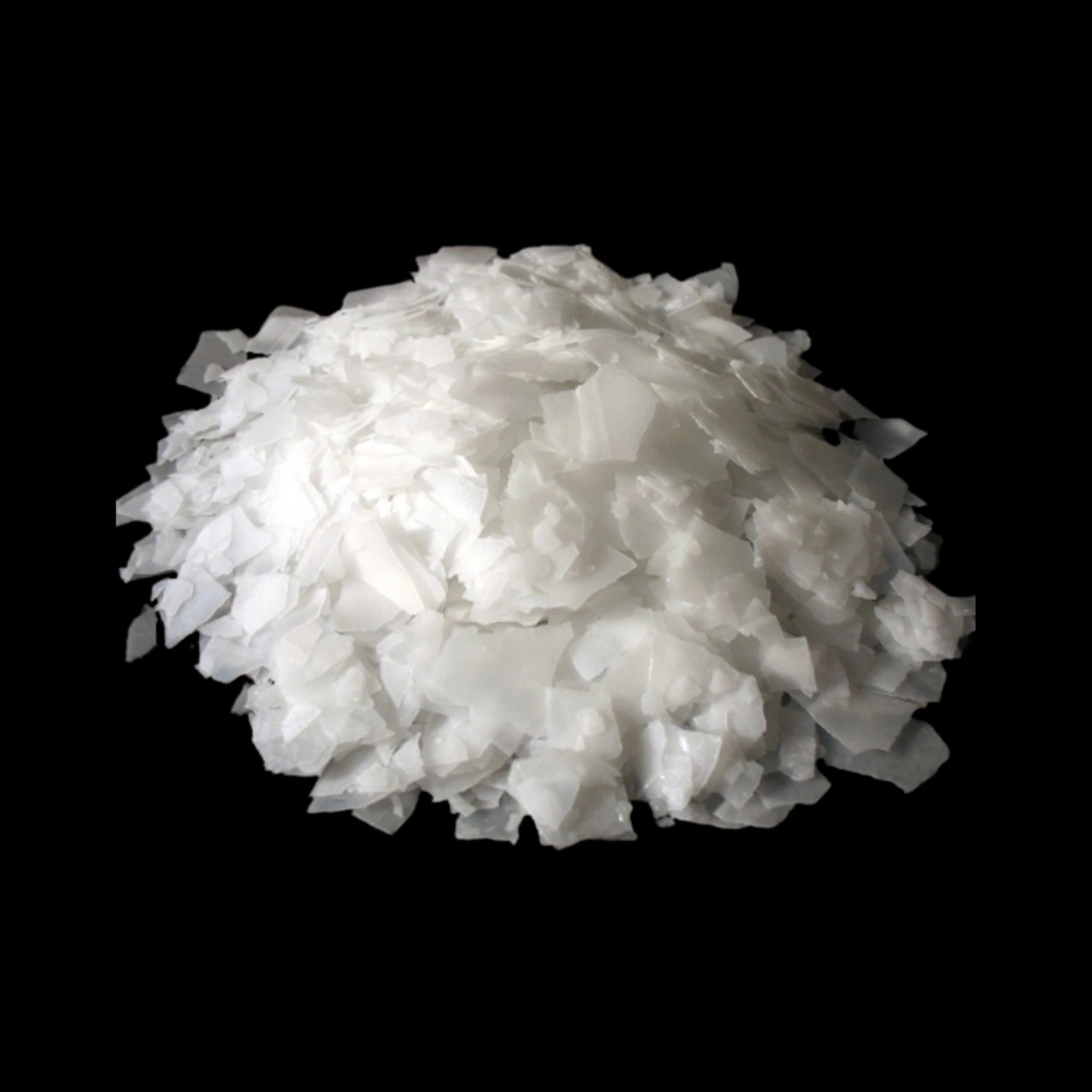
Ready to source Caustic Soda Flakes from verified global suppliers? Explore competitive offers on our platform today.