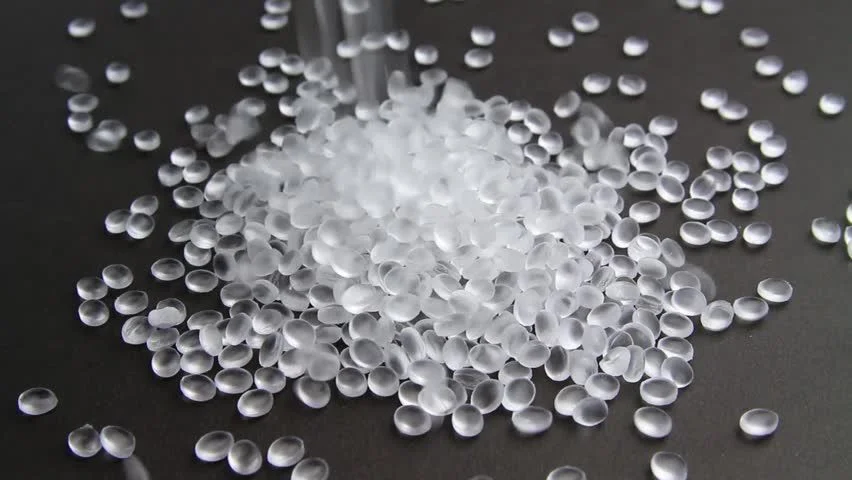
Origin Materials has named HP Embalagens as its strategic distributor for sustainable PET bottlecaps, giving the technology company a new route into Brazil's packaging market. The appointment expands Origin Materials' distribution reach while connecting its sustainable packaging technology with a market that plays an important role in the regional packaging supply chain.
For chemical traders, procurement managers, importers and packaging buyers, the development highlights how distribution partnerships can influence access to emerging polymer technologies. A strategic distributor can help translate technology into commercial opportunities by connecting suppliers with local customers, packaging manufacturers and other participants across the value chain.
Origin Materials Expands Its PET Bottlecaps Distribution Strategy
Origin Materials' decision to name HP Embalagens as a strategic distributor represents an expansion of its commercial reach rather than simply another distribution arrangement. The company is extending access to its sustainable PET bottlecap technology into Brazil through a local market partner.
This approach can matter significantly for packaging materials because buyers often need dependable channels for evaluating new materials and packaging formats. Distribution relationships can provide a bridge between technology developers and customers that require commercially accessible solutions.
The appointment also places Brazil more clearly within Origin Materials' distribution strategy for sustainable packaging products. For buyers operating across Latin American supply chains, broader distribution access can create additional opportunities to evaluate alternatives to conventional packaging components.
Why Brazil Matters for Sustainable Packaging Buyers
Brazil provides an important commercial setting for packaging companies looking to expand sustainable material solutions. The appointment of HP Embalagens gives Origin Materials a dedicated distribution connection within the Brazilian packaging market.
For procurement teams, local distribution can simplify the process of identifying and evaluating new packaging materials. Buyers can benefit when technology providers establish commercial relationships that bring products closer to the markets where packaging demand exists.
Several factors make distribution strategy relevant to chemical and polymer procurement:
Market access: A strategic distributor can connect technology suppliers with buyers operating within a specific national market.
Commercial reach: Distribution partnerships allow companies to extend the availability of products without relying exclusively on direct sales channels.
Supplier evaluation: Buyers gain another route for engaging with emerging packaging technologies and assessing their suitability.
Regional expansion: A presence in Brazil can support broader commercial activity across the country's packaging ecosystem.
These factors make the Origin Materials and HP Embalagens relationship relevant beyond the individual companies. It also illustrates how sustainable polymer technologies can move from development toward wider commercial access.
What Sustainable PET Bottlecaps Mean for the Polymer Market
PET, or polyethylene terephthalate, has a well-established role in packaging. Sustainable PET bottlecap technology adds another dimension to the polymer market by focusing attention on the materials used for packaging components rather than only the main container.
Bottle caps form a small physical part of many packaging systems, but their material selection still matters to packaging manufacturers and buyers. As sustainability becomes a stronger consideration in procurement decisions, suppliers that can offer new material solutions may gain opportunities to engage customers seeking changes across packaging formats.
For chemical traders, this creates a market signal worth monitoring. New polymer applications can generate demand for different grades, processing inputs and supply relationships as manufacturers evaluate how emerging technologies fit within their existing production systems.
The commercial significance therefore extends beyond bottlecaps themselves. It can influence conversations around material sourcing, supplier qualification, production compatibility and long-term packaging strategies.
How Distribution Partnerships Can Change Procurement Access
A technology developer can create an innovative material, but commercial adoption also depends on how efficiently buyers can access and evaluate it. Strategic distribution partnerships can help close that gap by placing products within established commercial channels.
HP Embalagens' appointment as Origin Materials' strategic distributor gives the company a defined route into the Brazilian packaging market. For procurement teams, that can make the supplier landscape easier to navigate when considering sustainable PET bottlecap options.
Distribution can influence several practical procurement considerations:
Availability: Buyers need clear channels through which they can request information, evaluate products and pursue commercial discussions.
Market familiarity: A distributor operating in the target market can provide an established connection with local customers and industry participants.
Supplier relationships: Strong distribution networks can help technology providers build relationships with packaging businesses over time.
Commercial scalability: Broader distribution can support the transition from technology awareness toward larger commercial opportunities.
For chemical traders, these relationships also demonstrate why market access can be as important as material innovation. A technology with a clear distribution pathway may attract more attention from companies looking to diversify their packaging supply base.
Implications for Chemical Traders and Polymer Buyers
The Origin Materials announcement offers several signals for companies involved in polymer procurement and packaging materials trading. The expansion into Brazil suggests that sustainable PET packaging solutions are becoming increasingly relevant to commercial distribution strategies.
Traders should monitor how new sustainable polymer products enter regional markets and which companies take responsibility for distribution. Strategic appointments can identify where suppliers intend to build commercial presence and which regions may receive greater attention.
Procurement teams can also use developments such as this to reassess their supplier discovery processes. Instead of evaluating only established commodity polymers, buyers may increasingly need to track emerging materials and technologies that could affect future packaging specifications.
For importers and exporters, the development highlights the value of understanding both product technology and distribution structure. A new material may offer commercial potential, but buyers still need a practical route for sourcing, qualification and ongoing supply.
Sustainability Is Becoming a Commercial Supply Chain Issue
Sustainable packaging has moved beyond a narrow product-development discussion. It increasingly intersects with procurement, supplier selection and commercial strategy.
Origin Materials' focus on sustainable PET bottlecaps and its appointment of HP Embalagens show how sustainability-related packaging technologies can expand through commercial partnerships. The development connects material innovation with distribution, placing both elements within the same market strategy.
For packaging buyers, this means sustainability considerations may increasingly influence sourcing decisions alongside traditional factors such as product consistency, supplier reliability and commercial availability. Companies evaluating polymer suppliers may need to consider how a material fits within broader packaging objectives rather than assessing price alone.
This shift can also create opportunities for chemical traders. Suppliers that understand emerging sustainability requirements can position themselves closer to customers seeking new material options, particularly when those options enter markets through established distribution networks.
What the Origin Materials and HP Embalagens Deal Signals for 2027
The appointment of HP Embalagens gives Origin Materials a stronger commercial connection to Brazil's packaging market and creates a foundation for wider distribution of its sustainable PET bottlecap technology.
For the broader polymer market, the development reinforces the importance of commercial pathways for sustainable material innovation. Technology providers need access to buyers, while buyers need practical ways to evaluate and source new materials.
Looking toward 2027, procurement teams can expect sustainability, material innovation and supply chain access to remain closely connected. Companies that monitor new distribution partnerships may gain earlier visibility into emerging materials and the regions where suppliers intend to expand.
The key signal for chemical traders is straightforward: distribution strategy can accelerate the commercial visibility of new polymer technologies. As sustainable packaging solutions develop, partnerships that connect technology companies with regional markets could become increasingly important to sourcing decisions.
The Bottom Line for Packaging Procurement Teams
Origin Materials' appointment of HP Embalagens as its strategic distributor for sustainable PET bottlecaps expands the company's distribution reach into Brazil's packaging market. The move demonstrates how a technology company's growth strategy can rely on regional commercial partnerships to bring sustainable packaging solutions closer to potential buyers.
For procurement managers, importers, exporters and chemical traders, the development is a reminder to track both material innovation and the distribution networks behind it. Understanding who represents emerging polymer technologies in key markets can help buyers identify new sourcing opportunities as packaging requirements evolve.
The broader opportunity lies in connecting sustainable material development with dependable commercial access. As Origin Materials expands through HP Embalagens in Brazil, the relationship creates another channel for the packaging industry to engage with sustainable PET bottlecap technology.
Ready to source Polyethylene Terephthalate (PET) from verified global suppliers? Explore competitive offers on our platform today.