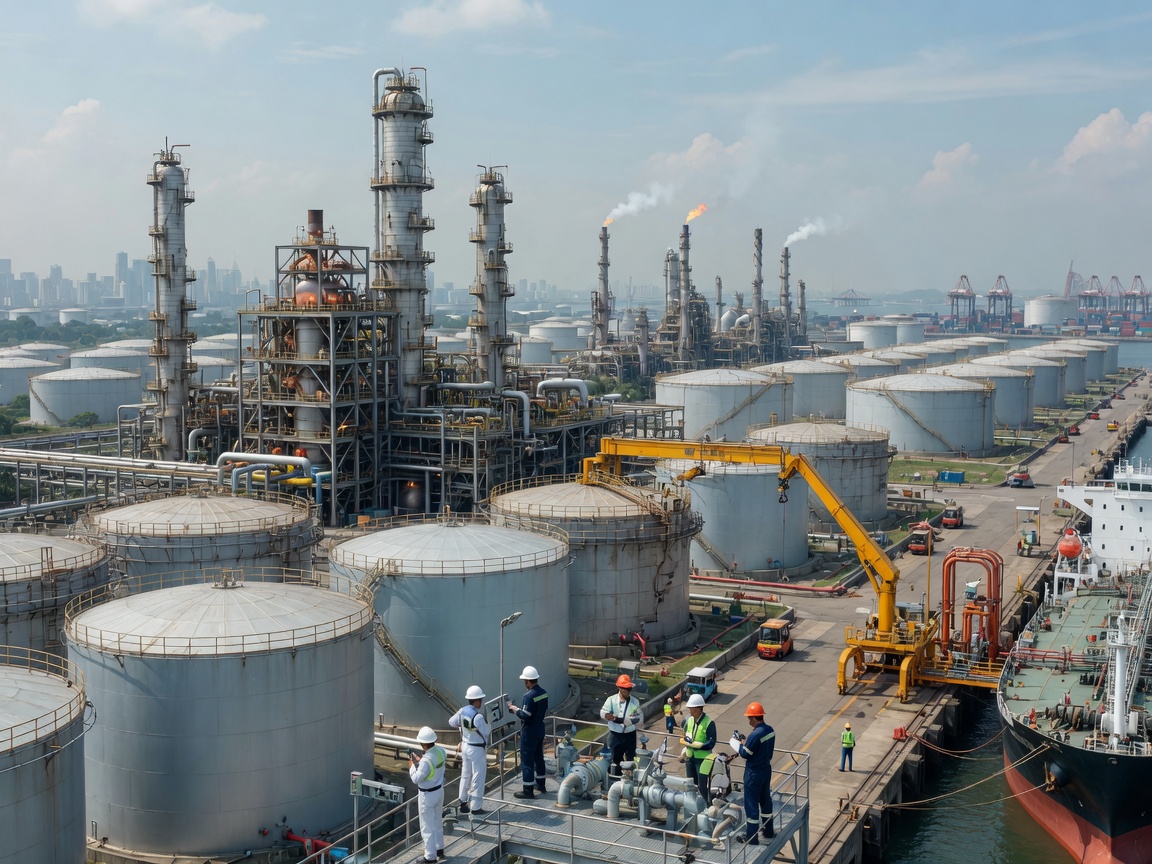
The operating status of Petrochemical Corporation of Singapore (PCS) has once again become an important focus for petrochemical procurement teams. Earlier in the crisis, PCS issued customers a formal force majeure notice, temporarily releasing the company from contractual obligations because of exceptional market conditions and supply chain disruption.
Recent geopolitical developments have renewed uncertainty across global energy and feedstock markets. For buyers sourcing polyethylene, polypropylene and ethylene derivatives from Singapore, the latest market developments make supplier engagement an immediate procurement priority rather than a routine commercial exercise.
Why PCS Matters in the Asian Petrochemical Market
Singapore remains one of Asia's most important petrochemical manufacturing hubs, serving regional and international customers with a broad range of olefins and polymer products.
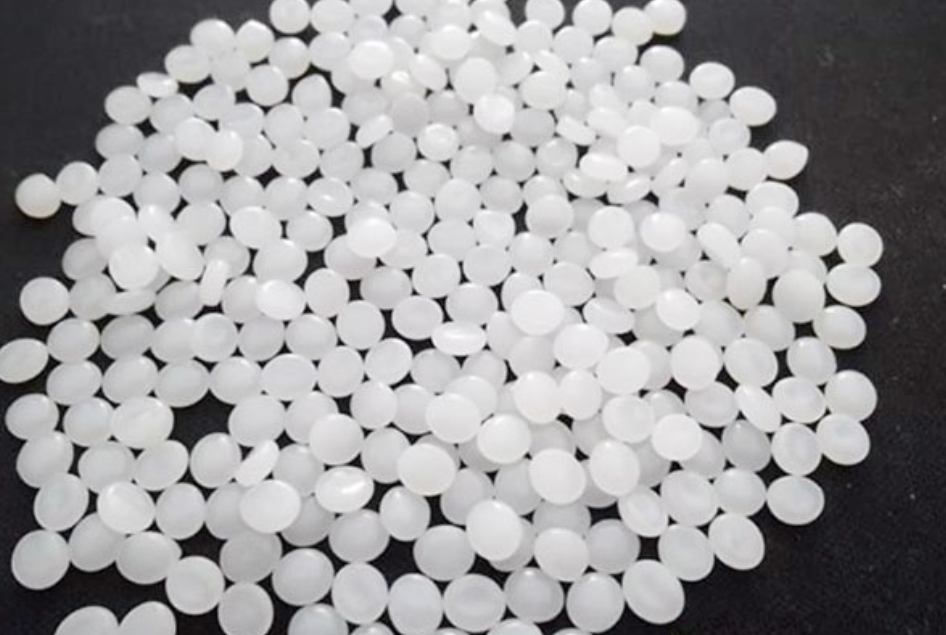
As a major producer of ethylene and polyolefin products, PCS supports downstream manufacturing across industries including:
Disruptions affecting production or feedstock availability at major Singapore facilities can influence regional supply balances and purchasing strategies.
When PCS declared force majeure at the beginning of the crisis, buyers faced uncertainty regarding contract performance, delivery schedules and product availability.
Force majeure provisions generally allow suppliers to suspend or modify contractual obligations when extraordinary circumstances prevent normal operations. For procurement professionals, these declarations require immediate assessment of inventory, customer commitments and alternative sourcing options.
Although convoy access improvements had encouraged discussions about winding down force majeure measures, the latest geopolitical developments have introduced fresh uncertainty.
Feedstock Availability Remains the Key Variable
Like many Asian naphtha cracker operators, PCS depends on stable feedstock supplies to maintain efficient production.
Several factors continue influencing operational planning:
Availability of naphtha feedstocks.
Regional shipping conditions.
Energy market volatility.
Marine freight reliability.
Inventory management across downstream customers.
Even if production facilities remain technically operational, feedstock constraints may continue affecting production rates and delivery schedules.
The latest market developments make supplier communication more important than market speculation.
Procurement teams with PCS supply relationships should confirm:
Current production status.
Existing force majeure position.
Expected delivery schedules.
Feedstock availability.
Any changes affecting contract fulfilment.
Receiving updated information directly from suppliers enables purchasing teams to make informed inventory and sourcing decisions.
Managing Risk Across Polyethylene and Polypropylene Supply
Buyers of polyethylene, polypropylene and ethylene derivatives should use this period to review broader supply chain resilience.
Useful risk management measures include:
Evaluating inventory coverage for critical polymer grades.
Confirming production schedules with alternative suppliers.
Reviewing logistics capacity for upcoming shipments.
Monitoring regional freight conditions.
Updating procurement forecasts based on supplier feedback.
These actions help reduce exposure if market conditions change rapidly.
Why Regional Diversification Matters
Supply concentration increases vulnerability during periods of geopolitical uncertainty. Companies relying heavily on a single production hub may experience greater operational disruption if unexpected events affect manufacturing or logistics.
Diversifying qualified suppliers across multiple production regions can improve procurement flexibility while reducing dependence on one facility or transport corridor. Although diversification may not eliminate supply risks, it strengthens business continuity planning during volatile market conditions.
What Petrochemical Buyers Should Do Now
The latest developments surrounding PCS Singapore reinforce the importance of active supplier engagement during periods of market uncertainty. While force majeure discussions may continue evolving, procurement teams should base sourcing decisions on direct communication with suppliers rather than assumptions about market conditions.
By confirming production status, reviewing inventory strategies and maintaining alternative sourcing options, buyers can better protect operations against potential disruptions affecting polyethylene, polypropylene and ethylene derivative supply.
Ready to source polyethylene, polypropylene and petrochemical products from verified global suppliers? Explore competitive offers on our platform today.