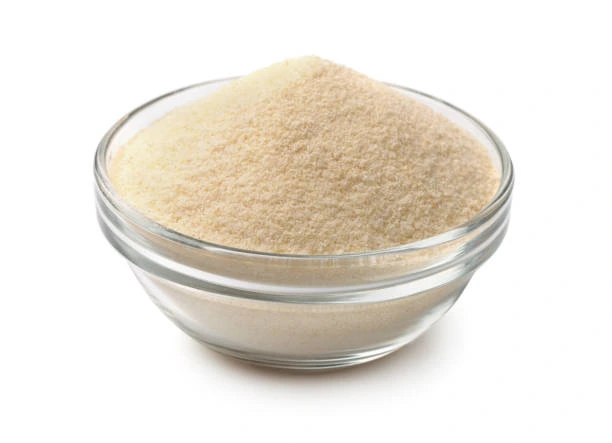
Pectin is becoming a more strategic ingredient for food and beverage manufacturers as clean-label formulation continues to influence purchasing decisions. Its ability to provide gel formation, viscosity, texture and stabilization makes it relevant across jams, fruit preparations, beverages, dairy products and confectionery.
For procurement teams, the challenge goes beyond securing a competitive price. Pectin sourcing requires close attention to grade, raw material origin, functionality, supplier consistency and application requirements.
The market also presents an interesting sourcing dynamic. Pectin production depends heavily on citrus peel and apple pomace, connecting ingredient availability to fruit-processing volumes and agricultural conditions. Buyers therefore need to understand both the ingredient market and the upstream supply chain when planning purchases.
Clean-label products have encouraged manufacturers to reconsider the functional ingredients used in recipes. Pectin can support texture and stability while fitting into formulations where brands want plant-derived ingredients with familiar names.
The ingredient's versatility makes it particularly useful when manufacturers replace certain synthetic or less consumer-friendly additives. Its role can vary significantly depending on the product and the type of pectin selected.
Demand comes from several application areas:
Fruit preparations: Pectin provides the structure required in jams, spreads and fruit fillings.
Beverages: Certain pectin grades can help manage suspension, mouthfeel and stability.
Dairy and dairy alternatives: Pectin can contribute to texture and stabilization in selected formulations.
Confectionery: It can create specific gel structures in products such as fruit-based gummies and jellies.
Bakery products: Pectin can contribute moisture management and texture in some applications.
This wide application base gives suppliers access to multiple demand segments, while buyers must select material according to the technical needs of each formulation.
Citrus and Apple Processing Shape Pectin Supply
Pectin is not produced from a single uniform raw material stream. Commercial pectin commonly comes from plant materials such as citrus peel and apple pomace, creating a direct connection between pectin supply and fruit-processing activity.
This makes agricultural and food-processing trends relevant to procurement planning. A change in citrus or apple processing volumes can affect the availability of suitable raw material for pectin manufacturers.
The processing route also matters. Different raw materials and production processes can result in different functional characteristics, so procurement teams should avoid treating all pectin as an interchangeable commodity.
Buyers should identify the required source and grade before comparing suppliers. This helps prevent situations where a lower-priced material fails to deliver the expected gel strength or processing performance.
Pectin Grades Matter for Procurement Decisions
One of the most important sourcing considerations is pectin type. High-methoxyl and low-methoxyl pectins have different gelling mechanisms and therefore serve different formulation requirements.
High-methoxyl pectin generally works in systems with suitable soluble solids and acidity, making it common in traditional fruit preparations. Low-methoxyl pectin can form gels through calcium interactions and can therefore provide different formulation options.
Amidated low-methoxyl pectin offers another functional profile and can be useful where manufacturers require specific gel characteristics.
For procurement teams, this means an RFQ should never rely on the product name alone. Specifications should clearly identify the pectin type, functional strength and intended application.
What Buyers Should Include in a Pectin Specification
A detailed specification helps procurement teams compare suppliers on an equivalent basis. It also reduces the risk of receiving technically unsuitable offers simply because they meet a broad product description.
Key criteria can include:
Pectin type: Specify whether the formulation requires high-methoxyl, low-methoxyl or amidated low-methoxyl pectin.
Gel strength: Establish the required performance based on the finished product rather than relying solely on supplier terminology.
Degree of esterification: This can influence gelling behavior and should match the formulation requirements.
Acidity and pH compatibility: Confirm that the selected grade performs effectively under the product's processing conditions.
Source: Identify whether citrus or apple-derived material is preferred or acceptable.
Microbiological specifications: Set clear limits and documentation requirements for food-grade procurement.
Packaging: Consider moisture protection, bag size, pallet configuration and warehouse handling.
Documentation: Request certificates of analysis, technical specifications and relevant food safety documentation.
These requirements give procurement teams a stronger foundation for commercial negotiations.
Pectin Sourcing Challenges Are Increasingly Complex
Supply security depends on more than production capacity. Pectin manufacturers must secure suitable fruit-derived raw materials, maintain processing operations and deliver finished material through international logistics networks.
Freight disruption can therefore affect a buyer even when global pectin production remains adequate. Importers should consider the entire route from raw material processing to the final warehouse.
Several procurement risks deserve regular monitoring:
Fruit crop conditions: Changes in citrus and apple production can affect raw material availability.
Processing capacity: Limited production capacity can create longer lead times during periods of strong demand.
Energy costs: Pectin processing requires industrial drying and other energy-intensive operations.
Freight conditions: International transportation can significantly change landed costs.
Currency movements: Exchange-rate volatility can affect import pricing.
Quality consistency: Variations in functional strength can create formulation problems.
Buyers that monitor these factors can react earlier when supplier lead times or prices begin to change.
How Clean-Label Trends Affect Pectin Procurement
Clean-label demand does not automatically mean that every pectin product will qualify for every formulation. Buyers still need to confirm regulatory status, processing aids, additives and labeling requirements relevant to their target market.
Manufacturers may also have different expectations for organic, non-GMO or other sourcing claims. Procurement teams should translate these commercial requirements into measurable supplier specifications.
This is particularly important when sourcing internationally. A material accepted under one market's requirements may require additional documentation or certification for another destination.
Supplier transparency therefore becomes increasingly valuable. Buyers should request documentation early rather than waiting until after a commercial order has been placed.
Pectin gives formulators several options when developing products around plant-based functionality. Its ability to build texture and structure can help manufacturers modify recipes while maintaining desirable sensory characteristics.
The opportunity is especially relevant in fruit-based products where pectin naturally aligns with the product concept. It can also support texture and stabilization requirements in selected beverage and dairy-alternative applications.
However, successful reformulation depends on the interaction between pectin, sugar, acidity, calcium, water and other ingredients. A change in pectin grade can therefore require adjustments elsewhere in the recipe.
Procurement teams should work closely with R&D when evaluating a new supplier or grade. A cheaper pectin is not necessarily a cheaper formulation if it requires higher usage or creates production problems.
Price Management Requires More Than Comparing Quotations
Pectin pricing reflects raw material availability, processing costs, energy, packaging, freight and supplier margins. A buyer that focuses only on the quoted price per kilogram can miss significant differences in the final cost of use.
Functional strength is particularly important. If one supplier's pectin delivers the required performance at a lower dosage, the material with the higher unit price may still provide the better economic result.
Procurement teams should therefore calculate cost at the formulation level:
Determine the required functional performance.
Establish the dosage needed under actual production conditions.
Calculate the ingredient cost per finished product unit.
Add freight, duties and other import costs.
Compare supplier consistency and lead times.
Evaluate the cost of switching suppliers if supply becomes constrained.
This approach turns pectin procurement from a simple commodity purchase into a broader total-cost analysis.
Supplier Qualification Should Include Application Testing
A technical specification provides the starting point, but application testing provides stronger evidence of suitability. Procurement teams should request samples from shortlisted suppliers and involve formulation specialists in the evaluation.
Testing can examine gel strength, viscosity, texture, dispersion and stability under actual manufacturing conditions. Results should be compared against the existing approved ingredient before commercial approval.
Supplier audits can also provide valuable information for larger buyers. Production controls, traceability, laboratory capability and batch consistency all influence long-term sourcing reliability.
For strategic accounts, a supplier relationship should include clear procedures for handling specification changes. Advance notification can give manufacturers time to test replacement material before an ingredient change affects production.
Regional Sourcing Can Improve Supply Resilience
International sourcing remains important for pectin buyers, but geographic diversification can reduce exposure to disruptions affecting a single supply route.
Importers can evaluate suppliers based on both manufacturing origin and logistics capability. A supplier with multiple export routes or strategically located inventory may offer stronger supply continuity than a producer that relies on one shipping corridor.
Local or regional distribution can also shorten replenishment times. However, buyers should still verify whether the distributor maintains appropriate storage conditions and product traceability.
The best sourcing structure depends on annual consumption, lead times, inventory costs and the criticality of pectin to the finished product.
Pectin Market Outlook for Food and Beverage Buyers
Demand for pectin should remain supported by continued interest in clean-label foods, fruit-based products, functional beverages and plant-derived ingredients. The ingredient's broad functionality gives it relevance across several growing product categories.
For procurement teams, the market outlook points toward a greater emphasis on quality-adjusted cost and supply security. Manufacturers cannot rely solely on spot-market pricing when a particular pectin grade is critical to production.
Supplier diversification, technical qualification and demand forecasting can help buyers manage this environment. Companies that establish backup sources before supply tightens will have more negotiating power and greater operational flexibility.
What Pectin Buyers Should Do Now
Pectin procurement works best when purchasing and technical teams define requirements together. The objective should be to secure a grade that delivers consistent formulation performance at a competitive landed cost.
Buyers should prioritize:
Specify the grade precisely: Define pectin type, functional requirements and relevant quality parameters.
Qualify alternative suppliers: Maintain backup sources before an urgent requirement arises.
Evaluate cost in use: Compare dosage and finished-product economics rather than unit price alone.
Monitor fruit supply: Track citrus and apple processing conditions as upstream indicators.
Test every new grade: Validate performance before making a commercial switch.
Strengthen documentation controls: Ensure certificates and regulatory documents match the destination market.
Plan inventory strategically: Balance safety stock against shelf life, storage costs and working capital.
For food ingredient traders and procurement managers, pectin represents a sourcing category where technical knowledge can create a meaningful commercial advantage. Buyers that understand grade differences, upstream raw material risks and application requirements can negotiate more effectively while reducing the chance of supply interruptions.
As clean-label formulation continues to influence product development, pectin is likely to remain an important functional ingredient across food and beverage markets. Strong supplier qualification and proactive sourcing can help manufacturers capture that opportunity without compromising quality or production stability.