Polybutadiene Rubber (BR): From Golf Ball Cores to High-Performance Tires
Introduction
Polybutadiene Rubber (BR) is one of the most widely used synthetic elastomers in the global rubber industry. Known for its exceptional resilience, abrasion resistance, and low heat build-up, BR plays a critical role in applications ranging from high-performance tires and industrial products to sporting goods such as golf balls.
As automotive manufacturers demand more durable and energy-efficient tires and consumers seek higher-performing sports equipment, the importance of Polybutadiene Rubber continues to grow. In 2026, BR remains a key material supporting innovation across transportation, manufacturing, and recreational industries.
This article explores the properties, applications, market trends, and future outlook for Polybutadiene Rubber in a rapidly evolving industrial landscape.
What is Polybutadiene Rubber (BR)?
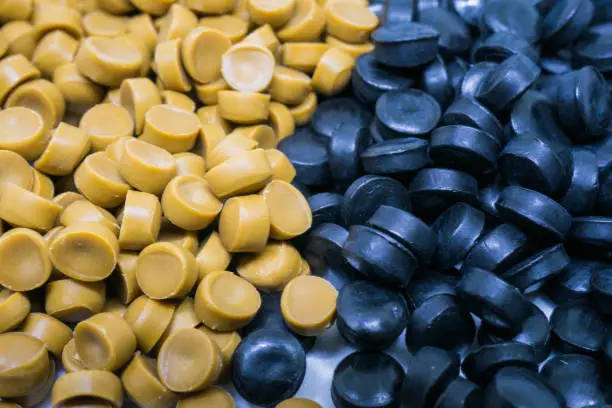
Polybutadiene Rubber is a synthetic rubber produced through the polymerization of butadiene monomers. It is characterized by its high elasticity, excellent wear resistance, and ability to withstand repeated deformation without significant loss of performance.
BR is often used alone or blended with other elastomers such as:
Its unique combination of flexibility and durability makes it ideal for products that require long service life and resistance to mechanical stress.
Key Properties of Polybutadiene Rubber
Several performance characteristics distinguish BR from other synthetic rubbers:
Exceptional Resilience
Polybutadiene exhibits outstanding rebound properties, allowing products to absorb and release energy efficiently.
Superior Abrasion Resistance
The material withstands repeated wear and friction, making it valuable in tire treads and industrial components.
Low Heat Build-Up
BR generates less heat under continuous deformation, helping improve durability and operational efficiency.
High Impact Resistance
Its ability to absorb shocks and impacts makes it suitable for dynamic applications.
Good Low-Temperature Performance
Polybutadiene maintains flexibility in colder environments where other elastomers may become brittle.
These advantages make BR a preferred material in demanding automotive and industrial applications.
High-Performance Tires: The Largest Application
The tire industry represents the largest market for Polybutadiene Rubber, accounting for a significant share of global consumption.
Modern tire manufacturers use BR to enhance:
Polybutadiene is often blended with Natural Rubber and SBR to create optimized tire compounds that balance performance, safety, and longevity.
Growing Demand from Electric Vehicles
Electric vehicles (EVs) place greater stress on tires due to their heavier battery packs and instant torque delivery.
As a result, tire manufacturers increasingly rely on BR to develop tires that offer:
The global transition toward electric mobility continues to create new growth opportunities for BR producers.
Golf Ball Cores: A Unique and High-Value Application
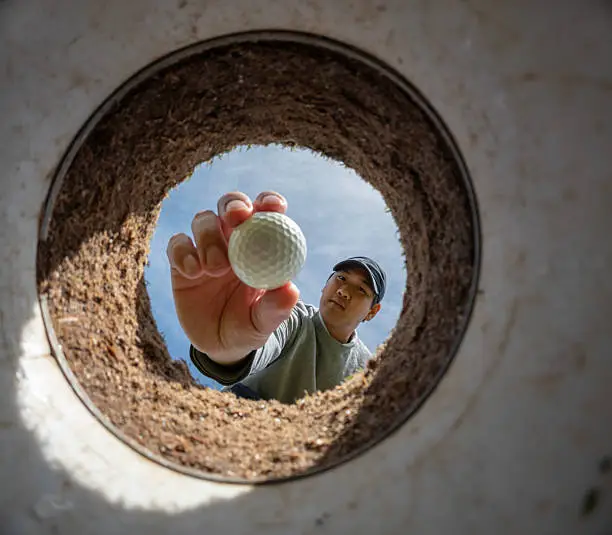
One of the most recognized non-automotive uses of Polybutadiene Rubber is in golf ball manufacturing.
Modern golf ball cores are typically made from high-cis polybutadiene due to its remarkable resilience and energy transfer properties.
Benefits include:
Greater driving distance
Improved ball speed
Consistent performance
Enhanced durability
Professional and recreational golfers alike benefit from the performance characteristics that BR provides. As sports equipment manufacturers continue to innovate, Polybutadiene remains a foundational material in premium golf ball design.
Industrial Applications of BR
Beyond tires and sporting goods, Polybutadiene Rubber serves numerous industrial sectors.
Conveyor Belts
Its abrasion resistance and flexibility make it suitable for heavy-duty material handling systems.
Rubber Hoses
Industrial and automotive hoses benefit from BR’s durability and resistance to mechanical stress.
Footwear
Shoe soles utilize BR to improve wear resistance and comfort.
Polymer Modification
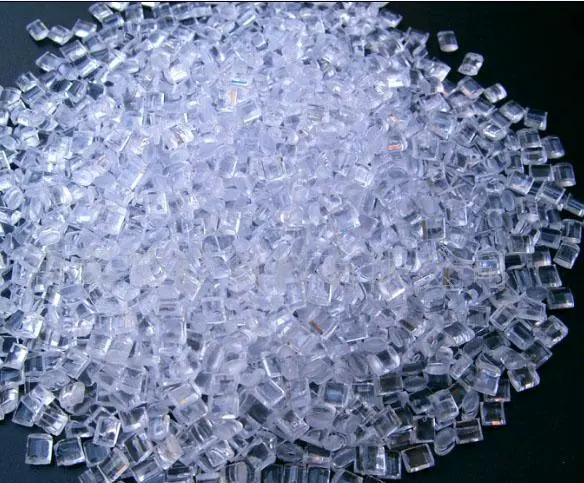
Polybutadiene is frequently used as an impact modifier in plastics such as polystyrene and ABS resins, improving toughness and durability.
Vibration Dampening Components
Industrial machinery often incorporates BR-based parts to absorb shock and reduce vibration.
These diverse applications help maintain stable global demand across multiple industries.
Raw Material and Supply Chain Considerations
The primary feedstock for Polybutadiene Rubber is butadiene, a petrochemical derived from steam cracking processes.
Several factors influence BR production economics:
Butadiene Availability
Supply fluctuations can significantly impact production costs and market pricing.
Petrochemical Feedstocks
Changes in global cracker feedstock strategies affect butadiene output and availability.
Regional Production Growth
Asia-Pacific, particularly China, South Korea, and Southeast Asia, continues to expand synthetic rubber manufacturing capacity.
Logistics and Trade Flows
Transportation costs, geopolitical developments, and global shipping conditions remain important factors for buyers and suppliers.
Maintaining a stable butadiene supply remains essential for ensuring consistent BR production worldwide.
Sustainability Trends in Polybutadiene Rubber
The rubber industry is increasingly focused on sustainability and circular economy initiatives.
Key developments include:
Recycled rubber integration
Tire recycling technologies
Lower-carbon manufacturing processes
Bio-based feedstock research
Improved energy efficiency in production facilities
Manufacturers are investing in innovative solutions to reduce environmental impact while maintaining the high-performance characteristics that customers expect.
Market Outlook for 2026
Global demand for Polybutadiene Rubber is expected to remain strong throughout 2026 and beyond.
Key growth drivers include:
Rising vehicle production
Expanding electric vehicle adoption
Increased tire replacement demand
Growth in sports equipment manufacturing
Infrastructure and industrial development
Asia-Pacific remains the largest production and consumption region, while North America and Europe continue to focus on advanced tire technologies and sustainable manufacturing practices.
Conclusion
Polybutadiene Rubber has established itself as one of the most versatile and valuable synthetic elastomers in the world. From delivering longer-lasting, energy-efficient tires to providing the performance core of modern golf balls, BR continues to support innovation across multiple industries.
As automotive technology advances and sustainability becomes increasingly important, manufacturers that invest in high-quality production, supply chain resilience, and environmentally responsible practices will be well-positioned for future growth.
In 2026, Polybutadiene Rubber remains a critical material connecting performance, durability, and innovation across the global industrial economy.