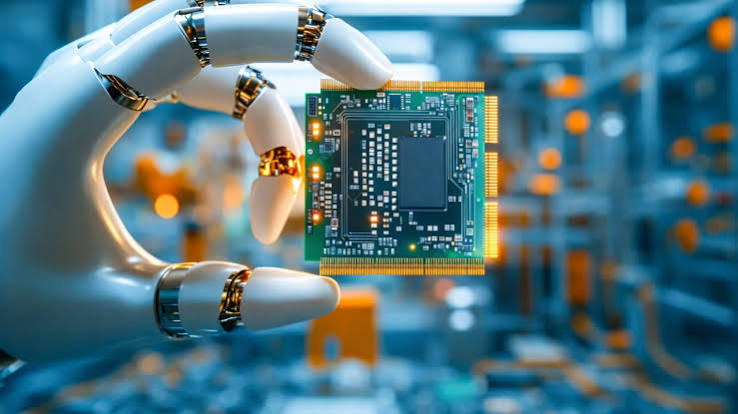
Power semiconductors sit at the heart of today's electrified economy.
From electric vehicles and renewable energy systems to industrial automation, AI data centres and consumer electronics, these devices regulate and convert electrical power throughout modern technology.
A second wave of power semiconductor price increases during 2026 demonstrates that supply-demand dynamics remain tight across important segments of the electronics value chain.
For procurement professionals, these developments extend beyond semiconductor pricing and influence numerous specialty chemical markets.
Why Power Semiconductors Matter
Power semiconductor devices are essential for controlling electrical energy in:
Growing demand across these industries continues supporting long-term semiconductor investment.
Specialty Chemicals Enable Semiconductor Manufacturing
Every semiconductor fabrication process depends on high-performance chemical inputs, including:
As semiconductor production expands, demand for these materials generally increases throughout the supply chain.
Cost Increases Ripple Through Manufacturing
Higher semiconductor prices may influence:
Although the impact varies by product, procurement teams should monitor upstream cost trends because they can gradually affect downstream manufacturing economics.
AI Infrastructure Continues Supporting Demand
Investment in AI is expanding demand across multiple semiconductor categories through:
These structural demand drivers continue supporting investment in semiconductor manufacturing capacity.
Procurement Should Monitor Cross-Industry Linkages
Electronic material procurement increasingly requires visibility across:
Understanding these interconnections helps procurement teams anticipate future supply and pricing developments.
Semiconductor Cost Inflation Extends Beyond Chipmakers
Rising prices for power semiconductors do not affect semiconductor manufacturers alone.
The impact gradually extends throughout industrial value chains, influencing:
Industrial automation equipment.
Electric vehicle production.
Renewable energy systems.
Consumer electronics.
Data centre infrastructure.
Factory automation.
As component costs increase, procurement teams across multiple industries may need to reassess budgets, supplier strategies and long-term contracts.
Electronic Chemical Suppliers Benefit From Structural Demand
Although semiconductor pricing may fluctuate, the long-term expansion of electronics manufacturing continues supporting demand for high-value specialty chemicals.
Key growth areas include:
Electronic-grade sulfuric acid.
High-purity hydrogen peroxide.
Electronic-grade isopropyl alcohol (IPA).
Photoresists.
CMP slurries.
Electronic specialty gases.
Advanced packaging materials.
These products remain essential inputs throughout wafer fabrication and semiconductor packaging processes.
Procurement Should Track the Entire Electronics Ecosystem
Semiconductor procurement is no longer limited to chip availability.
Procurement organisations should also monitor:
Power semiconductor pricing.
Wafer production capacity.
Specialty chemical supply.
Electronic material inventories.
Advanced packaging capacity.
AI infrastructure investment.
Automotive semiconductor demand.
Monitoring the entire ecosystem enables procurement teams to anticipate market shifts before they affect manufacturing schedules.
Procurement Priorities for H2 2026
As semiconductor demand remains strong, organisations should prioritise:
Qualifying multiple suppliers of electronic-grade chemicals.
Monitoring semiconductor pricing alongside specialty material markets.
Reviewing long-term contracts for critical electronic materials.
Evaluating supplier expansion plans and manufacturing capacity.
Diversifying sourcing across major semiconductor regions.
Integrating AI infrastructure demand forecasts into procurement planning.
Building strategic inventory policies for high-purity process chemicals.
These actions improve supply resilience while supporting long-term manufacturing continuity.
Looking Ahead to H2 2026
The second wave of power semiconductor price increases highlights the continued strength of demand across electrification, artificial intelligence and advanced manufacturing. While pricing pressures affect semiconductor manufacturers directly, the impact extends throughout the broader electronics ecosystem, increasing demand for high-purity specialty chemicals, advanced materials and precision manufacturing inputs. This demonstrates the growing interconnectedness of semiconductor and chemical supply chains.
For procurement professionals, successful sourcing now requires visibility beyond individual product categories. Semiconductor pricing, electronic chemical availability, AI infrastructure investment and advanced manufacturing capacity should be analysed together to understand future market dynamics. Suppliers capable of maintaining quality, expanding production and supporting long-term technology roadmaps are becoming increasingly valuable strategic partners.
The key lesson for H2 2026 is that semiconductor markets and specialty chemical markets are becoming increasingly interdependent. Procurement organisations that combine semiconductor intelligence, specialty chemical market analysis and long-term technology investment trends will be better positioned to manage costs, secure critical materials and support resilient manufacturing operations in an increasingly digital industrial economy.
Ready to source semiconductor-grade chemicals, electronic materials and advanced specialty chemicals from verified global suppliers serving the next generation of AI and semiconductor manufacturing? Explore competitive offers on our platform today.