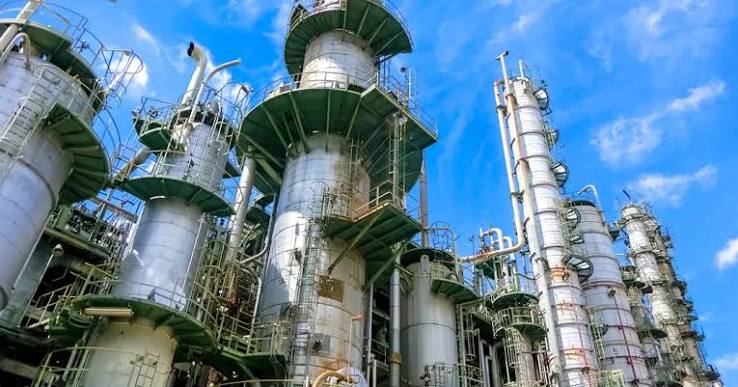
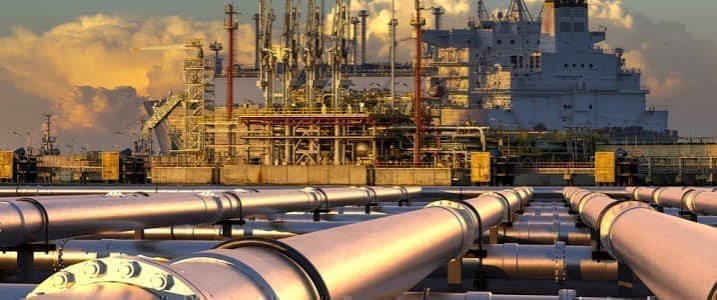
The global petrochemical industry is seeing a clear shift in where new capacity is being added. In 2026, new ethylene and polyethylene plants are expected to start up in Qatar and the US Gulf Coast, two regions with access to relatively low-cost feedstocks. These projects are arriving at a time when producers in Europe and parts of Asia are reducing utilization or closing older facilities, highlighting a growing divide between competitive and higher-cost production regions.
Qatar Builds on Its Feedstock Advantage
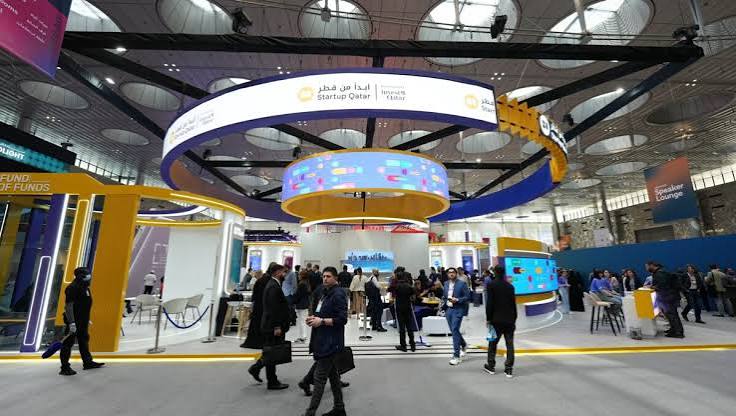
Qatar's petrochemical industry benefits from abundant natural gas resources, giving producers access to competitive feedstocks for ethylene and polyethylene production. New capacity in the country strengthens its role as a major exporter of petrochemical products and allows producers to compete in international markets. The addition of modern facilities also gives Qatar an opportunity to capture demand growth in Asia, the Middle East and other import-dependent markets.
The US Gulf Coast Remains a Major Growth Hub
The US Gulf Coast is also positioned for further petrochemical expansion because of its access to low-cost natural gas liquids and established industrial infrastructure. New ethylene and polyethylene capacity can benefit from integrated supply chains, existing pipelines, ports and downstream manufacturing facilities. This combination allows US producers to remain competitive in global commodity chemical markets even as higher-cost regions face increasing pressure.
Europe and Parts of Asia Are Moving in the Opposite Direction
The new capacity in Qatar and the US contrasts with developments in Europe and parts of Asia, where producers are rationalizing older assets. European chemical companies continue to face high energy costs, weak demand and pressure from global overcapacity, while Japanese and South Korean producers are also reviewing or shutting less competitive crackers. This means global chemical capacity is not simply growing—it is being redistributed toward regions with stronger cost advantages.
A Major Shift in the Global Supply Map
The simultaneous addition and retirement of capacity is reshaping global petrochemical trade flows. New plants in Qatar and the US Gulf Coast can supply international markets with competitive ethylene derivatives and polyethylene, while closures in Europe and Asia may increase those regions' dependence on imports. For chemical buyers, this shift makes supplier diversification and access to competitive global producers increasingly important.
The Global Industry Is Becoming More Concentrated
The 2026 startup cycle illustrates a broader restructuring of the petrochemical industry. Investment is increasingly flowing toward regions with low-cost feedstocks, modern facilities and strong export infrastructure, while older assets in higher-cost markets face closure or reduced utilization. Qatar and the US Gulf Coast therefore represent the expansion side of the global market, while Europe and parts of Asia represent the rationalization side. Understanding this geographic shift will be critical for companies assessing future chemical prices, supply security and sourcing strategies.