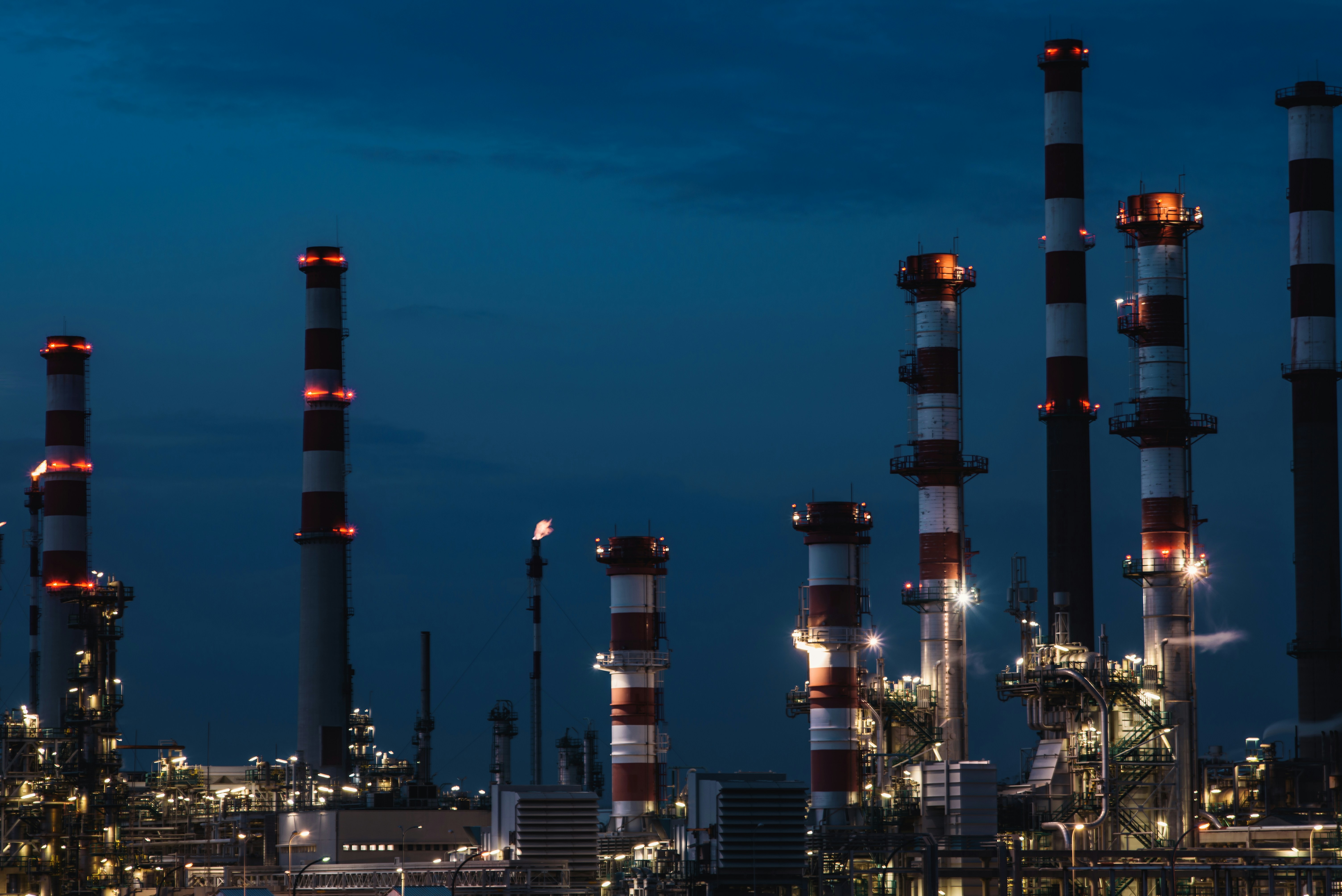
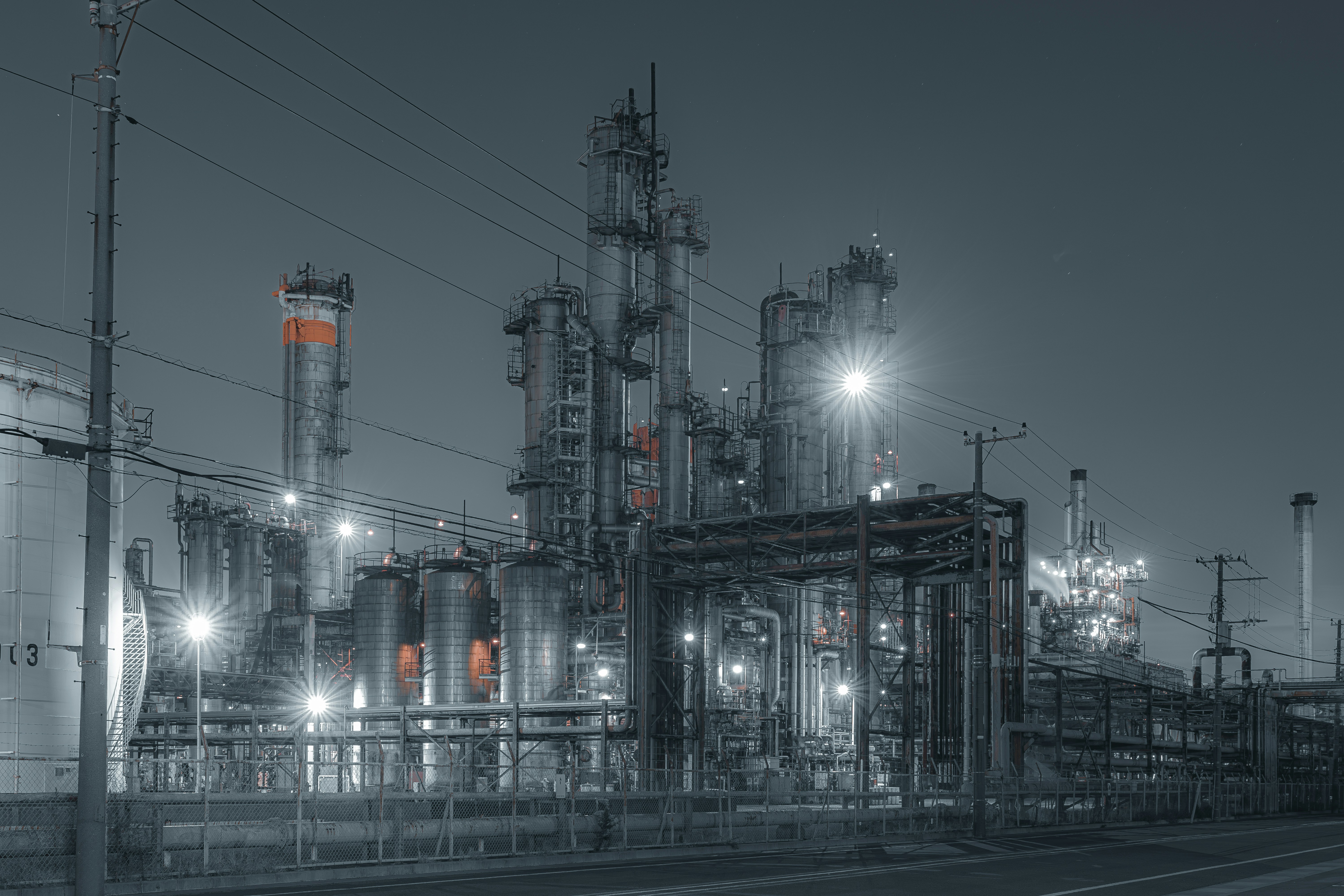
Qore's plant in Eddyville, Iowa is now the world's largest facility producing biobased 1,4-butanediol, better known as BDO, and it stands as one of the clearest commercial validations of Genomatica's licensed fermentation technology. The plant began operations in mid-2025, converting US-grown plant sugars into BDO through a single-step fermentation process rather than the fossil-based routes most of the world's BDO still relies on.
One clarification matters here. Qore is a joint venture between Cargill and HELM, not a company Again owns. Genomatica licenses its Bio-BDO process to Qore in exchange for fees and royalties, and Again's recent acquisition of Genomatica brings that licensing relationship along with it, but Qore itself remains independently owned and operated by Cargill and HELM.
Inside the Eddyville Facility
The numbers behind this plant illustrate just how far biobased BDO production has scaled since the technology was first commercialized.
Cargill and HELM committed a combined $300 million, later reported at roughly $360 million, to build the facility.
The plant can produce 65,000 metric tons of BDO annually, making it the largest facility of its kind in operation.
It is the second commercially operating licensed Genomatica Bio-BDO facility worldwide and the first located in the United States.
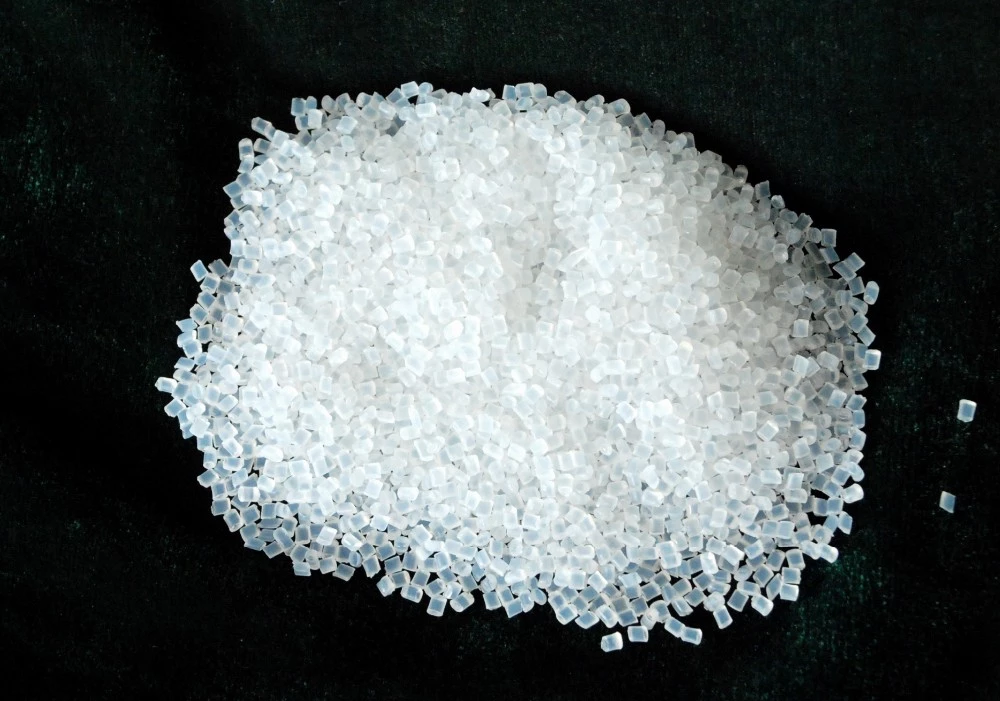
BDO produced there is sold under the QIRA brand name to customers replacing fossil-based chemistries in textiles, plastics and packaging.
The plant's scale matters because fermentation-based chemical production has historically struggled to reach cost parity with conventional petrochemical routes. A facility this size operating commercially is a meaningful signal that the economics are working, not just the chemistry.
Part of a Wider Licensing Track Record
Eddyville is not an isolated success story. It sits inside a broader pattern of commercial deployments built on the same underlying technology.
Novamont, in Bottrighe, Italy, has run a 30,000 metric ton per year facility using the same licensed process since 2016, the original commercial proof point for the technology.
Hyosung, the world's largest spandex maker, is building a $1 billion facility in Vietnam expected to produce 50,000 metric tons annually, with plans to scale toward 200,000 metric tons by 2035.
Across all licensed facilities combined, roughly 150,000 metric tons per year of Bio-BDO capacity is now in operation or under construction.
BASF signed an agreement in 2023 to purchase biobased BDO from Qore, giving the Eddyville plant a direct commercial customer relationship with one of the world's largest chemical producers.
Why This Matters for the Again-Genomatica Deal
Genomatica's track record of turning licensed technology into commercial-scale plants is part of what made it a meaningful acquisition target for Again. A company's patent portfolio only has value if the underlying process has actually been proven to work at industrial scale, and Eddyville is direct evidence that it has.
The relationship between HELM and Again adds another layer worth watching. HELM, as co-owner of Qore, also signed a ten-year agreement in 2024 to market Again's commodity chemicals, including acetic acid and esters. That means HELM now has commercial ties to both companies independently, first as a Qore partner licensing Genomatica's BDO technology, and separately as a distributor for Again's own carbon-based chemicals.
Genomatica's broader partnership history extends beyond BDO as well. The company has worked with Unilever and Kao on palm oil alternatives and with Aquafil on biobased nylon intermediates, giving Again a technology portfolio that spans several chemical categories beyond the BDO plants getting most of the attention.
What Buyers Sourcing Biobased Materials Should Track
For procurement teams evaluating biobased BDO or related fermentation-derived chemicals, a few practical points follow from Eddyville's example.
Licensed capacity is not the same as owned capacity. Genomatica licenses its technology rather than operating plants directly, so supply reliability depends on the licensee's operations, in this case Qore, not on Genomatica or Again directly.
Established licensees offer a longer track record. Novamont's Italy facility has been running since 2016, giving buyers nearly a decade of operational history to evaluate before considering supply from newer licensed plants.
New capacity is still coming online. Hyosung's Vietnam facility remains under construction, meaning near-term global Bio-BDO supply is concentrated in just two operating plants, Novamont and Qore, until additional capacity comes online.
Customer relationships like BASF's agreement with Qore offer a signal of commercial confidence worth factoring into supplier evaluation, separate from production capacity alone.
The Bottom Line for Buyers Evaluating Biobased Supply
Qore's Iowa plant is a genuine commercial-scale success story, not just a pilot project or a research demonstration. It proves that Genomatica's fermentation technology can run at real industrial volume, sell into major customer relationships like BASF's, and do so profitably enough to justify a second, larger facility beyond the original Italian plant.
For buyers, the plant's ownership structure is worth remembering. Qore remains a Cargill-HELM joint venture, licensing Genomatica's technology rather than falling under Again's direct ownership, even as Again's acquisition of Genomatica strengthens the technology and licensing relationships behind it.