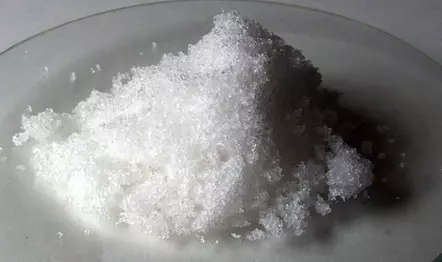
The UK's new anti-dumping investigation into Suspension Polyvinyl Chloride (S-PVC) imports from China, Mexico and South Korea adds another important case to the country's growing 2026 trade-defense activity.
The Trade Remedies Authority (TRA) initiated the investigation on 4 August 2026 following an application from INOVYN ChlorVinyls Ltd, the UK's only producer of S-PVC. The application alleges that dumped imports are causing injury to the domestic industry.
The case is significant because S-PVC is a widely used industrial material, with applications including pipes, window frames, cables, flooring and packaging.
For chemical producers, importers and procurement teams, the investigation provides another indication that trade-defense policy is becoming an increasingly important factor in UK chemical markets.
Why the S-PVC Investigation Matters
S-PVC sits at the center of several downstream manufacturing chains.
It is used extensively in:
Construction
Infrastructure
Electrical products
Flooring
Packaging
Building materials
Industrial manufacturing
Any trade remedy affecting S-PVC imports could therefore influence costs and supplier competitiveness across multiple downstream industries.
The Three Countries Under Investigation
The investigation covers S-PVC originating from:
The TRA will examine whether imports from these markets have been dumped and whether those imports have caused material injury to the UK industry.
The multi-country scope makes the case particularly relevant for importers with diversified international sourcing networks.
INOVYN's Role Is Central
The application was submitted by INOVYN ChlorVinyls Ltd, which the TRA identifies as the UK's only S-PVC producer.
INOVYN manufactures S-PVC at its Newton Aycliffe site in County Durham and also operates UK sites in Runcorn and Northwich.
The company's application argues that dumped imports are harming the domestic S-PVC industry.
Registration of Imports Adds Another Layer
The UK government subsequently issued Trade Remedies Notice 2026/22 requiring HMRC to register imports of the affected S-PVC.
Import registration began on 11 August 2026.
This is important for importers because registration can have implications if a definitive trade remedy is eventually imposed.
Under UK rules, where a definitive remedy is implemented, duties may potentially apply to registered imports for a period preceding a provisional measure.
The Investigation Is Not Yet a Final Duty
Importantly, the current development is an investigation, not a definitive anti-dumping duty.
The TRA must still assess:
Dumping
Injury
Causation
Economic interests
Appropriate remedy
Therefore, importers should not treat the investigation itself as confirmation that additional duties will ultimately apply.
S-PVC Is Strategically Important
PVC is one of the world's most widely used polymers.
Suspension PVC is particularly important because it forms the base material for numerous rigid and flexible products.
That means changes in S-PVC trade economics can have effects far beyond the chemical sector itself.
Construction Is a Major Demand Channel
Construction represents one of the most important downstream markets for PVC.
S-PVC is used in products such as:
Pipes
Profiles
Window frames
Flooring
Building components
The UK's construction sector could therefore be indirectly affected if import economics change.
Infrastructure Demand Adds Another Dimension
PVC is also widely used in infrastructure applications.
Water and drainage pipes, electrical cable insulation and other infrastructure products can depend on competitive polymer supply.
This makes S-PVC availability relevant to long-term infrastructure costs.
Electrical Applications Matter Too
S-PVC is used in cable and wire applications.
If imported material becomes more expensive because of future trade measures, downstream electrical-product manufacturers may need to reassess supplier pricing and contract structures.
Packaging Provides Another End Market
PVC also has applications in packaging.
This creates another connection between the investigation and downstream manufacturing.
Packaging companies may need to monitor how any future trade remedy affects resin availability and pricing.
China's Position Deserves Close Attention
China is one of the world's largest chemical and polymer manufacturing markets.
Chinese producers can benefit from:
Large production scale
Integrated feedstock chains
Extensive manufacturing infrastructure
Significant export capacity
The UK's investigation therefore has potential relevance to broader European polymer trade flows.
Mexico Adds a Different Supply Dynamic
Mexico's inclusion makes the investigation broader than a conventional China-focused trade case.
For UK importers, this means the case could affect sourcing strategies across multiple geographic supply options.
It also demonstrates that trade-defense investigations can cover several origins when domestic-industry concerns involve a broader import pattern.
South Korea Is Another Important Chemical Supplier
South Korea has a highly developed petrochemical industry and is an established supplier of polymers and chemical materials to international markets.
Its inclusion means UK buyers sourcing S-PVC from Asia may need to monitor the investigation particularly closely.