Ranking ENEOS's TPC Deal Against Its Broader US Materials Acquisitions | ChemicalsBlog.com
Rankings & Industry Intelligence
schedule9 Min Read
Ranking Eneos's TPC Deal Against Its Broader 2022-2026 US Materials Acquisitions
terminal
prodchem
Aug 13, 2026
ENEOS's pending acquisition of TPC Group's Gulf Coast operations adds another significant US materials transaction to the Japanese company's expanding North American footprint.
The transaction, reportedly valued at approximately $1.28 billion including debt, would bring TPC's petrochemical operations in Houston, Port Neches, Texas, and Lake Charles, Louisiana into ENEOS's portfolio. The deal is expected to receive regulatory approval from the US Federal Trade Commission and Department of Justice by October 2026.
The proposed acquisition is particularly notable when viewed alongside ENEOS's 2022 acquisition of JSR's elastomers business. That transaction created ENEOS Materials and represented a major expansion into synthetic rubber and advanced materials.
Together, the transactions illustrate a broader strategy of building and strengthening ENEOS's US and global materials exposure through targeted acquisitions and portfolio integration.
Why the TPC Deal Matters
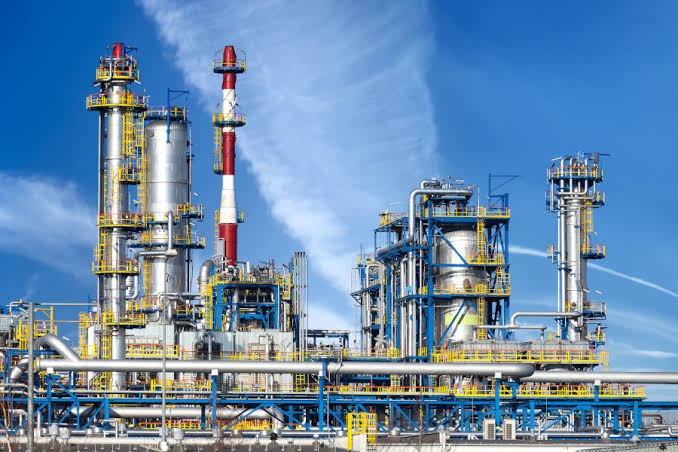
TPC Group's assets occupy an important position in the North American petrochemical chain.
The company's Gulf Coast operations include facilities in:
Houston
Port Neches
Lake Charles
The broader US Gulf Coast petrochemical corridor
These locations provide access to one of the world's most important concentrations of petrochemical production, feedstocks, infrastructure and logistics.
For ENEOS, acquiring these operations offers an opportunity to strengthen its presence in the US industrial materials market.
The Deal Is Valued at About $1.28 Billion
According to reporting citing Bloomberg, the transaction values TPC Group at approximately $1.28 billion including debt.
That places the proposed purchase well above a small bolt-on acquisition.
Instead, it represents a meaningful capital allocation decision for ENEOS and provides a useful benchmark for evaluating the company's broader materials investment strategy.
TPC Adds Petrochemical Infrastructure
TPC's operations complement ENEOS's existing energy and refining activities.
The company said the acquired petrochemical operations will be integrated into ENEOS's oil-refining portfolio.
This creates potential strategic connections between:
Refining
Petrochemicals
Feedstocks
Storage
Logistics
Industrial materials
The integration potential is therefore an important part of the deal's strategic rationale.
The Gulf Coast Location Is Strategically Important
The US Gulf Coast remains one of the world's most important petrochemical regions.
Its advantages include:
Abundant feedstock availability
Large-scale chemical infrastructure
Deep-water ports
Extensive pipeline networks
Established downstream customers
Access to export markets
For an international energy and chemicals company, these characteristics make Gulf Coast assets particularly valuable.
The Deal Follows ENEOS's 2022 JSR Transaction
The clearest comparison is ENEOS's acquisition of JSR's elastomers business.
ENEOS completed that acquisition on April 1, 2022, with the business transferred into newly established ENEOS Materials.
JSR described the elastomers business as its founding business, giving the transaction strategic significance beyond a conventional asset purchase.
ENEOS said it intended to combine the acquired business with its own research and development capabilities to generate synergies.
Ranking the Two Transactions
From a strategic perspective, the two transactions represent different parts of ENEOS's materials strategy.
1. JSR Elastomers Acquisition
Strategic materials platform
The 2022 transaction established ENEOS Materials and expanded ENEOS's position in synthetic rubber and elastomers.
2. TPC Group Acquisition
North American petrochemical expansion
The pending transaction would strengthen ENEOS's US Gulf Coast petrochemical footprint and connect more closely with its existing refining activities.
The two deals therefore appear complementary rather than directly overlapping.
TPC Broadens ENEOS's Materials Exposure
The JSR transaction gave ENEOS exposure to elastomers and synthetic rubber.
TPC adds a different set of petrochemical capabilities.
That broadens the company's materials portfolio across several stages of the industrial value chain.
The combination could provide ENEOS with greater exposure to both:
The JSR transaction did not simply end the relationship between JSR and ENEOS.
In 2026, the companies continued restructuring their operational relationship.
JSR transferred part of its Yokkaichi plant land to ENEOS Materials, while logistics operations related to elastomer products were also transferred.
These moves show that ENEOS Materials has continued optimizing the structure created by the 2022 acquisition.
The 2026 Restructuring Is Also Significant
In February 2026, JSR announced the transfer of its electronics-industry rubber sales business to ENEOS Materials.
The transaction was scheduled for completion around April 2026.
This further strengthened ENEOS Materials' control over the production and commercial side of the relevant synthetic-rubber business.
The TPC Deal Is More US-Focused
Unlike the JSR transaction, the TPC purchase is primarily about strengthening ENEOS's North American operating base.
TPC's Gulf Coast assets give ENEOS greater exposure to the US chemical manufacturing ecosystem.
That makes the transaction particularly relevant to ENEOS's international expansion strategy.
The Deal Could Improve Vertical Integration
One potential attraction of TPC is its relationship with the petrochemical value chain.
By combining petrochemical assets with ENEOS's existing refining operations, the company may be able to capture operational and commercial efficiencies.
Potential benefits could include:
Feedstock optimization
Logistics coordination
Infrastructure utilization
Commercial integration
Procurement efficiencies
Supply-chain optimization
The actual value of those synergies will depend on how ENEOS integrates the assets.
TPC Also Provides North American Scale
The acquisition would increase ENEOS's physical presence in one of the world's largest chemical markets.
That matters because US chemical demand is supported by:
Construction
Automotive manufacturing
Packaging
Industrial production
Infrastructure
Consumer products
A stronger local operating base can provide better access to customers and reduce dependence on cross-border supply.
Regulatory Approval Remains a Milestone
The TPC transaction is still pending.
TPC and ENEOS expect regulatory approvals from the FTC and DOJ Antitrust Division by October 2026. Until closing, the two companies will continue operating independently.
That makes regulatory clearance one of the most important milestones to watch.
The Deal Also Comes With Legacy Issues
TPC Group emerged from bankruptcy restructuring in December 2022 after filing for bankruptcy earlier that year.
The company had cited financial pressure related to a 2019 plant explosion, the COVID-19 pandemic and natural disasters.
The history means ENEOS will need to consider not only the commercial value of the assets but also their operational and safety requirements.
Safety and Compliance Are Important
TPC's Port Neches facility has previously been subject to scrutiny following the 2019 explosion.
The US Chemical Safety and Hazard Investigation Board concluded that known safety hazards had not been adequately managed and controlled.
For ENEOS, this makes operational safety, environmental compliance and asset integrity particularly important elements of the acquisition.
The Deal Could Strengthen ENEOS's US Supply Chain
A larger US manufacturing footprint could help ENEOS serve North American customers more directly.
It may also provide greater flexibility during periods of:
Shipping disruption
Feedstock volatility
Geopolitical uncertainty
Freight-cost increases
Regional supply shortages
Local production can become strategically valuable when global supply chains become less predictable.
Comparing the Strategic Themes
JSR Deal
Focus:
Synthetic rubber
Elastomers
Materials technology
Long-term platform development
TPC Deal
Focus:
Petrochemicals
US Gulf Coast infrastructure
Refining integration
North American market access
The distinction highlights ENEOS's willingness to pursue materials investments across different parts of the chemical value chain.
Portfolio Diversification Is Becoming More Important
Chemical and materials companies are increasingly balancing commodity exposure with higher-value specialty businesses.
ENEOS's transactions reflect this broader industry trend.
The company can participate in:
Commodity petrochemicals
Synthetic rubber
Advanced materials
Refining
Energy-related chemicals
This creates a more diversified industrial portfolio.
The US Is Becoming More Important to Global Chemical Investment
International chemical companies continue to invest in US assets because of the country's:
Feedstock advantages
Industrial scale
Energy infrastructure
Export capabilities
Large domestic market
ENEOS's proposed TPC acquisition fits this wider pattern of international capital moving toward strategically located US chemical assets.
The Gulf Coast Provides Export Optionality
TPC's location also provides access to export infrastructure.
That could allow ENEOS to serve both domestic US customers and international markets.
The combination of production assets and logistics infrastructure can therefore provide additional flexibility during changes in regional demand.
What Procurement Teams Should Watch
The transaction is relevant not only to investors but also to chemical buyers.
Procurement teams should monitor:
Ownership changes
Production continuity
Product availability
Contract terms
Feedstock costs
Gulf Coast logistics
Integration plans
Potential changes in supplier relationships
Acquisitions can sometimes create both opportunities and uncertainty for customers.
What Competitors Should Watch
Other chemical and petrochemical companies should watch whether ENEOS uses TPC as a foundation for additional US expansion.
A successful integration could encourage further acquisitions in:
Petrochemicals
Industrial materials
Synthetic rubber
Specialty chemicals
Energy-transition materials
The TPC deal could therefore become part of a larger US investment program.
Ranking ENEOS's Materials Expansion Signals
1. TPC Group Acquisition
Very High
The approximately $1.28 billion transaction would represent a significant expansion of ENEOS's US petrochemical footprint.
2. JSR Elastomers Acquisition
Very High
The 2022 transaction created ENEOS Materials and established a major synthetic-rubber platform.
3. Electronics Rubber Sales Transfer
High
The 2026 transfer strengthened ENEOS Materials' role in commercializing synthetic rubber for electronics applications.
4. Yokkaichi Land and Logistics Transfers
Medium-High
The transactions demonstrate continued structural optimization following the original JSR acquisition.
Looking Ahead
ENEOS's proposed TPC acquisition provides a useful benchmark for understanding how the Japanese company is building its international materials and petrochemical portfolio.
The approximately $1.28 billion transaction would give ENEOS greater exposure to the US Gulf Coast and create potential connections between TPC's petrochemical operations and ENEOS's existing refining business.
The deal also needs to be viewed alongside the company's 2022 acquisition of JSR's elastomers business, which established ENEOS Materials and created a major synthetic-rubber platform.
The two transactions highlight two different dimensions of ENEOS's strategy: building materials capabilities through strategic acquisitions while expanding its physical presence in major industrial markets.
The next major milestone will be regulatory approval and eventual closing of the TPC transaction. If completed successfully, the acquisition could become an important reference point for evaluating ENEOS's broader US investment ambitions.
Key Takeaways
ENEOS is pursuing the acquisition of TPC Group's Gulf Coast operations in the US.
The transaction is reportedly valued at approximately $1.28 billion including debt.
TPC operates petrochemical assets in Houston, Port Neches and Lake Charles.
Regulatory approvals from the FTC and DOJ are expected by October 2026.
ENEOS's 2022 acquisition of JSR's elastomers business created ENEOS Materials.
The JSR transaction expanded ENEOS's synthetic-rubber and elastomer capabilities.
Subsequent 2026 transactions have continued integrating and restructuring the JSR-related operations.
The TPC transaction would add a stronger North American petrochemical dimension to ENEOS's materials portfolio.
The deal could create opportunities for vertical integration between refining and petrochemical operations.
Safety, environmental compliance and regulatory approval remain important considerations.
PetrochemicalsPetrochemical LogisticsPetrochemical IndustryTradeChemMergers and AcquisitionsCommodity Chemical AcquisitionsAntiviral AcquisitionsBiotech AcquisitionsChemical AcquisitionsENEOSTPC GroupENEOS TPC AcquisitionJSRENEOS MaterialsElastomers