Methane utilization is becoming an increasingly important area of industrial decarbonization as companies look for ways to capture a potent greenhouse gas and convert it into commercially valuable products.
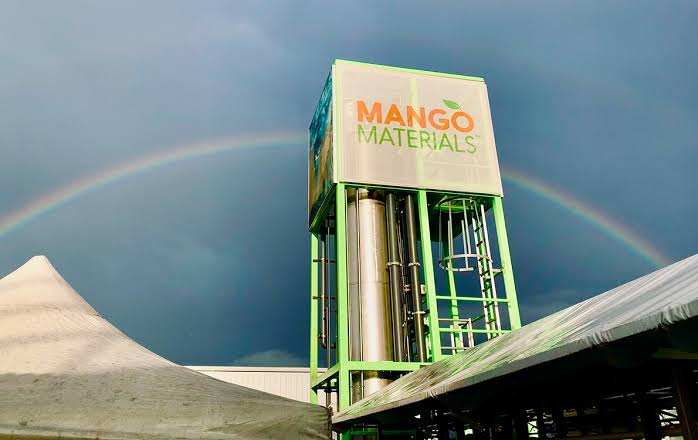
Mango Materials' bioconversion platform, which uses methane as a feedstock to produce biodegradable polymers, offers an interesting benchmark against other methane capture and utilization technologies emerging across the waste, energy and chemical sectors.
For chemical manufacturers, waste-management companies, sustainability teams and procurement professionals, the technology represents a broader shift from simply capturing methane toward turning methane into marketable chemical products.
From Methane Capture to Chemical Production
Traditional methane-management strategies have focused primarily on preventing emissions.
These approaches can include:
Flaring
Gas recovery
Anaerobic digestion
Energy generation
Landfill-gas collection
Methane utilization adds another possibility:
Capture the methane → convert it → sell the resulting product.
This changes the economics of methane management by potentially creating a revenue stream alongside the environmental benefit.
What Mango Materials Brings to the Market
Mango Materials has developed a biological process that uses methane as a carbon source for microorganisms.
The microorganisms convert the methane into polyhydroxyalkanoates (PHAs), a class of biodegradable polymers.
These materials can potentially be used in applications where conventional plastics are currently used.
The significance is that methane is not simply being destroyed.
It is being transformed into a higher-value material.
Why Methane-to-Polymer Is Different
Methane utilization technologies do not all produce the same type of value.
Some systems convert methane into:
Electricity
Heat
Hydrogen
Methanol
Syngas
Synthetic fuels
Chemicals
Polymers
Mango Materials' approach is distinctive because it targets a material product rather than an energy product.
That creates a different commercial proposition.
Biological Conversion vs. Thermal Conversion
Methane can be converted using biological or thermochemical processes.
Thermochemical routes generally require:
High temperatures
Catalysts
Significant energy input
Gas-cleaning systems
Biological conversion operates through microorganisms engineered or selected to consume methane.
The potential advantage is a lower-temperature process.
However, biological systems also face challenges involving:
Methane mass transfer
Microbial productivity
Reactor design
Feedstock consistency
Scale-up
The Value of a Biodegradable Polymer
Producing a polymer rather than fuel can potentially increase the economic value of methane utilization.
A fuel competes primarily on energy economics.
A specialty or biodegradable polymer can compete based on:
Performance
Sustainability
Brand value
Regulatory requirements
Material properties
This can create opportunities for premium pricing if customers value the polymer's environmental attributes.
Landfill Methane Creates an Important Feedstock Opportunity
Landfills are a major source of methane emissions.
Capturing landfill gas and using it as a feedstock for polymer production could create a circular pathway:
Organic waste → methane → PHA → biodegradable product
This is particularly interesting because the process connects waste management with chemical manufacturing.
Instead of treating landfill methane purely as an environmental liability, it can become a potential industrial input.
Wastewater Could Also Become Part of the Equation
Wastewater treatment facilities can generate biogas containing methane.
This creates another potential feedstock source.
For wastewater operators, methane utilization could potentially provide:
The availability of concentrated biogas streams can therefore become an important factor in evaluating project economics.
How It Compares With Flaring
Flaring remains one of the simplest ways to destroy methane when recovery is difficult.
Its primary objective is emissions control rather than product creation.
Methane-to-polymer conversion offers a fundamentally different model.
Instead of:
Methane → combustion → emissions
the objective becomes:
Methane → chemical conversion → polymer
The second pathway has the potential to generate commercial value, although it requires significantly more complex infrastructure.
How It Compares With Energy Generation
Another common approach is using recovered methane to generate electricity or heat.
This can be relatively straightforward where infrastructure already exists.
However, electricity is generally a lower-value commodity than specialty materials.
A methane-to-polymer system therefore competes on a different economic basis.
The key question becomes whether the value of the polymer can justify the additional conversion and processing costs.
Methanol Provides Another Benchmark
Methane-to-methanol technologies are another important area of research and commercialization.
Methanol can serve as:
Compared with methane-to-PHA, methanol production targets a much larger commodity market.
However, PHA potentially offers greater product differentiation because it can compete in the growing biodegradable-materials market.
Hydrogen Creates Another Utilization Route
Methane can also be used to produce hydrogen through processes such as steam methane reforming or methane pyrolysis.
These technologies are attracting attention because hydrogen can support:
Industrial heating
Refining
Chemicals
Transportation
Energy storage
But methane-to-hydrogen and methane-to-polymer technologies ultimately serve very different markets.
This makes the comparison less about which technology is universally better and more about which application creates the strongest economics for a particular methane source.
Scale Remains the Critical Challenge
One of the biggest questions facing biological methane conversion is scale.
Laboratory performance does not automatically translate into commercial economics.
A successful industrial system must demonstrate:
Reliable methane supply
High conversion efficiency
Continuous operation
Competitive production costs
Consistent product quality
Commercial-scale output
The ability to scale economically will determine whether methane-to-PHA can move beyond niche applications.
Feedstock Quality Matters
Methane sources are rarely identical.
Landfill gas and wastewater biogas can contain impurities such as:
Carbon dioxide
Hydrogen sulfide
Moisture
Volatile compounds
These contaminants can affect biological conversion.
Therefore, gas purification and pretreatment can become important components of the overall economics.
Carbon Accounting Will Be Important
For buyers, the environmental value of methane-derived polymers must be carefully evaluated.
Questions include:
Where did the methane originate?
Would the methane otherwise have been released?
How much energy is consumed during conversion?
What happens to the polymer at end of life?
These questions will increasingly influence sustainability claims and customer purchasing decisions.
Procurement Teams Could Benefit
Procurement professionals sourcing sustainable polymers may eventually gain another feedstock option.
Methane-derived PHA could potentially provide an alternative to:
For buyers, important criteria will include:
The Technology Creates a New Supplier Category
Methane-to-material companies sit between several traditional industries.
They combine elements of:
Waste management
Biotechnology
Chemical manufacturing
Plastics
Carbon management
This creates a new type of supplier ecosystem.
Chemical buyers may increasingly need to evaluate companies that do not fit neatly into conventional petrochemical or specialty-chemical categories.
Investors Should Watch Commercialization
For investors, the most important question is no longer simply whether methane can be converted.
That has already been demonstrated through multiple technologies.
The bigger questions are:
Can It Scale?
Can the process operate economically at commercial volumes?
Can It Compete?
Can the resulting polymer compete with conventional materials?
Can Feedstock Be Secured?
Can methane supplies remain consistent over long periods?
Can Premiums Be Maintained?
Will customers pay more for methane-derived biodegradable materials?
The Broader Methane Utilization Race
Mango Materials represents only one pathway within a much larger technology landscape.
The broader methane-utilization ecosystem includes:
Each pathway has different capital requirements, technology risks and potential markets.
The winning technologies may ultimately be those that combine low-cost feedstock, reliable conversion and high-value products.
Looking Ahead
Mango Materials' methane-to-PHA platform provides an important benchmark for the next generation of methane-utilization technologies.
Its most interesting characteristic is the attempt to move beyond emissions management and into value-added chemical production.
If methane from landfills, wastewater or other sources can be consistently converted into commercially competitive biodegradable polymers, the model could connect two major sustainability challenges:
Methane emissions and plastic waste.
For chemical manufacturers, this creates a potential new source of sustainable polymer feedstock.
For waste operators, it could create additional value from captured biogas.
For procurement teams, it could eventually introduce another supplier category into sustainable-material sourcing.
The broader opportunity is clear: methane does not have to remain only a waste-management problem. It can potentially become a chemical feedstock.
Key Takeaways
Mango Materials' platform converts methane into PHA biodegradable polymers, creating a different utilization pathway from methane-to-energy technologies.
Methane utilization can potentially transform an emissions problem into a source of commercial chemical value.
Landfills and wastewater facilities could provide important methane feedstock sources.
Methane-to-polymer competes with alternative pathways including energy, methanol, hydrogen and synthetic fuels.
Biological conversion offers potential advantages but still faces challenges around scale, gas purification and productivity.
Product value and sustainability premiums could be critical to commercial viability.
Procurement teams should evaluate carbon intensity, certification, supply reliability and product performance alongside price.
The technology connects the waste, biotechnology, chemicals and plastics industries.
Commercial-scale economics will ultimately determine how competitive methane-derived polymers become.
The broader methane-utilization race is moving toward technologies that combine emissions reduction with high-value products.