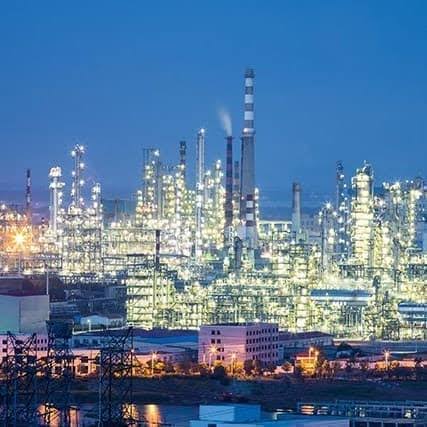
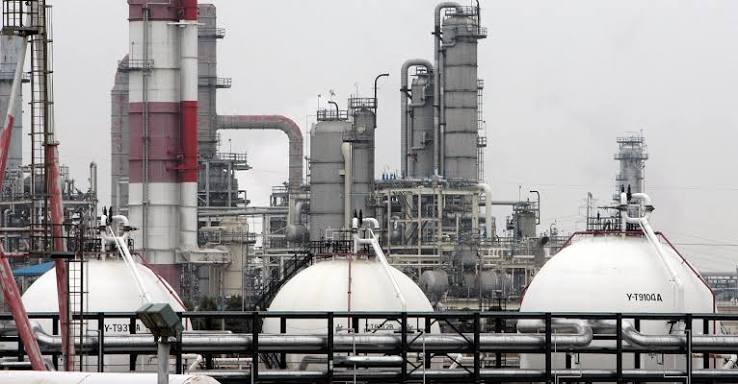
Korea Petrochemical Industry Co plans to shut its cracker in mid-October for a scheduled turnaround, adding one more disruption to a South Korean petrochemical sector already dealing with delayed start-ups and industry consolidation. For buyers sourcing ethylene derivatives out of Northeast Asia, the question is not whether South Korea faces pressure this quarter, but how that pressure compares with the rest of the region.
The short answer is that South Korea currently ranks among the more disrupted suppliers in Asia, though the reasons run deeper than one maintenance shutdown.
What's Driving the KPIC Turnaround
KPIC's mid-October cracker shutdown is a planned maintenance event, not an emergency stoppage. That distinction matters for buyers, since planned turnarounds are easier to schedule around than force majeure declarations.
Still, the timing compounds existing tightness. Industry reporting has flagged that South Korean propylene supply outside China is expected to tighten further because of lower cracker operating rates and reduced output at other regional facilities.
Key elements of the current squeeze:
KPIC's cracker turnaround removes capacity during a quarter already marked by thin margins.
Delayed plant start-ups elsewhere in the country add to buying requirements for ethylene.
Lower operating rates across multiple South Korean crackers reduce the cushion available if another facility goes offline.
The Consolidation Wave Behind the Numbers
South Korea's disruption picture cannot be separated from the structural restructuring the government pushed through in 2025 and 2026. Seoul's plan targets a reduction of roughly 2.7 million to 3.7 million metric tons of ethylene capacity across producers in Ulsan, Daesan and Yeosu.
That restructuring is now visible on the ground. Hyundai Chemical and Lotte Chemical submitted a plan to scale down operations at the Daesan complex, and the two companies have moved to combine some naphtha-cracking units to address oversupply.
LG Chem and GS Caltex are separately discussing consolidating naphtha cracking facilities in Yeosu. Each of these moves reduces near-term flexibility even as it addresses a longer-term overcapacity problem.
How South Korea Compares With Japan
Japan is undergoing a parallel but distinct contraction. Four ethylene crackers are set to close there in the coming years, which will cut the number of operating units from 12 to 8 and reduce national ethylene capacity by nearly 30 percent.
The difference is pacing. Japan's closures are part of a multi-year restructuring, while South Korea's disruptions this quarter combine planned maintenance with active consolidation negotiations happening in real time. That makes South Korea's near-term supply picture noisier, even if Japan's long-run capacity loss is larger in percentage terms.
How South Korea Compares With China and Taiwan
China sits on the opposite side of the regional equation. Its ongoing petrochemical capacity expansion has been described as swamping other Asian producers, putting pricing pressure on South Korean and Japanese exporters rather than creating supply gaps of its own.
Taiwan and Singapore, meanwhile, have faced their own disruptions this year tied to Middle East feedstock flows, including force majeure declarations during the earlier Strait of Hormuz naphtha crunch. Those events were feedstock-driven rather than structural, which sets them apart from South Korea's blend of maintenance timing and consolidation-driven capacity loss.
A rough regional comparison for Q3 2026:
South Korea: planned turnarounds, delayed start-ups and active consolidation combining to tighten near-term supply.
Japan: structural closures reducing long-run capacity, with less immediate quarter-to-quarter volatility.
China: expanding capacity, creating downward pricing pressure on regional peers rather than shortages.
Taiwan and Singapore: feedstock-driven disruption risk tied to Middle East naphtha flows earlier in 2026, now largely stabilizing.
What Buyers Should Do Now
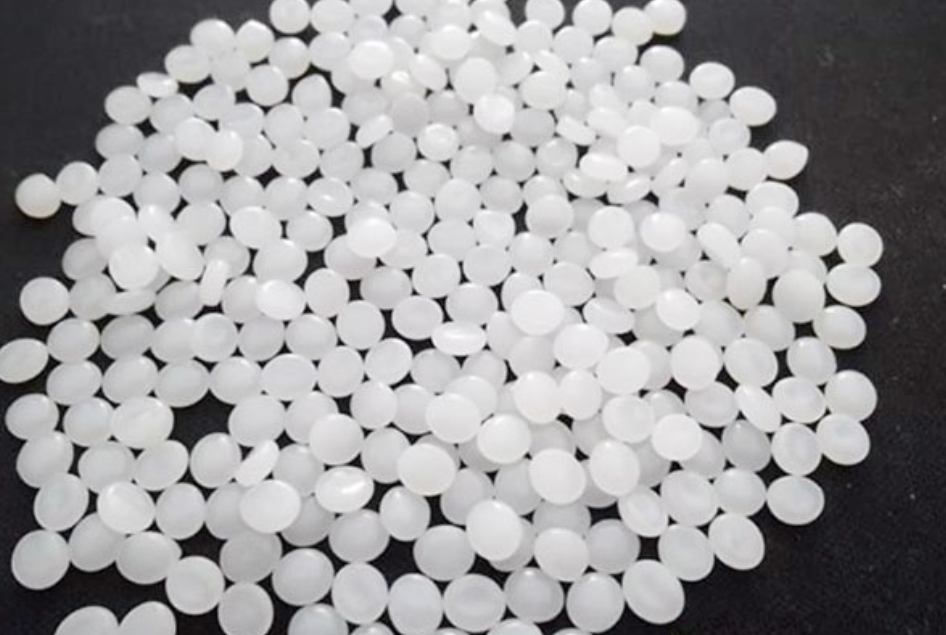
Procurement teams sourcing ethylene, propylene or downstream polymers like HDPE and polypropylene from South Korea should treat Q3 as a period requiring closer supplier communication rather than a full sourcing shift.
Practical steps worth taking:
Confirm KPIC's turnaround timeline directly with suppliers, since planned maintenance schedules can shift.
Ask Yeosu and Daesan-linked suppliers about consolidation timing, as combined units may temporarily affect allocation.
Diversify polymer sourcing toward Chinese capacity where quality specifications allow, given the pricing pressure Chinese expansion is putting on the region.
Build in buffer lead times for Q4 orders, since overlapping maintenance and restructuring events reduce the system's ability to absorb a second disruption.
The Bottom Line for Procurement Teams
South Korea's Q3 2026 petrochemical disruptions reflect a country managing planned maintenance and structural overcapacity reduction at the same time. That combination puts it near the top of the region's disruption list this quarter, even without a Hormuz-style feedstock shock behind it.
Buyers who track KPIC's October turnaround alongside the Yeosu and Daesan consolidation timelines will be better positioned heading into Q4, when several of these overlapping issues are due to come to a head.