The current geopolitical escalation has directly touched Iran, the US, Kuwait, the UAE, Oman, Jordan, Saudi Arabia and Yemen. This expanded footprint significantly outpaces the more contained reach of the original crisis. For chemical traders and procurement managers, ranking this geographic spread is essential for accurate risk assessment. The widening regional conflict threatens multiple critical maritime chokepoints simultaneously. Supply chains that previously relied on localized disruptions are now facing systemic vulnerabilities. Buyers must evaluate how this broader theater of operations impacts feedstock availability, freight routing and overall market stability. Proactive adaptation to this expanded risk matrix is no longer optional.
Analysts must rank the current escalation against historical baselines to gauge true severity. The original crisis remained largely confined to specific maritime corridors. The current situation involves direct impacts across eight distinct nations. This widespread involvement multiplies the potential for supply chain bottlenecks.
Chemical production hubs in Kuwait, the UAE and Saudi Arabia face direct operational threats. Transit routes through Oman and the Red Sea experience heightened security risks. The involvement of the US and Jordan further complicates diplomatic and logistical resolutions. Market participants can no longer rely on localized containment strategies.
Chokepoint Vulnerabilities in Chemical Logistics
The widening conflict footprint targets multiple vital shipping arteries. The Strait of Hormuz remains a primary concern for naphtha and ethane exports. However, the Red Sea now presents an equally severe disruption vector.
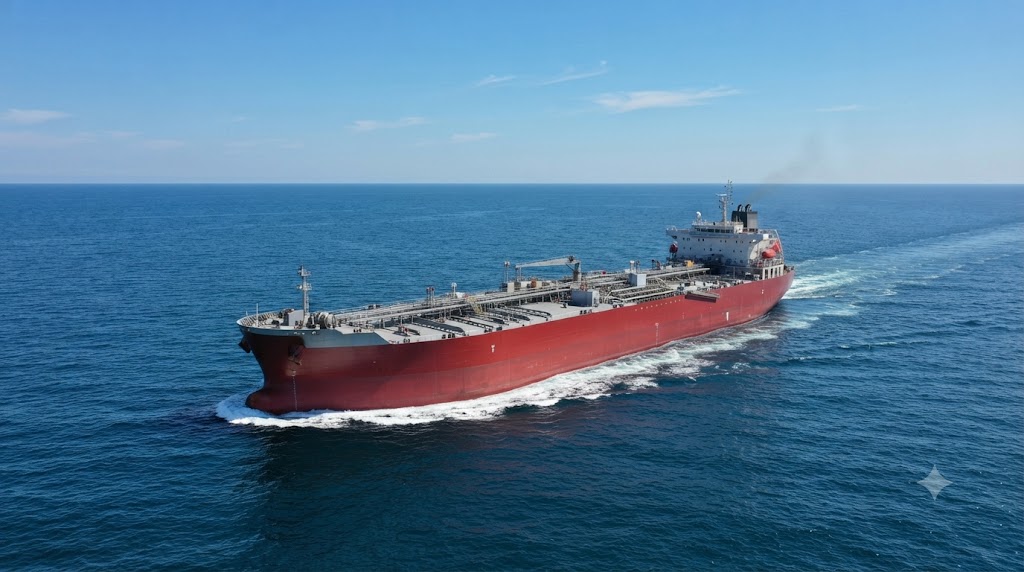
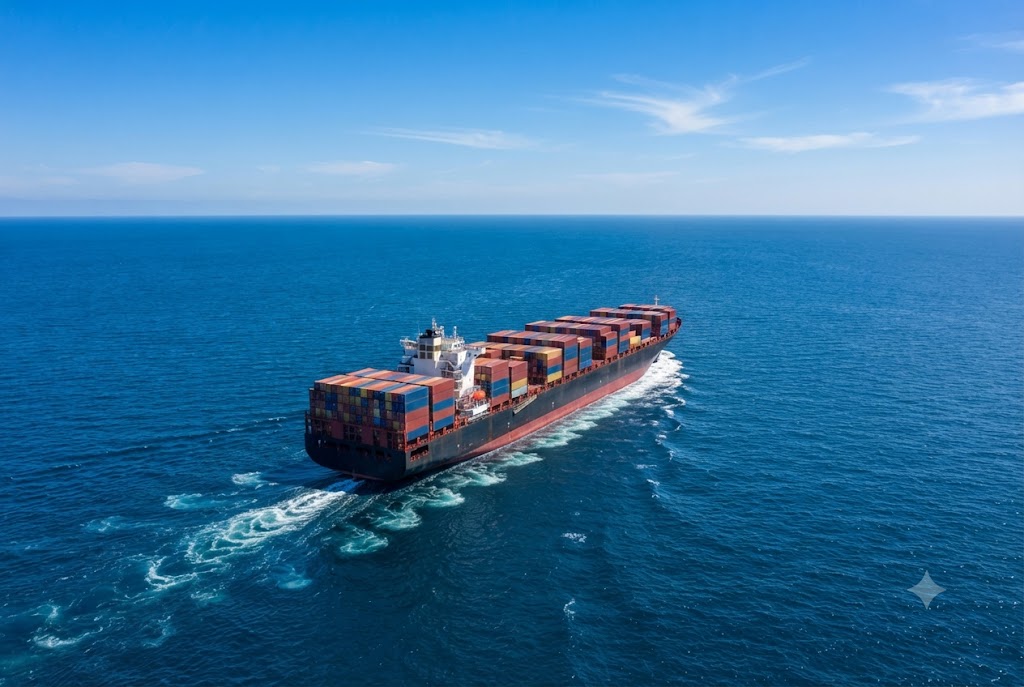
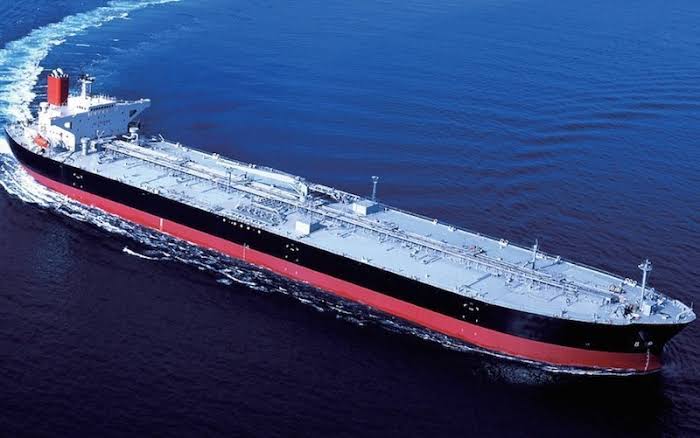
Vessels transporting polyethylene and styrene monomer must navigate this dual-threat environment. Rerouting around the Cape of Good Hope adds weeks to transit times. This extended journey traps critical chemical inventory on the water and inflates working capital requirements.
Feedstock Availability and Production Constraints
Regional producers operate under severe stress when multiple nations face simultaneous instability. Power grids and water desalination plants supporting chemical complexes experience frequent disruptions. These utility failures force emergency shutdowns of sensitive chemical reactors.
Naphtha yields drop: Refineries prioritize domestic fuel security over chemical feedstock exports.
Ethylene production stalls: Crackers cannot maintain safe operating temperatures during power fluctuations.
Methanol shipments delay: Port congestion in affected nations halts bulk loading operations.
Polymer output contracts: Manufacturers reduce operating rates to preserve equipment integrity during utility shortages.
Freight Rate Volatility and Insurance Premiums
Maritime logistics face extreme pressure as shipping lines avoid contested waters. Operators demand massive risk premiums for any voyage near conflict zones. Bunker fuel costs rise due to longer alternative routing requirements.
Insurance underwriters declare multiple straits absolute exclusion zones. Standard marine cargo policies void coverage for vessels attempting passage. Buyers must secure specialized war risk insurance at prohibitive costs.
Downstream Manufacturing and Demand Shifts
Downstream manufacturers rely on consistent resin and feedstock deliveries. A sudden spike in landed costs forces these facilities to absorb the difference. Both scenarios damage overall market competitiveness across the chemical sector.
The preserved cost structure allows converters to maintain current pricing models. Packaging, automotive and construction sectors can proceed with material planning without sudden budget shocks. Procurement managers in these downstream sectors must negotiate with greater confidence.
Regulatory Scrutiny and Reporting Requirements
Governments are tightening emissions reporting mandates aggressively. The European Union includes maritime transport in its emissions trading system. Voyages calling at EU ports must purchase carbon allowances for their journeys.
The extended route increases the total allowances required per shipment. Chemical importers bear a significant portion of this new regulatory cost. Suppliers must provide detailed emissions data for every single voyage.
Failure to report accurately results in heavy financial penalties. Buyers must demand transparent documentation from their logistics partners. Auditors will scrutinize these records during annual compliance checks.
Evaluating Alternative Feedstock and Processing Routes
Chemical producers are actively exploring alternative processing routes to bypass distant infrastructure. Some facilities are investing in localized production capabilities. This reduces their reliance on long-distance maritime imports.
Others are securing dedicated supply contracts with regional manufacturers. These partnerships minimize transit distances and lower the overall carbon footprint. Buyers should inquire about these resilience investments during supplier audits.
Facilities with robust local supply chains represent lower logistical risk. This due diligence step is critical for maintaining uninterrupted production. Downstream manufacturers rely on consistent chemical deliveries to maintain their own production schedules.
Strategic Sourcing Adjustments for Procurement Teams
Chemical buyers cannot control geopolitical conflicts. They must proactively adapt their sourcing strategies to mitigate exposure. Diversification remains the most effective defense against regional supply shocks.
Qualify alternative suppliers. Sourcing chemicals from North American or European producers reduces exposure to a single maritime chokepoint. This geographic spread minimizes the impact of regional regulatory actions.
Renegotiate Incoterms. Shift from free on board to cost, insurance and freight terms where possible. This transfers the transit risk to the supplier during the most vulnerable shipping phases.
Build strategic inventory buffers. Holding additional safety stock protects against sudden delivery delays. The carrying cost of extra inventory is often far lower than the financial impact of a production halt.
Implement flexible contract structures. Use hybrid pricing models that share freight volatility risk transparently. This prevents sudden financial shocks when geopolitical events trigger price spikes.
What Buyers Should Do Now
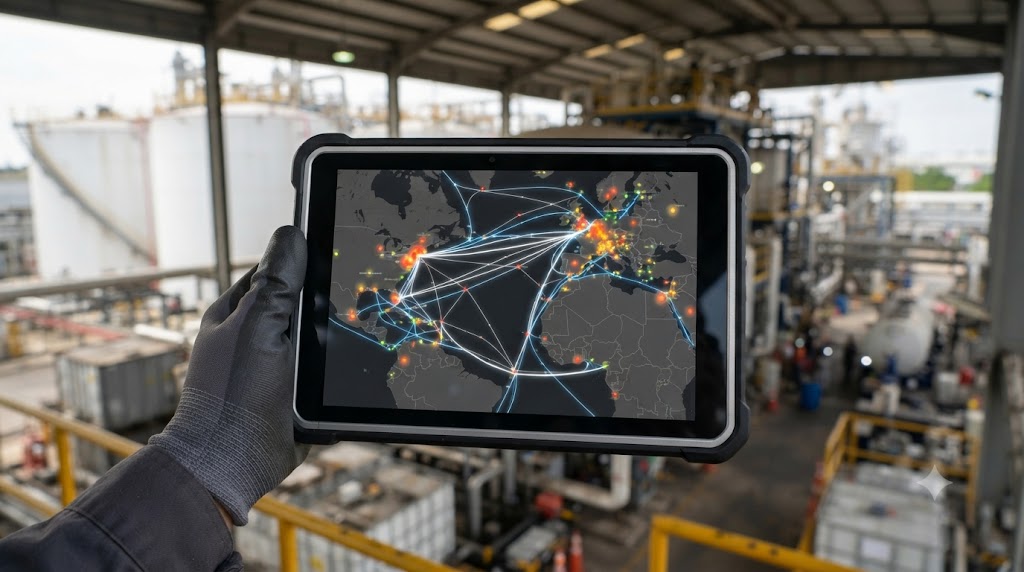
The expanded conflict footprint signals a dangerous escalation in global chemical supply chain risks. Procurement professionals must treat geopolitical monitoring as a core business priority. Audit your current supply network for single-point exposure immediately.
Verify vessel tracking protocols and emissions compliance for all active shipments. Engage suppliers in transparent discussions about their specific contingency plans. Building resilient sourcing networks requires decisive action before a crisis peaks.
The organizations that secure alternative supply routes now will maintain production continuity. Others will face severe operational and financial consequences. Ready to source High Density Polyethylene (HDPE) from verified global suppliers? Explore competitive offers on our platform today.