Rep. Gluesenkamp Perez Leads Push Against Chemical Safety Funding Cuts After Plant Accident
Introduction
Following a recent chemical plant accident, renewed attention has been placed on the importance of adequately funding chemical safety oversight and accident prevention programs. Representative Marie Gluesenkamp Perez has joined efforts calling for the protection of funding dedicated to chemical safety, emphasizing that strong regulatory oversight and effective investigation agencies play a vital role in preventing future industrial incidents.
The discussion reflects a broader industry debate about balancing industrial growth with workplace safety, environmental protection, and public accountability. For chemical manufacturers, maintaining robust safety systems is not only a regulatory obligation but also a critical component of operational resilience and long-term business success.
Why Chemical Safety Funding Matters
Chemical manufacturing involves handling hazardous substances under complex operating conditions. Effective safety oversight requires sufficient resources for inspections, investigations, training, and technical support.
Government funding helps support:
Accident investigation programs
Process safety research
Regulatory inspections
Worker safety initiatives
Emergency preparedness planning
Safety guidance for manufacturers
Continuous improvement of industry standards
Well-funded safety programs contribute to safer workplaces while helping manufacturers identify and address operational risks before they result in major incidents.
The Impact of Chemical Plant Accidents
Industrial accidents can have far-reaching consequences beyond the immediate facility.
Potential impacts include:
Worker Safety
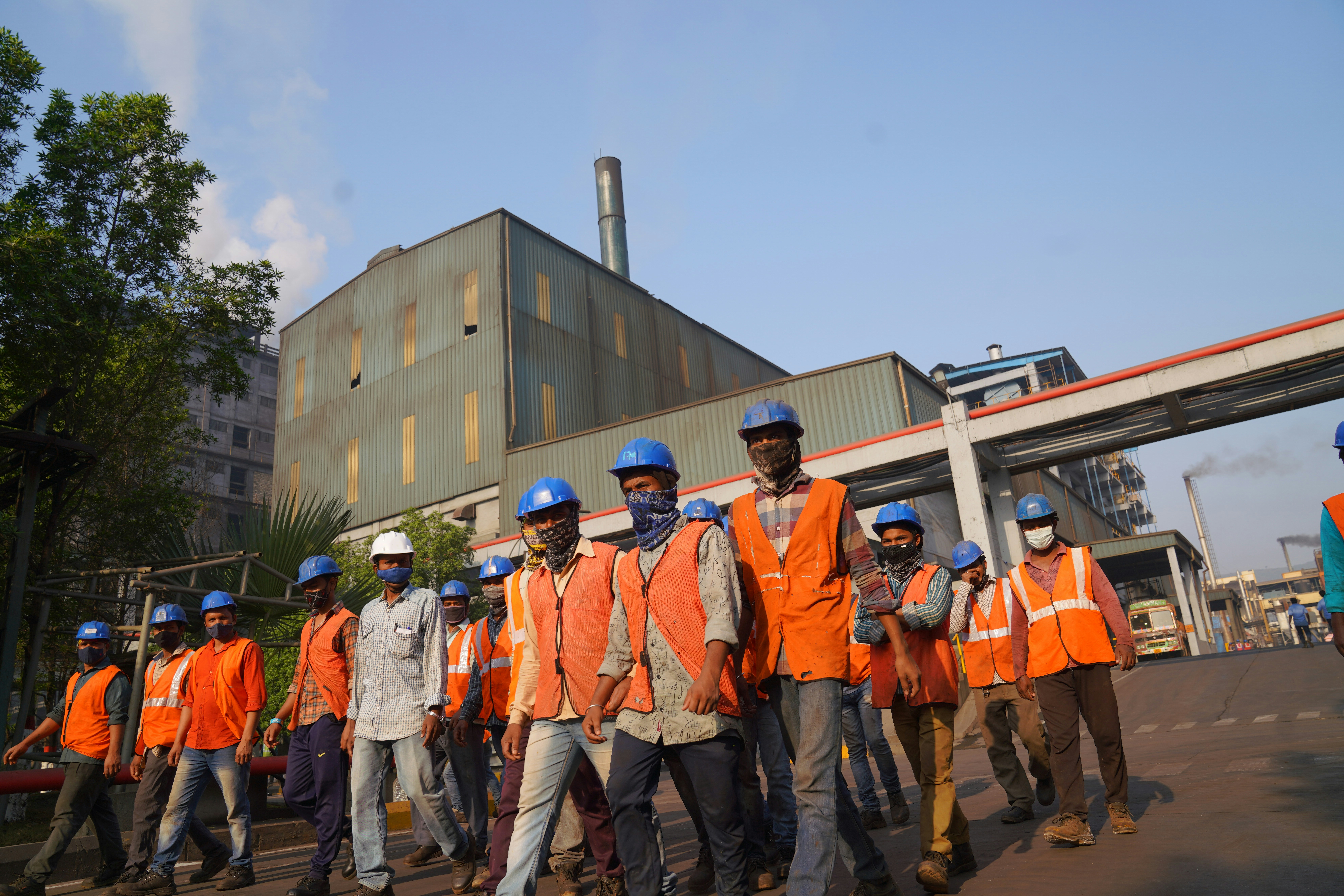
Protecting employees remains the highest priority, as chemical incidents can result in serious injuries or fatalities.
Environmental Damage
Chemical releases may affect air quality, water resources, and surrounding ecosystems, requiring extensive remediation efforts.
Operational Disruptions
Production shutdowns during investigations can interrupt manufacturing schedules and delay customer deliveries.
Financial Consequences
Companies may face increased insurance costs, regulatory penalties, legal liabilities, and reputational damage following major incidents.
The Role of Regulatory Agencies
Regulatory bodies and independent investigation organizations help improve chemical safety by examining accidents, identifying root causes, and recommending corrective actions.
Their responsibilities often include:
Investigating industrial accidents
Publishing safety recommendations
Monitoring regulatory compliance
Promoting best practices
Supporting industry education
Encouraging continuous safety improvements
These efforts contribute to reducing future risks across the chemical manufacturing sector.
Strengthening Process Safety Management
Regardless of regulatory developments, chemical companies are expected to maintain comprehensive process safety programs.
Essential components include:
Hazard identification and risk assessment
Process Safety Management (PSM)
Mechanical integrity inspections
Preventive maintenance
Permit-to-work systems
Employee competency and training
Emergency response planning
Management of change procedures
Strong process safety systems help minimize operational hazards while supporting regulatory compliance.
Technology's Growing Role in Plant Safety
Digital technologies continue to improve chemical plant safety through enhanced monitoring and predictive capabilities.
Increasingly adopted solutions include:
AI-powered predictive maintenance
Industrial Internet of Things (IIoT) sensors
Real-time process monitoring
Automated gas detection systems
Digital safety management platforms
Drone-based facility inspections
Predictive analytics for risk identification
These technologies allow manufacturers to detect abnormal operating conditions earlier and respond before incidents escalate.
What Procurement and Supply Chain Teams Should Consider
Safety incidents and regulatory changes can directly affect supplier reliability and production continuity.
Procurement professionals should evaluate:
Supplier safety performance
Regulatory compliance history
Business continuity plans
Emergency response capabilities
Environmental, Social, and Governance (ESG) performance
Alternative sourcing options for critical materials
Including safety metrics in supplier evaluations helps strengthen supply chain resilience and reduce operational risk.
Looking Ahead
The renewed focus on chemical safety funding underscores the industry's ongoing commitment to protecting workers, surrounding communities, and the environment. Continued investment in regulatory oversight, workforce training, and advanced safety technologies is expected to strengthen accident prevention efforts while supporting sustainable industrial growth.
Companies that proactively invest in safety culture, compliance, and modern risk management systems will be better positioned to meet evolving regulatory expectations and maintain long-term operational excellence.
Conclusion
The push to preserve chemical safety funding following a recent plant accident highlights the importance of maintaining strong oversight and continuous investment in industrial safety. For chemical manufacturers, effective process safety management is essential not only for regulatory compliance but also for protecting employees, ensuring reliable operations, and sustaining public trust.
As the chemical industry continues to grow, collaboration between policymakers, regulators, and manufacturers will remain critical to building safer, more resilient, and more sustainable production environments.