The food industry is witnessing a decisive pivot away from synthetic food dyes, driven by retailer pledges that set hard deadlines for 2026 and 2027. These commitments are not mere marketing buzz; they represent concrete changes in ingredient specifications, supply chain dynamics, and product development timelines. Manufacturers must now navigate a landscape where natural food colors and clean‑label credentials are not optional, but mandatory for shelf space in leading grocery chains.
The Landscape of Synthetic Food Dyes
What Are Synthetic Food Dyes?
Synthetic food dyes, often derived from petroleum or coal tar, have long been used to enhance the visual appeal of snacks, beverages, and desserts. While they offer vivid hues and stability, concerns over health implications and consumer demand for transparency have spurred scrutiny.
Regulatory Context
In many markets, synthetic dyes such as Red 40, Yellow 5, and Blue 1 are permitted under strict labeling guidelines. However, regulatory bodies in the EU and emerging markets are tightening restrictions, and consumer advocacy groups are pressing for clearer labeling of synthetic additives.
Key Retailer Commitments
Major Pledges and Deadlines
2026 Deadline: 70% of product lines must eliminate synthetic dyes.
2027 Deadline: Remaining 30% of products must transition to approved natural colorants.
Clean‑Label Requirement: All ingredients must be listed in the original packaging language решение.
Retailer Drivers
Retail chains such as Walmart, Kroger, and Target have announced these goals to align with consumer expectations forVirgin natural ingredients and to reduce shelf‑age risks associated with synthetic dyes. Their commitments also aim to streamline supply chain transparency and reduce the risk of recall due to mislabeled additives.
Impact on Ingredient Sourcing
Shift Toward Natural Color Additives
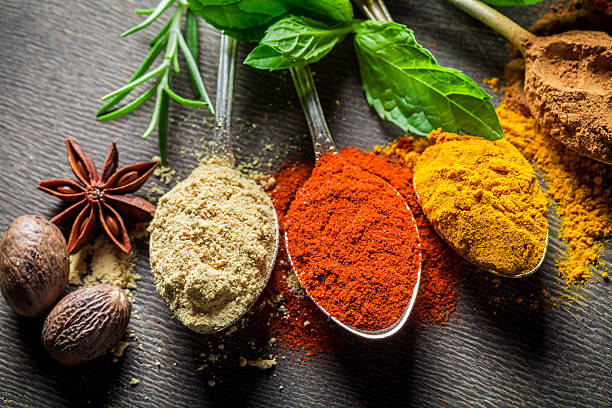
Natural food colors—derived from plant pigments, mineral extracts, or microbial fermentation—are now the default. Popular choices include beetroot extract for reds, turmeric for yellows, and annatto for oranges.
Supply Chain Complexity
Unlike synthetic dyes, natural colorants often have seasonal availability, variable yields, and higher unit costs. Manufacturers must establish long‑term contracts with growers, invest in extraction facilities, or partner with specialized suppliers to ensure consistency.
Cost Implications
While the unit cost of natural dyes is typically 2–3 times higher than synthetic equivalents, the overall cost impact is mitigated by economies of scale and reduced waste from improved shelf stability. Companies also benefit from a premium pricing strategy as consumers are willing to pay more for clean‑label products.
Maintaining Color Intensity and Stability
Natural pigments can fade under heat, light, or acidic conditions. Reformulators must balance color intensity with product stability, often combining multiple natural colors or adding stabilizers like citric acid.
Texture and Flavor Adjustments
Some natural dyes introduce subtle off‑flavors or alter textural attributes. Adjustments to sweeteners, fats, or emulsifiers may be required to preserve the original sensory profile.
Regulatory Compliance Across Regions
Each region has its own list of approved natural colorants. Manufacturers must verify that their chosen additives are permissible in every market where the product will be sold, or risk regulatory delays.
Compliance Planning Strategies
Early Ingredient Audits
Companies should conduct a comprehensive audit of all product lines to identify synthetic dye usage. This baseline informs prioritization of reformulation projects.
Supplier Qualification Programs
Developing a supplier qualification framework ensures that natural colorants meet safety, quality, and traceability standards. Audits, certifications, and performance metrics should be documented.
Phase 1 (2024‑2025): Target high‑volume, low‑margin products for dye elimination.
Phase 2 (2026): gay 70% of product lines to natural dyes, using pilot testing to refine formulations.
Phase 3 (2027): Complete transition, validate shelf‑life, and update labeling.
Labeling and Packaging Updates
Transitioning to natural dyes often requires updated ingredient lists and front‑label claims. Packaging design should reflect clean‑label messaging to reinforce consumer trust.
Case Study: Nestlé USA
Nestlé USA has publicly committed to removing synthetic dyes from 80% of its product portfolio by 2026. The company’s strategy includes:
Partnering with agritech firms to secure year‑round supply of beetroot and turmeric extracts.
Investing in extraction technology to reduce processing costs.
Launching a consumer education campaign highlighting the health benefits of natural coloring.
مؤكـه النـشـاء و أميـة نـسـتـةـلـيـا USA to achieve a 90% compliance rate by the end of 2027, positioning itself as a leader in sustainable packaging and ingredient transparency.
Future Outlook
The momentum toward natural colorants is expected to accelerate, with emerging technologies such as microbial pigment production and algae‑derived dyes offering lower-cost, higher‑yield alternatives. Retailers may introduce even stricter requirements, potentially phasing out all synthetic colorants by 2030. Companies that invest early in supply chain resilience and reformulation expertise will not only meet compliance but can capitalize on the growing clean‑label premium.