Rupee Depreciation Adds a New Cost Variable to Indian API Exports
Introduction
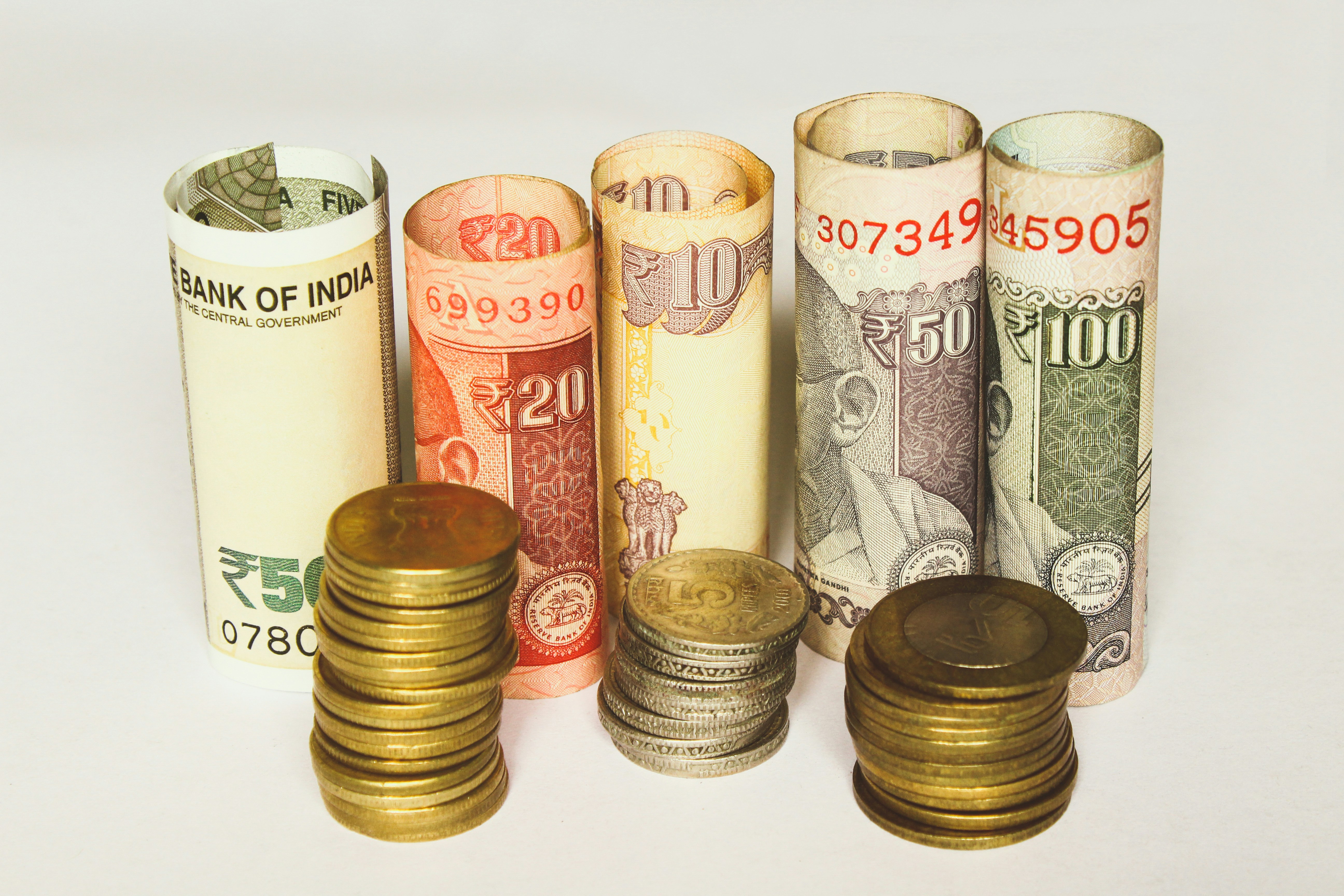
The depreciation of the Indian rupee is emerging as an important cost variable for India's Active Pharmaceutical Ingredient (API) export industry. As one of the world's largest producers and exporters of pharmaceutical ingredients, India's competitiveness is closely tied to exchange rate movements, imported raw material costs, and global demand.
While a weaker rupee can improve export competitiveness by increasing the value of foreign currency earnings, it also raises the cost of imported chemicals, solvents, intermediates, and manufacturing equipment. For pharmaceutical manufacturers and global buyers, the net impact depends on how effectively companies manage currency volatility and supply chain costs.
Why Currency Movements Matter for API Exports
Indian pharmaceutical manufacturers operate in a globally integrated supply chain. Many APIs are exported in U.S. dollars, while a significant portion of raw materials and intermediates is imported from international suppliers.
A depreciating rupee influences:
Export revenue earned in foreign currencies.
Import costs for pharmaceutical intermediates.
Prices of specialty chemicals and solvents.
Manufacturing and operational expenses.
Overall landed costs for international buyers.
As a result, exchange rate fluctuations have become an increasingly important factor in procurement and pricing decisions.
Opportunities Created by a Weaker Rupee
A weaker domestic currency can provide short-term advantages for exporters by improving international price competitiveness.
Potential benefits include:
Higher export earnings when converted into rupees.
More competitive API pricing in global markets.
Improved profit margins for companies with limited import exposure.
Greater opportunities to expand into price-sensitive export markets.
Enhanced competitiveness against manufacturers in other regions.
These benefits are particularly valuable for companies with strong domestic sourcing capabilities.
Rising Costs Offset Some Export Gains
The advantages of currency depreciation are not universal. Many Indian API manufacturers rely on imported raw materials, specialty chemicals, and key starting materials (KSMs), making them vulnerable to higher input costs.
Areas affected include:
Pharmaceutical intermediates.
Specialty solvents.
Laboratory reagents.
Manufacturing equipment and spare parts.
Packaging materials.
Energy and logistics expenses linked to imported inputs.
For manufacturers with significant import dependence, these higher costs may partially offset the gains from stronger export revenues.
Implications for Global Pharmaceutical Buyers
International pharmaceutical companies sourcing APIs from India should monitor currency trends as part of their procurement strategy.
Key considerations include:
Potential changes in supplier pricing.
Contract renegotiations linked to exchange rates.
Fluctuations in landed costs.
Lead-time adjustments resulting from changing procurement decisions.
Supplier margin pressures that could influence production planning.
Understanding exchange rate dynamics helps buyers make more informed sourcing decisions.
Procurement Strategies in a Volatile Currency Environment
Procurement teams can reduce the impact of currency fluctuations by adopting proactive risk management strategies.
Recommended actions include:
Diversify Supplier Networks
Reduce dependence on a single supplier or geographic region to improve sourcing flexibility.
Monitor Currency Trends
Track exchange rate movements alongside raw material and freight costs when evaluating supplier quotations.
Strengthen Long-Term Supply Agreements
Negotiate contracts that include transparent pricing mechanisms and clearly defined terms for managing currency volatility.
Evaluate Total Landed Costs
Consider freight, insurance, duties, logistics, and exchange rates—not just the quoted API price.
Encourage Supply Chain Transparency
Work closely with suppliers to understand how currency movements affect production costs and delivery schedules.
What the Industry Should Watch
As currency markets remain volatile, pharmaceutical companies should continue monitoring:
Indian rupee exchange rate trends.
Prices of imported pharmaceutical intermediates.
Freight and logistics costs.
API export demand from major global markets.
Government trade and export policies.
Raw material availability across Asia.
Global pharmaceutical manufacturing activity.
These indicators will help organizations anticipate pricing changes and adjust procurement strategies accordingly.
Conclusion
The depreciation of the Indian rupee introduces both opportunities and challenges for the country's API export industry. While a weaker currency can strengthen export competitiveness and improve foreign revenue, higher costs for imported raw materials and manufacturing inputs may reduce these advantages.
For pharmaceutical manufacturers, procurement leaders, and international buyers, effective currency risk management is becoming an essential part of supply chain strategy. Companies that combine diversified sourcing, long-term supplier partnerships, and continuous monitoring of exchange rate movements will be better positioned to maintain cost competitiveness and ensure reliable pharmaceutical ingredient supply.