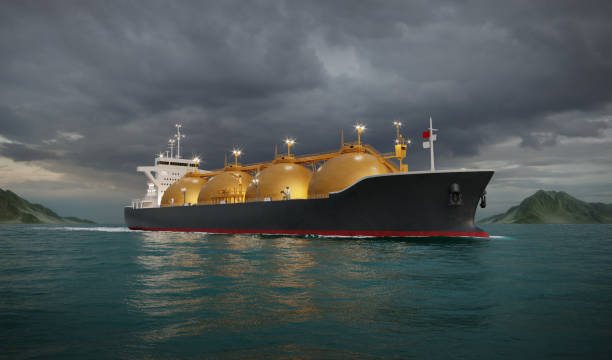
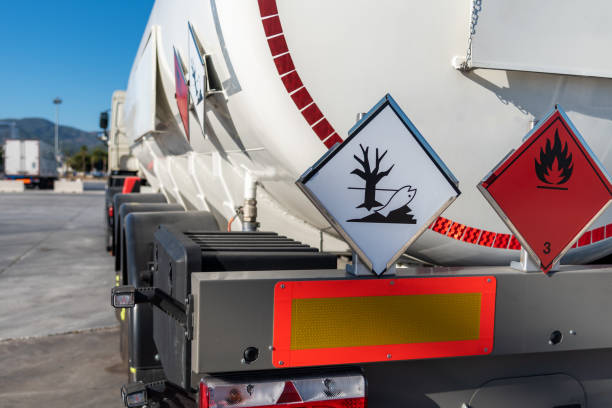
The European Union’s Seveso III Directive (2012/18/EU) was designed to reduce the risk of major accidents involving dangerous substances. While its primary focus is on industrial sites, the directive also imposes significant obligations on the transport of hazardous chemicals. These obligations touch on carrier responsibilities, emergency preparedness, and communication between regulated facilities and transport operators.
Seveso III Directive: A Quick Overview
Seveso III expands the scope of the earlier Seveso II Directive by covering more types of hazardous substances, tightening limits on stored quantities, and requiring a more robust emergency response plan. The directive also mandates that facilities provide the competent authority with detailed information on the chemicals they handle and that shareholder groups be informed about the risks.
Impact on Hazardous Chemical Transport
Transport of dangerous goods is regulated by a combination of EU directives (Seveso igles, ADR, and the Regulation on the Use of Certain Transport Documents). Seveso III adds a layer of scrutiny by linking the safety of transported goods to the safety management of the source facility. Key impacts include:
Risk Assessment Alignment – Carriers must ensure that the risk assessment performed at the facility matches the transport risk profile of the shipment.
Transport Safety Audit – Facilities and carriers must cooperate on audits that verify compliance with both Seveso III and ADR standards.
Documentation Harmonisation – Transport documents (e.g., Safety Data Sheets, ADR declaration) must reference the Seveso III risk classification for the cargo.
Carrier Responsibilities Under Seveso III
Carriers are now expected to:
Verify that the quantity and type of hazardous substances do not exceed the limits set by the facility’s Seveso III classification.
Maintain up‑to‑date training records for drivers and emergency personnel on the specific hazards of the cargo.
Co‑operate in the development and maintenance of an emergency response plan that incorporates both the facility’s and the carrier’s procedures.
Report any deviations or incidents promptly to the competent authority and the facility’s emergency contact.
Emergency Response & Communication Requirements
The directive places a strong emphasis on communication between regulated sites and transport operators:
Pre‑Transport Briefings – Prior to each shipment, carriers must receive a briefing that includes the facility’s emergency contact details, the specific hazard class, and any known containment measures.
Real‑Time Alerts – In the event of a spill or other incident en route, the carrier must use the facility’s emergency call‑in protocol to initiate a coordinated response.
Post‑Incident Reporting – Both parties must submit a joint report to the competent authority within 48 hours, detailing the incident, actions taken, and any environmental impact.
Seveso III and ADR Compliance: A Dual‑Framework Approach
While ADR sets the baseline for the transport of dangerous goods, Seveso III drives a more stringent safety culture around the sourceщиков of the goods. The two frameworks intersect in areas such as:
Classification of Hazardous Substances – ADR class numbers must align with Seveso III hazard categories.
Packaging and Labeling Standards – Seveso III requires additional labeling for high‑risk substances that may not be covered by ADR alone.
Incident Reporting Systems – Both directives mandate a rapid notification system, but Seveso III extends the reporting window to cover environmental contamination and long‑term health risks.
Practical Implications for Chemical Logistics Professionals
To comply with Seveso III, logistics teams should adopt the following best practices:
Integrated Risk Management – Combine Seveso III risk assessments with ADR transport plans to create a single, coherent safety document.
Technology‑Enabled Tracking – Use GPS and telematics to monitor the route and ensure that the vehicle remains within acceptable exposure limits.
Regular Training & Audits – Conduct quarterly training sessions for drivers and emergency responders, and schedule annual audits that include both Seveso III and ADR criteria.
Stakeholder Collaboration – Establish a joint task force between the facility, carrier, and local emergency services to review procedures and conduct scenario drills.
Seveso III elevates the safety expectations for hazardous chemical transport by binding facility safety management to carrier operations. By aligning risk assessments, enhancing emergency communication, and integrating ADR compliance, logistics professionals can ensure that hazardous goods move safely across borders while meeting the rigorous standards set by the directive. Staying ahead of these requirements not only protects communities but also safeguards the reputation and legal standing of companies involved in chemical logistics.