Sodium-Ion Storage Enters the Mainstream European Market for the First Time
Introduction
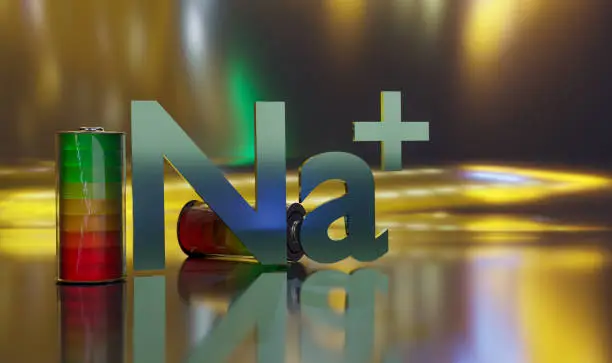
Europe's energy storage market has reached a significant milestone with the commercial deployment of sodium-ion battery energy storage systems (BESS). Once viewed as an emerging alternative to lithium-ion technology, sodium-ion batteries are now entering mainstream applications, reflecting growing confidence in their commercial viability for stationary energy storage.
For specialty chemical manufacturers, battery material suppliers, and procurement professionals, this development signals a new phase in Europe's battery ecosystem. As utilities, renewable energy developers, and industrial customers seek safer, more cost-effective, and diversified energy storage solutions, sodium-ion technology is poised to become an important complement to lithium-ion batteries.
Why This Is a Milestone for Europe
Europe has invested heavily in expanding renewable energy generation while strengthening its battery manufacturing capabilities. However, concerns over the availability and pricing of critical minerals such as lithium, nickel, and cobalt have encouraged the search for alternative battery chemistries.
The commercial introduction of sodium-ion storage demonstrates:
Growing confidence in alternative battery technologies
Increased diversification of battery supply chains
Stronger support for renewable energy integration
Reduced dependence on critical raw materials
Greater resilience for Europe's energy infrastructure
This transition reflects Europe's broader strategy to build a secure, sustainable, and competitive energy storage market.
Understanding Sodium-Ion Technology
Sodium-ion batteries operate using sodium ions instead of lithium ions to store and release energy. While they generally offer lower energy density than lithium-ion batteries, they provide several advantages that make them particularly attractive for stationary storage applications.
Key benefits include:
Abundant and widely available raw materials
Lower dependence on lithium, cobalt, and nickel
Competitive manufacturing costs
Improved thermal stability
Enhanced operational safety
Reliable performance across varying temperatures
Because grid-scale storage prioritizes cost, safety, and cycle life over compact size, sodium-ion batteries are well suited for renewable energy projects and stationary applications.
Implications for the Specialty Chemicals Industry
The expansion of sodium-ion battery production creates new opportunities throughout the specialty materials value chain.
Sodium-Based Cathode Materials
Demand for sodium-compatible cathode materials is expected to grow as manufacturers expand commercial production.
Electrolytes
Battery-grade electrolytes specifically formulated for sodium-ion chemistries represent an emerging area of innovation and investment.
Functional Additives
Specialty additives that improve conductivity, cycle life, and battery stability will remain critical to advancing sodium-ion performance.
Polymer and Separator Materials
Advanced separator films, binders, and polymer components continue to play a vital role regardless of battery chemistry, creating sustained opportunities for specialty material suppliers.
What Procurement Teams Should Monitor
Procurement professionals involved in battery manufacturing and energy storage projects should closely track developments in sodium-ion technology.
Key considerations include:
Commercial production capacity
Availability of battery-grade sodium materials
Technology qualification timelines
Supplier diversification
Long-term pricing trends
Manufacturing scale-up across Europe
Monitoring these indicators will help organizations prepare sourcing strategies as sodium-ion adoption accelerates.
Expanding Applications Beyond Renewable Energy
Although renewable energy integration is expected to drive initial demand, sodium-ion batteries have the potential to support a wide range of stationary energy storage applications.
These include:
Utility-scale battery storage
Commercial and industrial energy storage
Residential battery systems
Microgrids
Backup power infrastructure
Grid balancing and frequency regulation
The versatility of sodium-ion technology is expected to broaden its role within Europe's evolving energy landscape.
Challenges to Widespread Adoption
Despite growing momentum, sodium-ion batteries still face several challenges before achieving large-scale market penetration.
Industry participants should monitor:
Lower energy density compared with lithium-ion batteries
Limited large-scale manufacturing capacity
Continued research into material optimization
Supply chain development for specialized components
Competition from established battery technologies
Addressing these challenges will be essential for expanding commercial adoption over the coming years.
Strategic Outlook
The mainstream adoption of sodium-ion storage represents an important evolution in Europe's battery strategy. Rather than replacing lithium-ion batteries, sodium-ion technology is expected to complement existing battery chemistries by serving applications where cost efficiency, supply security, and safety are prioritized.
For specialty chemical producers, battery manufacturers, and procurement teams, the transition creates opportunities to diversify product portfolios, establish new supplier relationships, and participate in a rapidly expanding market for next-generation battery materials.
Conclusion
The entry of sodium-ion storage into Europe's mainstream energy market marks a defining moment for the battery industry. By offering an alternative to lithium-ion technology, sodium-ion batteries strengthen supply chain resilience, support renewable energy integration, and reduce dependence on critical minerals.
For the specialty chemicals sector, this milestone opens new opportunities across cathode materials, electrolytes, functional additives, and advanced battery components. Organizations that monitor technology developments and adapt their procurement and investment strategies early will be well positioned to capitalize on the next phase of Europe's energy storage transformation.
Sodium-Ion Storage Enters the Mainstream European Market for the First Time
Introduction
Europe's energy storage market has reached a significant milestone with the commercial deployment of sodium-ion battery energy storage systems (BESS). Once viewed as an emerging alternative to lithium-ion technology, sodium-ion batteries are now entering mainstream applications, reflecting growing confidence in their commercial viability for stationary energy storage.
For specialty chemical manufacturers, battery material suppliers, and procurement professionals, this development signals a new phase in Europe's battery ecosystem. As utilities, renewable energy developers, and industrial customers seek safer, more cost-effective, and diversified energy storage solutions, sodium-ion technology is poised to become an important complement to lithium-ion batteries.
Why This Is a Milestone for Europe
Europe has invested heavily in expanding renewable energy generation while strengthening its battery manufacturing capabilities. However, concerns over the availability and pricing of critical minerals such as lithium, nickel, and cobalt have encouraged the search for alternative battery chemistries.
The commercial introduction of sodium-ion storage demonstrates:
Growing confidence in alternative battery technologies
Increased diversification of battery supply chains
Stronger support for renewable energy integration
Reduced dependence on critical raw materials
Greater resilience for Europe's energy infrastructure
This transition reflects Europe's broader strategy to build a secure, sustainable, and competitive energy storage market.
Understanding Sodium-Ion Technology
Sodium-ion batteries operate using sodium ions instead of lithium ions to store and release energy. While they generally offer lower energy density than lithium-ion batteries, they provide several advantages that make them particularly attractive for stationary storage applications.
Key benefits include:
Abundant and widely available raw materials
Lower dependence on lithium, cobalt, and nickel
Competitive manufacturing costs
Improved thermal stability
Enhanced operational safety
Reliable performance across varying temperatures
Because grid-scale storage prioritizes cost, safety, and cycle life over compact size, sodium-ion batteries are well suited for renewable energy projects and stationary applications.
Implications for the Specialty Chemicals Industry
The expansion of sodium-ion battery production creates new opportunities throughout the specialty materials value chain.
Sodium-Based Cathode Materials
Demand for sodium-compatible cathode materials is expected to grow as manufacturers expand commercial production.
Electrolytes
Battery-grade electrolytes specifically formulated for sodium-ion chemistries represent an emerging area of innovation and investment.
Functional Additives
Specialty additives that improve conductivity, cycle life, and battery stability will remain critical to advancing sodium-ion performance.
Polymer and Separator Materials
Advanced separator films, binders, and polymer components continue to play a vital role regardless of battery chemistry, creating sustained opportunities for specialty material suppliers.
What Procurement Teams Should Monitor
Procurement professionals involved in battery manufacturing and energy storage projects should closely track developments in sodium-ion technology.
Key considerations include:
Commercial production capacity
Availability of battery-grade sodium materials
Technology qualification timelines
Supplier diversification
Long-term pricing trends
Manufacturing scale-up across Europe
Monitoring these indicators will help organizations prepare sourcing strategies as sodium-ion adoption accelerates.
Expanding Applications Beyond Renewable Energy
Although renewable energy integration is expected to drive initial demand, sodium-ion batteries have the potential to support a wide range of stationary energy storage applications.
These include:
Utility-scale battery storage
Commercial and industrial energy storage
Residential battery systems
Microgrids
Backup power infrastructure
Grid balancing and frequency regulation
The versatility of sodium-ion technology is expected to broaden its role within Europe's evolving energy landscape.
Challenges to Widespread Adoption
Despite growing momentum, sodium-ion batteries still face several challenges before achieving large-scale market penetration.
Industry participants should monitor:
Lower energy density compared with lithium-ion batteries
Limited large-scale manufacturing capacity
Continued research into material optimization
Supply chain development for specialized components
Competition from established battery technologies
Addressing these challenges will be essential for expanding commercial adoption over the coming years.
Strategic Outlook
The mainstream adoption of sodium-ion storage represents an important evolution in Europe's battery strategy. Rather than replacing lithium-ion batteries, sodium-ion technology is expected to complement existing battery chemistries by serving applications where cost efficiency, supply security, and safety are prioritized.
For specialty chemical producers, battery manufacturers, and procurement teams, the transition creates opportunities to diversify product portfolios, establish new supplier relationships, and participate in a rapidly expanding market for next-generation battery materials.
Conclusion
The entry of sodium-ion storage into Europe's mainstream energy market marks a defining moment for the battery industry. By offering an alternative to lithium-ion technology, sodium-ion batteries strengthen supply chain resilience, support renewable energy integration, and reduce dependence on critical minerals.
For the specialty chemicals sector, this milestone opens new opportunities across cathode materials, electrolytes, functional additives, and advanced battery components. Organizations that monitor technology developments and adapt their procurement and investment strategies early will be well positioned to capitalize on the next phase of Europe's energy storage transformation.