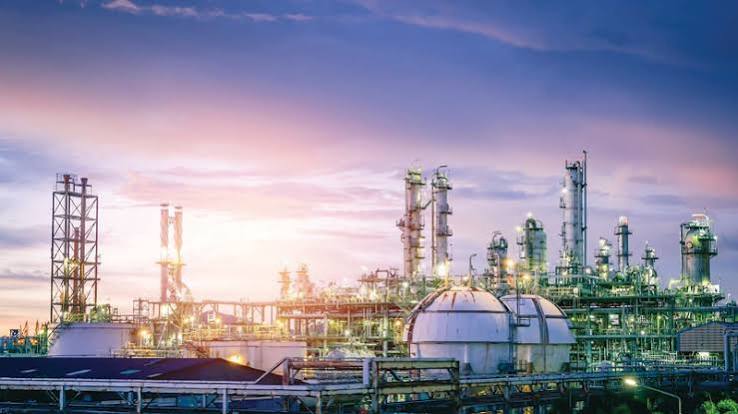
South Korea enters the second half of 2026 with its petrochemical industry transitioning from operational recovery to commercial normalisation. While improving Gulf feedstock supplies have allowed producers to increase production planning, the industry's immediate priority is no longer restarting plants—it is determining how contractual relationships should resume after months of force majeure declarations.
For procurement professionals, this represents one of the most commercially significant phases of the Hormuz recovery. Production capacity may be returning, but contract interpretation, delivery obligations and pricing negotiations will determine how quickly international supply chains return to normal.
Force Majeure Is Entering Its Final Commercial Phase
The widespread force majeure declarations issued during H1 protected producers from contractual liability while severe feedstock shortages disrupted manufacturing across South Korea.
As naphtha and LPG supplies recover, attention is shifting toward formally ending those declarations and restoring ordinary commercial performance.
Unlike operational restart announcements, the wind-down process requires agreement between both contracting parties.
Each supply relationship must determine how contractual obligations will resume under the terms of the original agreement.
More Than Forty Product Categories Are Affected
The commercial negotiations extend across a broad range of commodity and intermediate chemical products produced by South Korea's leading petrochemical manufacturers.
Among the products most affected are:
Polyethylene (PE).
Polypropylene (PP).
Purified Terephthalic Acid (PTA).
Monoethylene Glycol (MEG).
Ethylene Glycol (EG).
Acrylonitrile.
Benzene and downstream aromatic products.
These materials support industries including automotive manufacturing, textiles, packaging, electronics, construction and consumer products, making the outcome of negotiations important for buyers worldwide.
Major Producers Are Working Through Contract Reinstatements
Leading Korean chemical companies including LG Chem, Lotte Chemical and Hanwha Solutions are expected to spend the coming weeks working closely with international customers to restore contractual certainty.
The process extends beyond simply confirming production availability.
Commercial discussions now focus on rebuilding supply schedules while protecting long-term customer relationships developed over many years.
For buyers with existing contracts, early engagement provides the greatest opportunity to secure production allocations before additional market demand emerges.
Three Commercial Questions Will Shape the Outcome
Although individual contracts differ, negotiations generally centre on three fundamental commercial issues.
First, both parties must confirm Q3 production and delivery volumes, establishing realistic shipment schedules based on recovering operating rates.
Second, buyers and suppliers must determine whether any pricing adjustment mechanism applies to the period affected by force majeure, particularly where raw material costs or logistics expenses changed significantly during the disruption.
Third, the parties must agree whether contractual performance resumes under the original agreement or whether the force majeure period effectively requires a new commercial arrangement.
These decisions will influence procurement planning throughout H2.
Legal Frameworks Matter as Much as Production Recovery
The outcome of many negotiations depends not only on commercial discussions but also on the legal framework governing each contract.
Many international supply agreements involving Korean petrochemical producers are structured under English-law principles and incorporate provisions consistent with the United Nations Convention on Contracts for the International Sale of Goods (CISG).
These legal provisions influence:
The scope of force majeure protection.
Procedures for contract reinstatement.
Rights and obligations following operational recovery.
Potential pricing or delivery adjustments.
Understanding these contractual provisions is essential before commercial negotiations conclude.
Commercial Coordination Is Now the Priority
As production capacity gradually returns, successful recovery depends less on restarting petrochemical facilities and more on restoring commercial certainty.
The wind-down of force majeure requires buyers and suppliers to align on contractual obligations before normal shipment patterns can resume.
This process is expected to continue throughout the early stages of H2 as both parties work to balance operational recovery with long-term commercial relationships.
Why Buyers Should Engage Both Commercial and Legal Teams
The transition out of force majeure is not solely a logistics exercise.
It is a contractual process where commercial agreements and legal obligations intersect.
Companies with active South Korean supply contracts should ensure that procurement, legal and logistics teams coordinate closely throughout negotiations.
Priority actions include:
Confirm formal termination dates for force majeure declarations.
Obtain written confirmation of revised Q3 production and shipment schedules.
Review pricing mechanisms applicable during the disruption period.
Clarify whether existing contracts automatically resume or require formal amendment.
Ensure documentation reflects any agreed commercial adjustments.
Early coordination reduces uncertainty while protecting long-term supplier relationships.
Existing Customers Are Expected to Receive Priority
As Korean producers progressively increase operating rates, contractual customers are expected to receive priority allocation over spot market demand.
This reflects standard commercial practice following major operational disruptions.
Companies maintaining long-term supply agreements with Korean producers are therefore likely to benefit from:
Earlier confirmation of production allocations.
Greater visibility on shipment schedules.
Stronger continuity of supply.
Improved planning for downstream manufacturing operations.
Maintaining active communication with suppliers throughout the negotiation period will be essential for securing these advantages.
Production Recovery Supports Contract Normalisation
Improving Gulf naphtha and LPG availability provides a stronger operational foundation for South Korea's petrochemical industry entering H2.
Higher feedstock availability allows producers to focus on rebuilding customer commitments rather than managing emergency production constraints.
Several positive developments support this transition:
Increasing naphtha imports for steam crackers.
Improved LPG supply supporting PDH facilities.
More stable regional shipping conditions.
Better visibility for production and export scheduling.
As these improvements continue, commercial negotiations should progressively shift from crisis management toward long-term business planning.
Looking Ahead to H2 2026
South Korea enters the second half of 2026 with its petrochemical industry moving beyond operational recovery into contractual normalisation.
The widespread force majeure declarations that characterised H1 successfully protected producers during an unprecedented feedstock disruption. The industry's immediate challenge now lies in restoring commercial certainty through structured negotiations covering production volumes, pricing mechanisms and contract reinstatement.
For international buyers, the most important lesson is that legal and commercial engagement should proceed together. Companies should work simultaneously with trade counsel and Korean commercial counterparts to ensure that contractual rights, delivery obligations and future supply commitments are clearly documented.
As production capacity continues improving, organisations that proactively manage both the legal and operational dimensions of contract reinstatement will be best positioned to secure reliable Q3 supply while strengthening long-term relationships with South Korea's leading petrochemical producers.
Ready to source polyethylene, polypropylene and specialty chemicals from verified global suppliers? Explore competitive offers on our platform today.