2026 Landscape: Specialty Chemicals on the Rise
The specialty chemical sector continues to outperform traditional commodities, driven by innovation, regulatory demands, and the shift toward sustainable solutions. In 2026, margins across the industry are no longer uniform; they cluster around niche applications where technical expertise and supply chain resilience create value.
Top Margin‑Generating Sectors
Industrial Gases
Industrial gases remain a cornerstone of the specialty chemical value chain. Their high purity requirements, coupled with steady demand from semiconductor, food processing, and medical sectors, allow firms to command premium pricing. Key players include Air Liquide, Linde, and Air Products, who have invested heavily in automation and digital twins to reduce operating costs while maintaining safety standards.
Battery Materials
With the global push toward electric vehicles (EVs) and renewable energy storage, battery materials such as cathode and anode chemistries are experiencing explosive growth. Evonik and DSM‑Firmenich have positioned themselves as leaders by securing long‑term contracts with automotive giants, leveraging proprietary coatings and binder technologies that enhance cycle life and energy density.
Pharmaceutical Excipients
Pharmaceutical excipients are critical in drug formulation, offering functional benefits like solubility enhancement and controlled release. The 2026 market is dominated by Clariant and Evonik, who deliver high‑purity excipients that meet stringent Good Manufacturing Practice (GMP) standards. Their ability to scale production while maintaining consistency drives attractive margins.
Water Treatment Chemicals
Water scarcity and stricter environmental regulations have intensified demand for advanced treatment solutions. Companies providing ion exchange resins, biocides, and coagulants are benefiting from a shift toward green chemistry and digital monitoring systems that reduce chemical usage and waste.
Supply Chain & Reliability Factors
Margin leaders not only innovate but also excel in supply chain resilience. Key attributes include:
Vertical integration that controls raw material quality.
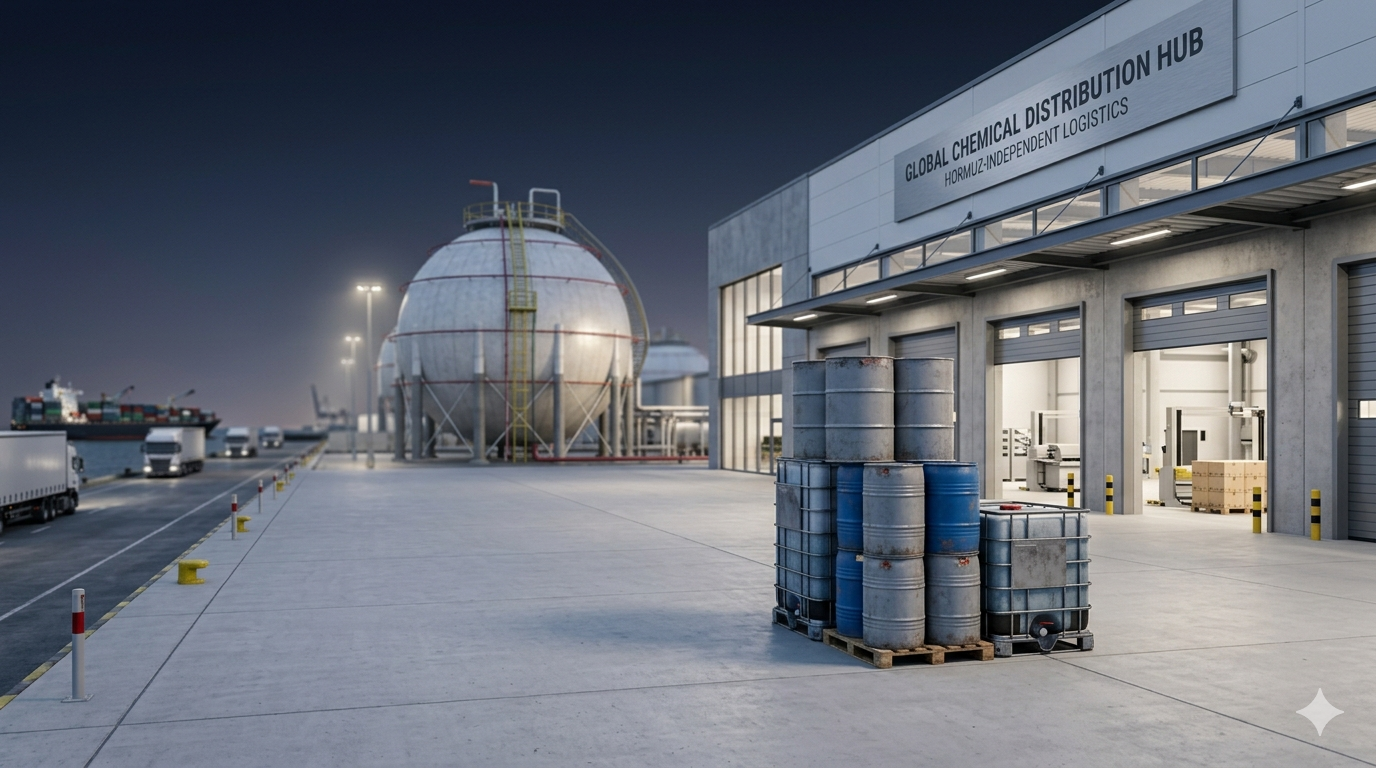
Strategic geographic diversification to mitigate geopolitical risks.
Robust digital platforms enabling real‑time inventory and demand forecasting.
Case Study: Evonik’s Battery Material Strategy
Evonik’s battery material portfolio exemplifies the blend of innovation and reliability. By partnering with Tier‑1 EV manufacturers, Evonik has secured a 15% revenue growth in 2026, outpacing the industry average of 7%. Their proprietary silicate‑based binder not only improves electrode adhesion but also reduces the overall material cost by 4%. This technical edge translates into a margin increase of 3.2 percentage points.
Competitive Dynamics: DSM‑Firmenich vs. Clariant
DSM‑Firmenich, formed through a strategic merger, has leveraged its combined R&D capabilities to accelerate the development of high‑performance excipients. In 2026, it reported a 9% YoY margin improvement, driven largely by its pharmaceutical excipient line. Clariant, on the other hand, focuses on niche chemical intermediates and has carved out a strong position in specialty coatings for the automotive sector. While Clariant’s overall margin is slightly lower, its high‑margin specialty coatings segment sees a 12% growth rate.
Future Outlook: 2027 and Beyond
Looking ahead, the specialty chemical industry is poised for continued transformation:
Digitalization will further reduce production lead times.
Regulatory shifts toward zero‑discharge processes will favor companies with robust environmental strategies.
Emerging markets in Asia and Africa will drive demand for water treatment and industrial gases.
Companies that invest in R&D, supply chain resilience, and sustainability will maintain margin leadership. For investors and partners, the 2026 snapshot underscores the importance of aligning with firms that balance technical excellence with operational r