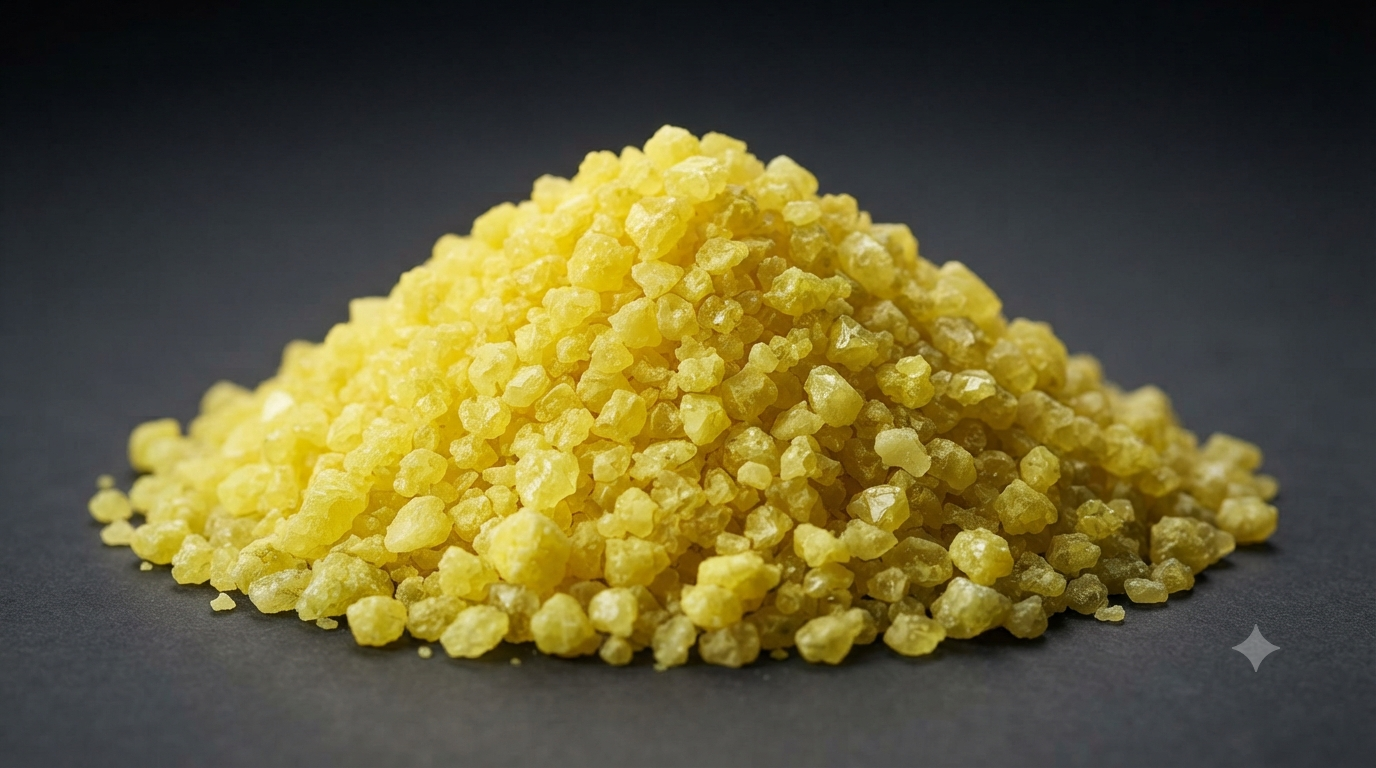
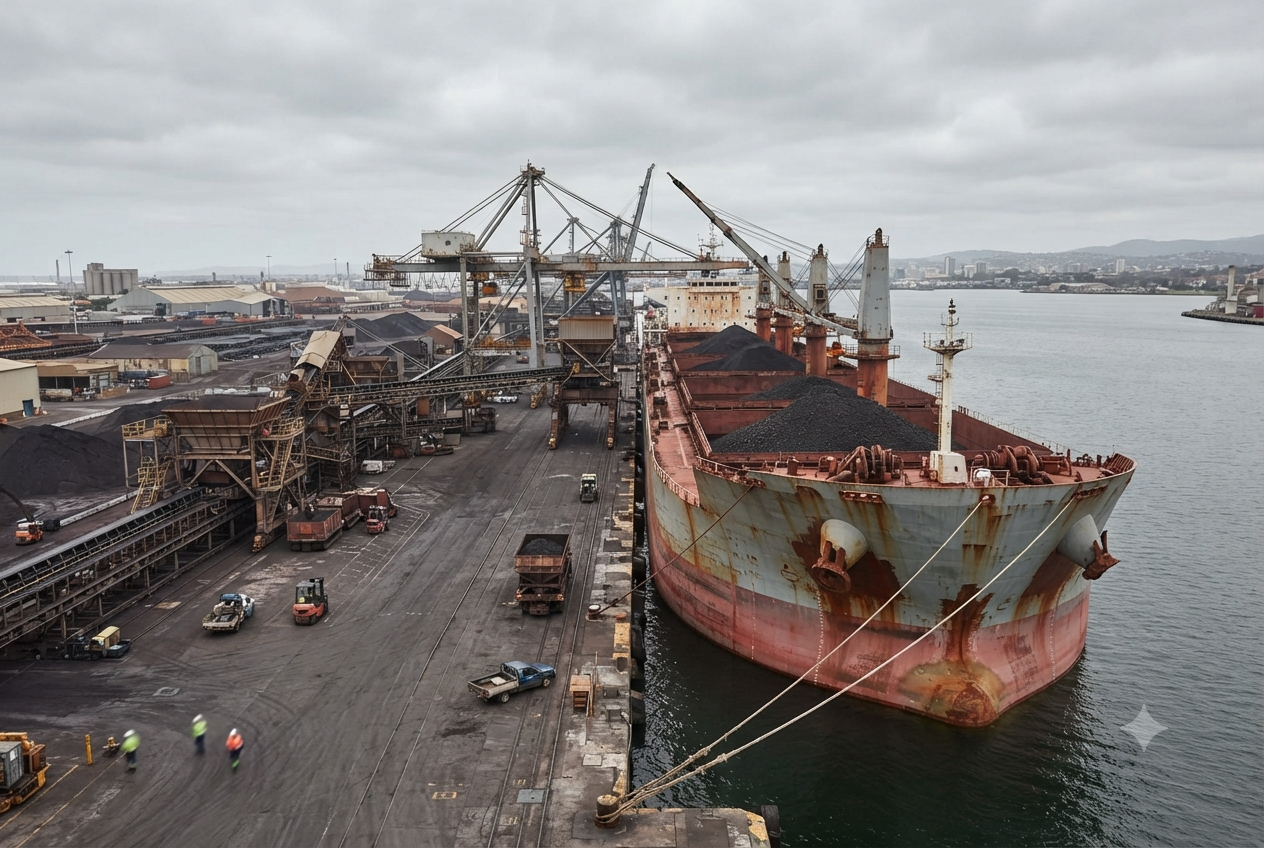
Fluorochemical producers are absorbing a sharp increase in sulphur costs this quarter, a squeeze tied directly to broader supply disruptions across West Asia. Tanfac Industries has cited elevated sulphur prices as a specific factor behind its recent margin pressure, and it is far from alone. The disruption sits upstream of a much larger chain, one that touches fertilisers, metals processing and specialty chemicals alike.
What Triggered the Sulphur Price Spike
The roots of this crunch trace back to the closure of the Strait of Hormuz to commercial dry bulk traffic in late February 2026. Since the Middle East accounts for a substantial share of global seaborne sulphur trade, the closure had an immediate and measurable effect on availability. Loaded vessels queued in the Gulf with no route out, and global sulphur exports fell sharply below pre-closure levels within weeks.
Multiple pressures converged around the same period. Alongside the Hormuz closure, sulphur export restrictions in other major producing regions added to the tightness, layering a structural Asian supply deficit on top of an already disrupted trade route. The combined effect has been described by market analysts as among the most acute sulphur supply shocks in decades.
India has felt this particularly acutely. The country has historically sourced a large majority of its sulphur from the Middle East, leaving domestic producers with limited alternative supply to fall back on when Gulf shipments slow.
How the Spike Is Showing Up in Producer Costs
Sulphur is not a standalone commodity for most chemical manufacturers. It is a foundational input for sulphuric acid, which in turn feeds into fluorochemical production processes, fertiliser manufacturing and metals leaching. When sulphur costs rise, that pressure moves quickly through each of those downstream chains.
Tanfac Industries has directly attributed recent margin compression to elevated sulphur prices, alongside higher fuel costs linked to the same West Asia disruptions. The company's most recent quarterly results showed profit after tax declining year on year even as revenue continued to grow, a pattern consistent with rising input costs outpacing the company's ability to fully pass those costs through to customers in the short term.
A few dynamics are shaping how producers are responding:
Pricing cycles create a lag between cost increases and recovery. Cost pass-through mechanisms in the industry typically operate on a 30 to 45 day cycle, meaning producers absorb some sulphur cost increases before pricing catches up.
Backward integration offers partial protection. Producers with their own hydrofluoric acid and sulphuric acid capacity have more control over cost management than those relying entirely on external sulphuric acid supply.
Fuel costs are compounding the pressure. Shipping and logistics disruptions tied to the same regional tensions are adding to the cost burden alongside the sulphur price increase itself.
How the Spike Is Showing Up in Producer Costs
Sulphur is not a standalone commodity for most chemical manufacturers. It is a foundational input for sulphuric acid, which in turn feeds into fluorochemical production processes, fertiliser manufacturing and metals leaching. When sulphur costs rise, that pressure moves quickly through each of those downstream chains.
Tanfac Industries has directly attributed recent margin compression to elevated sulphur prices, alongside higher fuel costs linked to the same West Asia disruptions. The company's most recent quarterly results showed profit after tax declining year on year even as revenue continued to grow, a pattern consistent with rising input costs outpacing the company's ability to fully pass those costs through to customers in the short term.
A few dynamics are shaping how producers are responding:
Pricing cycles create a lag between cost increases and recovery. Cost pass-through mechanisms in the industry typically operate on a 30 to 45 day cycle, meaning producers absorb some sulphur cost increases before pricing catches up.
Backward integration offers partial protection. Producers with their own hydrofluoric acid and sulphuric acid capacity have more control over cost management than those relying entirely on external sulphuric acid supply.
Fuel costs are compounding the pressure. Shipping and logistics disruptions tied to the same regional tensions are adding to the cost burden alongside the sulphur price increase itself.
The Broader Sulphur Market Context
Global sulphur prices have moved sharply through this period, with Asian benchmarks showing some of the steepest increases. India in particular has been described as the highest-cost importing region, with prices climbing significantly over the past year as new energy sector demand and supply disruption combined to push the market to multi-year highs.
Demand from phosphate fertiliser production, which accounts for more than half of global sulphuric acid consumption, has remained firm throughout the disruption. That steady demand has kept pressure on available supply even as producers scramble to secure alternative sourcing routes. Growing sulphur demand from battery material manufacturing has added a further structural pull on the market that predates the current geopolitical disruption.
For the remainder of 2026, market forecasts point to continued elevated pricing rather than a quick return to pre-disruption levels. That outlook suggests fluorochemical producers should plan for sustained cost pressure rather than a temporary spike that resolves within a quarter or two.
What This Means for Fluorochemical Buyers
For buyers sourcing fluorinated products, hydrofluoric acid derivatives or related specialty chemicals, the sulphur cost spike is a factor worth building directly into sourcing conversations rather than treating as background noise. A few practical considerations stand out:
Ask suppliers directly about backward integration. Producers with in-house sulphuric acid capacity are generally better positioned to manage cost volatility than those buying it on the open market.
Expect pricing adjustments tied to the 30 to 45 day pass-through cycle. Contract negotiations may need to account for lagged cost recovery rather than assuming immediate pricing stability.
Watch regional sourcing diversity. Producers with sulphur supply routes outside the Middle East may offer more pricing stability during periods of continued Gulf disruption.
The Bottom Line for Procurement Teams
The sulphur cost spike currently pressuring fluorochemical producers is not an isolated event tied to a single company or region. It reflects a genuine structural disruption in global sulphur trade, driven by geopolitical tensions layered on top of already tightening supply and demand fundamentals.
Producers like Tanfac appear to be managing the pressure without derailing their broader expansion plans, but the underlying cost environment is unlikely to ease quickly given current market forecasts. Buyers with exposure to fluorochemicals, sulphuric acid or related derivatives should factor continued sulphur cost volatility into near-term sourcing decisions rather than expecting a rapid return to prior pricing levels.
Ready to source fluorochemicals from verified global suppliers? Explore competitive offers on our platform today.