Product stewardship in 2026 increasingly hinges on substituting persistent bioaccumulative and toxic (PBT) compounds with safer or bio-based alternatives. Regulatory bodies are tightening restrictions under REACH-adjacent frameworks. This creates intense pressure on chemical manufacturers to reformulate legacy products. The transition is not merely a technical challenge but a significant financial undertaking. Procurement teams must understand the true cost of substitution to manage budgets effectively. The reformulation cost curve reveals hidden expenses that extend far beyond raw material price differences. Companies face strict timelines that compress development cycles and increase risk. Understanding these economic dynamics is essential for strategic planning.
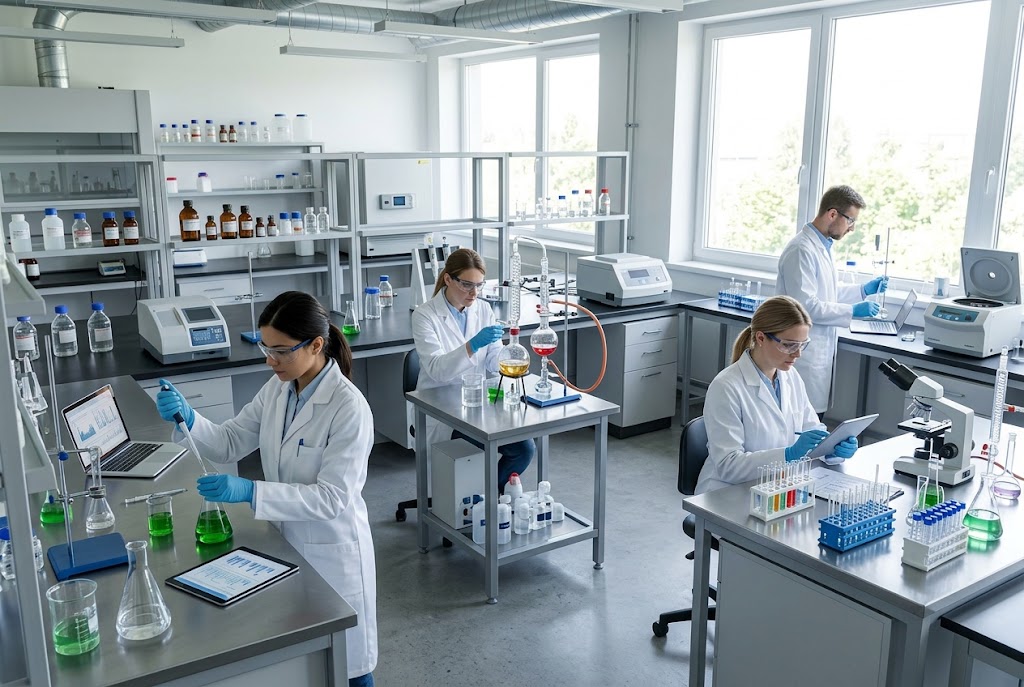
Replacing a PBT substance involves more than swapping one ingredient for another. The new alternative must match performance specifications precisely. This requires extensive research and development efforts. Laboratory testing validates efficacy stability and compatibility. Each iteration consumes time and resources. Small-scale trials precede full production runs to minimize waste.
Regulatory compliance adds another layer of cost. New substances require safety assessments and documentation. Submitting dossiers to authorities involves legal and technical expertise. Fees for evaluation and registration accumulate quickly. Intellectual property protections may also need updating. Patents for new formulations require filing and maintenance. These administrative burdens significantly impact the total cost of substitution.
Supply chain adjustments further drive up expenses. Sourcing bio-based alternatives often means working with new suppliers. Qualifying these partners takes time and effort. Logistics networks may need reconfiguration to handle different material properties. Storage requirements might change due to sensitivity or volatility. All these factors contribute to the overall reformulation bill.
R&D testing validates performance and compatibility of new alternatives.
Regulatory dossiers require legal and technical expertise for submission.
Supplier qualification processes ensure quality and reliability of new inputs.
Logistics reconfiguration adapts to different storage and handling needs.
Timeline Pressure from Regulatory Mandates
REACH-adjacent restrictions impose strict deadlines for phasing out PBT substances. Companies have limited windows to complete reformulation projects. Missing these dates results in market exclusion and revenue loss. The urgency compresses development timelines significantly. Rushed processes increase the risk of errors and failures.
Parallel processing becomes necessary to meet deadlines. R&D regulatory affairs and procurement teams work simultaneously. This overlap requires intense coordination and communication. Resource allocation shifts to prioritize substitution projects. Other initiatives may face delays or cancellation. The opportunity cost of diverted attention is substantial.
Market readiness adds another dimension to timeline pressure. Customers need time to test and approve new formulations. Sales teams must educate buyers on changes and benefits. Marketing materials require updating to reflect new compositions. Launching too early risks rejection while launching late misses regulatory cutoffs. Balancing these competing demands requires precise project management.
The cost curve for substitution is rarely linear. Initial stages involve high fixed costs for research and testing. As projects progress variable costs such as raw materials dominate. Economies of scale eventually reduce unit prices but only after significant volume. Early adoption carries a premium due to limited supply and high demand.
Bio-based alternatives often command higher prices than fossil-derived PBTs. Production scales for these green chemicals are still growing. Limited competition allows suppliers to maintain higher margins. Procurement teams must negotiate carefully to secure favorable terms. Long-term contracts help stabilize prices and ensure availability. Volume commitments incentivize suppliers to expand capacity.
Total cost of ownership includes downstream impacts. Changes in formulation may affect manufacturing efficiency. Process parameters might need adjustment to accommodate new ingredients. Energy consumption could rise or fall depending on reactivity. Waste generation patterns may shift requiring new disposal methods. Accounting for these operational variables provides a realistic cost picture.
Bio-based alternatives do not always match the performance of PBT compounds exactly. Differences in stability solubility or reactivity may arise. Formulators must adjust other ingredients to compensate. This trial-and-error process extends development time. Some applications may never achieve perfect parity.
Technical risks include unexpected interactions with other components. Compatibility issues can lead to product failure or safety hazards. Rigorous testing identifies these problems before commercial launch. However some issues only appear after prolonged use. Post-market monitoring remains essential for long-term success. Liability insurance costs may increase during the transition period.
Customer acceptance depends on perceived value. If performance drops buyers may resist the change. Education campaigns highlight environmental benefits to offset drawbacks. Premium pricing strategies help recover higher costs. Demonstrating tangible sustainability gains builds brand loyalty. Transparency about trade-offs maintains trust with stakeholders.
Sourcing bio-based alternatives introduces new supply chain risks. Agricultural feedstocks depend on weather conditions and harvest yields. Price volatility affects availability and cost consistency. Geopolitical factors influence trade flows and tariffs. Diversifying sources mitigates but does not eliminate these risks.
Supplier concentration is another concern. Few producers may dominate specific bio-based markets. Dependence on single sources creates vulnerability. Disruptions can halt production entirely. Building strategic partnerships ensures priority access. Joint investments in capacity expansion share risks and rewards. Collaborative forecasting improves planning accuracy.
Logistics for bio-based materials differ from conventional chemicals. Sensitivity to temperature or moisture requires special handling. Shelf life may be shorter necessitating faster turnover. Inventory management systems must adapt to these constraints. Just-in-time delivery models may need adjustment. Safety stock levels increase to buffer against variability.
Strategic Sourcing for Sustainable Alternatives
Procurement teams play a critical role in managing substitution economics. Identifying viable alternatives requires deep market knowledge. Engaging with suppliers early reveals upcoming innovations. Pilot programs test feasibility before full commitment. Feedback loops accelerate improvement and refinement.
Negotiating contracts should include flexibility clauses. Price adjustment mechanisms account for feedstock volatility. Volume guarantees support supplier investment in capacity. Service level agreements ensure reliable delivery and quality. Penalties for non-compliance protect buyer interests. Clear terms prevent disputes and misunderstandings.
Collaboration with R&D drives successful substitution. Joint projects align sourcing with technical requirements. Shared data improves decision-making speed. Cross-functional teams break down silos and enhance efficiency. Regular reviews track progress against milestones. Agile methodologies allow quick pivots when needed.
Long-Term Value Beyond Compliance
Substituting PBT substances offers benefits beyond regulatory compliance. Brand reputation improves with sustainable product portfolios. Customers increasingly prefer environmentally responsible options. Market differentiation attracts premium segments. Employee morale rises when companies act on values.
Operational efficiencies may emerge from newer technologies. Bio-based processes often use milder conditions. Energy savings reduce long-term operating costs. Waste reduction lowers disposal expenses. Circular economy principles keep materials in use longer. These gains offset initial substitution costs over time.
Future-proofing against stricter regulations provides security. Anticipating trends avoids reactive scrambling. Early adopters shape industry standards and best practices. Leadership in sustainability attracts investors and partners. Resilience builds through proactive adaptation. The transition to bio-based alternatives is an investment in long-term viability.
The Bottom Line for Product Stewardship Teams
Substituting PBT substances with bio-based alternatives involves significant costs and complexities. The reformulation cost curve includes R&D regulatory and supply chain expenses. Timeline pressure from REACH-adjacent restrictions demands urgent action. Procurement and stewardship teams must collaborate to manage these challenges effectively.
Understanding the true economics of substitution supports better decision-making. Strategic sourcing mitigates risks and secures supply. Investing in sustainable alternatives builds long-term value. Compliance is just the starting point for broader transformation. Embracing this shift ensures competitiveness in a green economy.
Ready to source bio-based alternatives from verified global suppliers? Explore competitive offers on our platform today.