Global sugar refiners are transforming their processing economics by extracting high-margin functional co-products from historical waste streams. While refined sucrose remains the primary volume driver of the beet processing campaign, market volatility and compressed commodity margins have forced processors to prioritize downstream value extraction. Specialized sugar beet derivatives, most notably purified dietary fiber and natural betaine, represent fast-growing revenue channels that insulate agricultural processors against seasonal sugar price swings.
Chemical traders and industrial procurement managers are increasingly targeting these secondary streams to satisfy expanding demand in animal nutrition, personal care formulations and clean-label food texturizing. Understanding the extraction pathways, trade dynamics and supply constraints of these agri-derivatives is essential for buyers seeking reliable non-sucrose product allocations during annual processing campaigns.
The Economics of Sugar Beet Co-Product Valorization
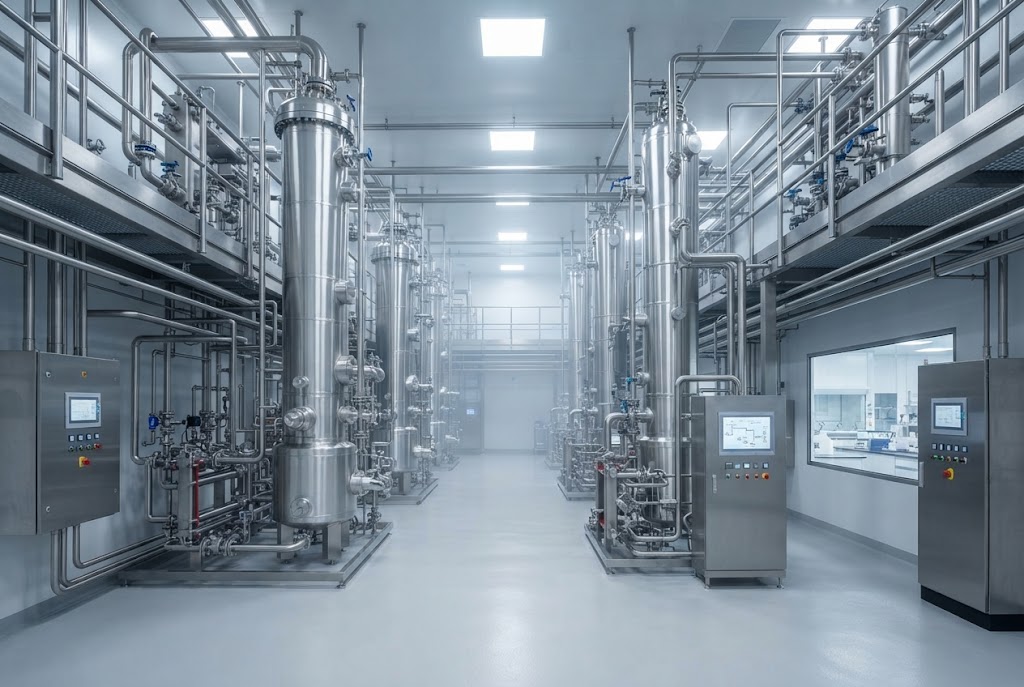
Traditional sugar beet factories historically treated spent pulp and residual molasses as low-value byproducts sold locally for livestock forage or direct biogas generation. Today, capital investment in secondary refining infrastructure allows processors to convert these agricultural residues into standardized, high-purity chemical and nutritional inputs.
A typical sugar beet consists of approximately seventy-five percent water, eighteen percent sucrose and seven percent insoluble structural carbohydrates and non-sugar dissolved solids. Extracting maximum value from the non-sucrose fraction directly improves plant margins, allowing refiners to offset fluctuating energy and transportation expenses.
Agricultural derivative traders recognize that co-product lines generate higher operating margins than standardized white sugar. As desugarization technologies and micro-milling processes mature, the commercial viability of isolated fractions continues to reshape commodity trading portfolios.
Functional Dietary Fiber and Its Industrial Applications
Sugar beet fiber is extracted from the de-sugared cossettes remaining after industrial aqueous extraction. The resulting pulp undergoes specialized washing, thermal drying and micronization to yield a functional ingredient containing approximately eighty percent total dietary fiber with a balanced ratio of soluble to insoluble fractions.
Unlike cereal brans or synthetic celluloses, refined beet fiber exhibits exceptional water-binding capacity, holding up to eight times its dry weight in water. This high hydration capacity makes it an effective texturizer, yield enhancer and fat replacer in industrial food processing.
Primary commercial applications for refined beet fiber include:
Processed meat and poultry formulations where it reduces cooking purge, enhances juiciness and improves slicing yields without creating gummy textures.
Gluten-free and high-fiber commercial bakery goods where it stabilizes dough rheology, prolongs shelf freshness and prevents moisture migration.
Extruded pet food and animal nutrition lines where it provides gentle prebiotic fermentability in the colon without excessive gas production.
The Betaine Market: Extraction and Biochemical Mechanisms
Betaine, chemically known as trimethylglycine, is a naturally occurring zwitterionic compound concentrated in sugar beet taproots. During industrial sugar refining, betaine accumulates in the residual molasses and thick juice streams because it does not crystallize alongside sucrose.
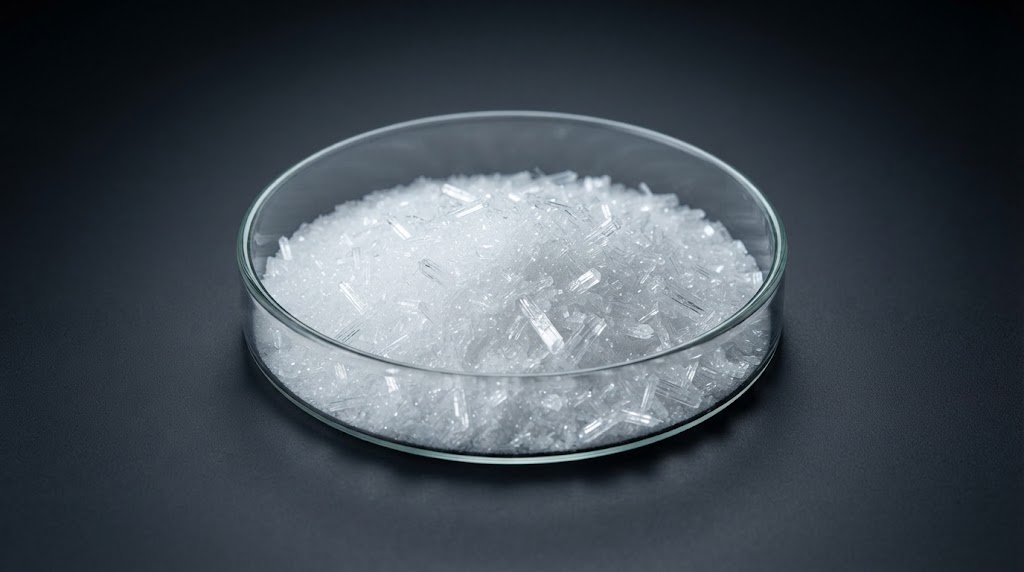
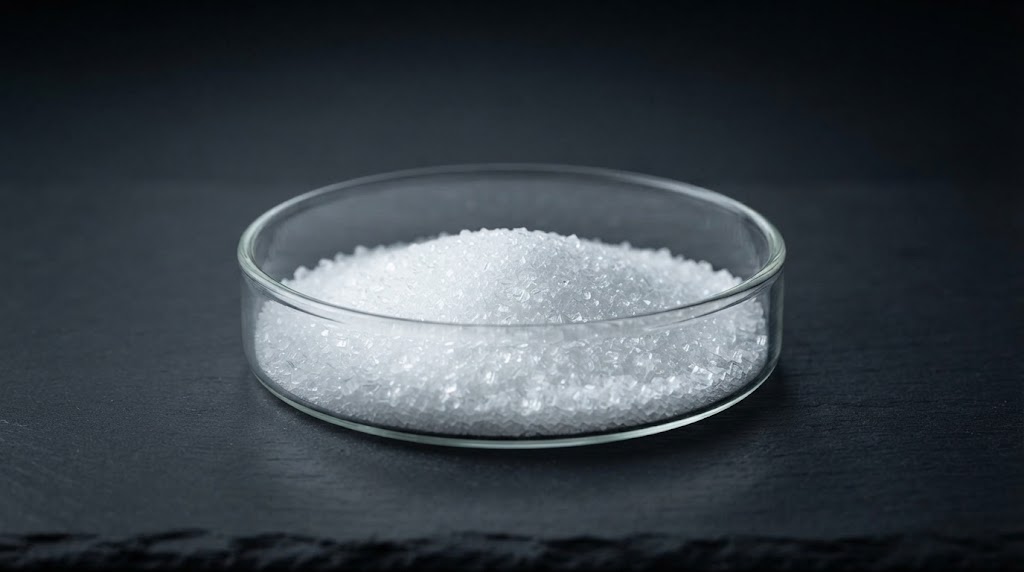
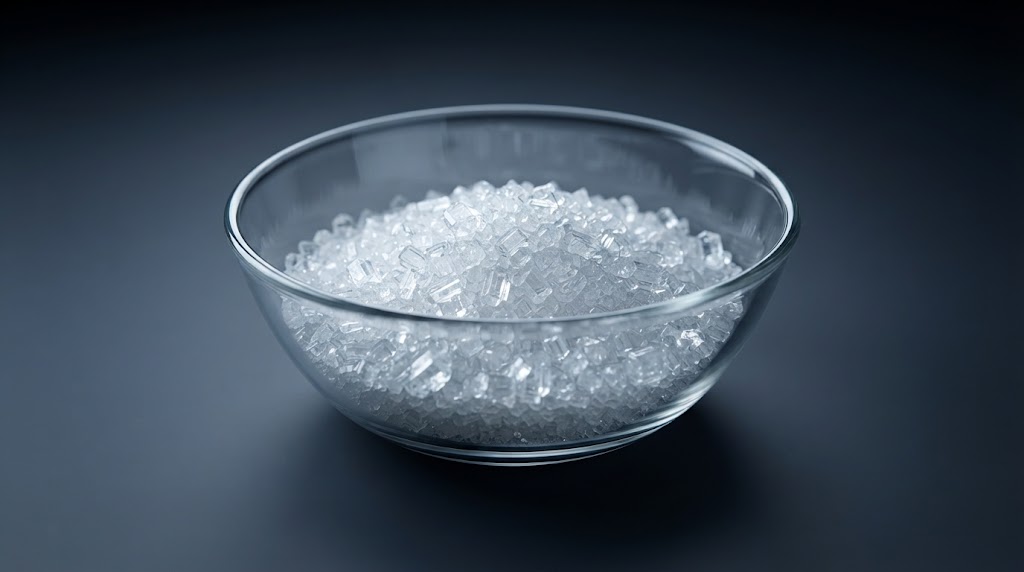
Processors isolate natural betaine through advanced chromatographic separation methods, specifically simulated moving bed chromatography applied to desugared beet molasses or vinasse. This continuous fractionation yields purified liquid extracts that are concentrated and crystallized into betaine anhydrous or betaine hydrochloride salts.
Biochemically, betaine serves two primary functions in biological systems: an organic osmolyte that protects cellular structures from osmotic stress, and a reactive methyl group donor that participates in the methionine-homocysteine cycle. These dual properties make betaine a valuable functional active ingredient across diverse industrial markets.
The livestock feed sector represents the largest commercial consumer of natural betaine. Nutritionists utilize feed-grade betaine as a partial replacement for synthetic choline chloride and DL-methionine, reducing metabolic energy expenditure in broiler poultry, swine and aquaculture species during periods of heat stress.
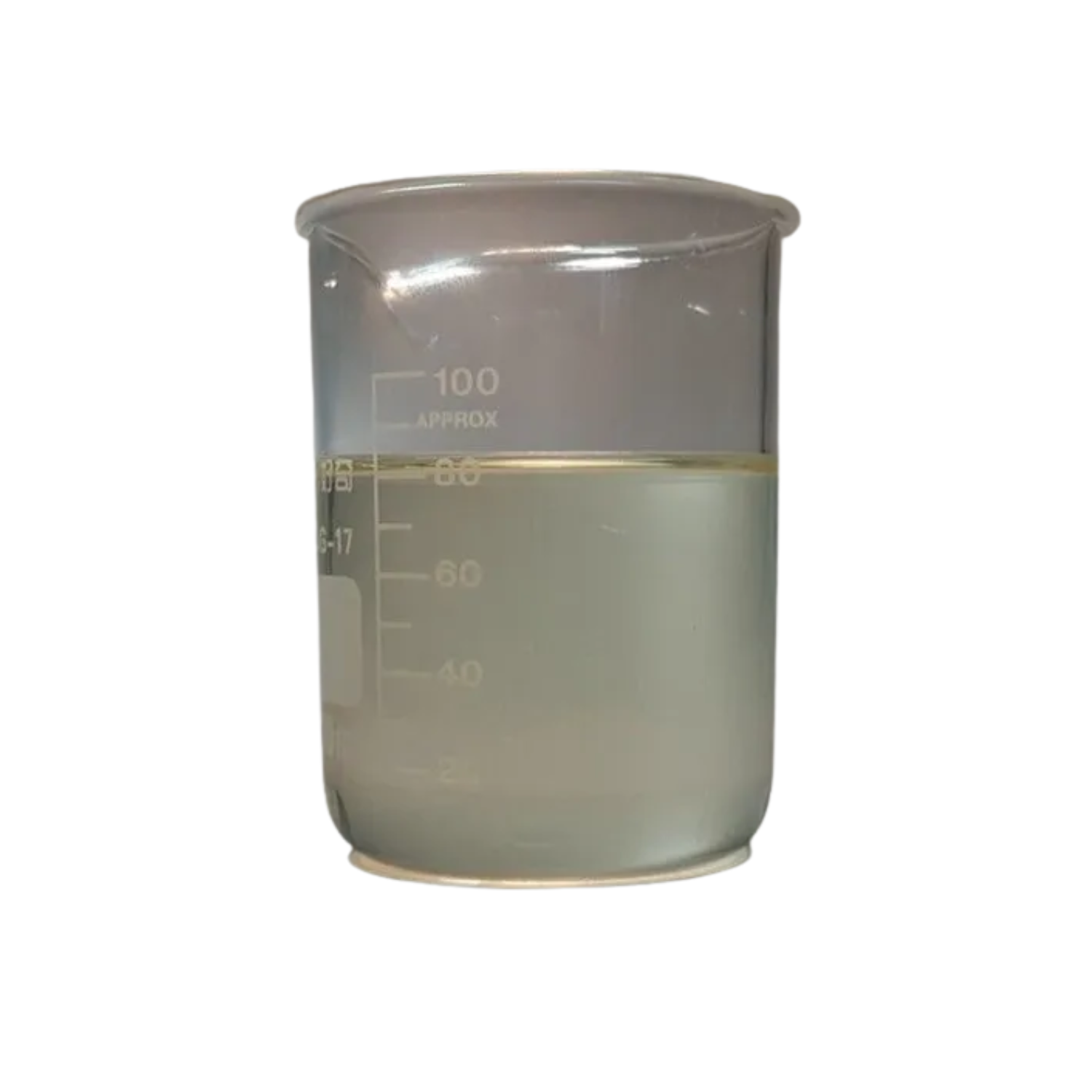
In personal care and cosmetics, high-purity natural betaine functions as a mild humectant, skin barrier protector and hair conditioning agent. Furthermore, the surfactant derivative cocamidopropyl betaine represents a major commercial amphoteric surfactant widely utilized in sulfate-free shampoos, facial cleansers and body washes.
Industrial fermentation facilities also deploy betaine as an osmo-protectant to enhance microbial viability in high-gravity bioreactors producing organic acids, specialty enzymes and bioplastics.
Global Processing Hubs and Regional Trade Flows
The production of sugar beet co-products is tied to geographic beet farming zones across the Northern Hemisphere. The European Union remains the world's leading producer, with sophisticated desugarization and fiber extraction facilities located in France, Germany, Poland, the Netherlands and Belgium.
European refiners benefit from strict environmental regulations and advanced biotechnology infrastructure, allowing them to lead global exports of pharmaceutical-grade and personal-care-grade natural betaine. However, elevated natural gas prices across Europe have created upward pressure on drying and distillation costs for regional operators.
The United States maintains substantial beet processing capacity centered in the Red River Valley across Minnesota and North Dakota, alongside operations in Idaho and Michigan. North American processors direct the majority of their fiber and betaine output toward domestic livestock and pet food sectors.
China has expanded beet processing infrastructure in the Xinjiang and Inner Mongolia regions. While Chinese producers supply significant quantities of synthetic betaine produced via chemical synthesis, global demand for natural, non-synthetic betaine continues to favor European and North American fermentation-derived sources.
Pricing Dynamics and Margin Comparison for Traders
Pricing structures for sugar beet derivatives diverge sharply depending on purity, physical form and target application standards. Raw, pelleted beet pulp traded for local livestock forage commands standard bulk agricultural pricing subject to regional grain harvest trends.
In contrast, micronized, food-grade sugar beet fiber trades at substantial price premiums over raw pulp. Refiners achieve high margins by selling specialized mesh sizes tailored for specific bakery and meat applications.
Natural betaine crystal pricing reflects extraction energy costs and the supply-demand balance in downstream animal feed markets. Natural crystalline betaine anhydrous typically trades at a clear premium over synthetic betaine hydrochloride due to strict clean-label and non-synthetic feed additive regulations in international markets.
Agri-derivative traders can maximize profitability by securing multi-tier distribution rights from primary processors, selling technical-grade products into bulk animal nutrition while routing ultra-pure grades into personal care and pharmaceutical channels.
Quality Specifications and Supply Chain Constraints
Sugar beet harvesting is strictly seasonal, with processing campaigns running continuously for approximately one hundred to one hundred forty days between September and February. Sourcing managers must contract annual volume requirements during this narrow operating window to secure delivery guarantees throughout the remainder of the calendar year.
Storage and moisture management represent critical quality control priorities for fiber products. Purified beet fiber is hygroscopic and requires multi-wall barrier packaging with polyethylene liners to prevent clumping, microbiological proliferation and loss of dispersibility during transit.
For natural betaine shipments, buyers must verify critical quality parameters on certificates of analysis:
Minimum assay purity of ninety-nine percent on a dry matter basis for anhydrous grades.
Strict limits on residual heavy metals, chlorides and sulfated ash content to ensure compliance with pharmacopeial and cosmetic monographs.
Confirmation of non-GMO botanical origin and absence of residual chromatographic solvents from the separation process.
The Bottom Line for Agri-Derivative Traders
Diversifying into sugar beet derivatives allows agricultural traders and chemical distributors to escape the margin compression inherent in bulk sugar markets. The convergence of clean-label consumer demand, natural cosmetics trends and precision animal nutrition ensures sustained demand growth for purified fiber and natural betaine streams.
Procurement teams must align purchasing schedules with regional processing campaigns, securing forward contracts with primary European and North American refiners before annual slicer runs conclude. Establishing verified testing protocols and diversified logistics networks will position forward-thinking traders to capture reliable, high-margin market share in this expanding specialty sector.
Ready to source Cocamidopropyl Betaine from verified global suppliers? Explore competitive offers on our platform today.