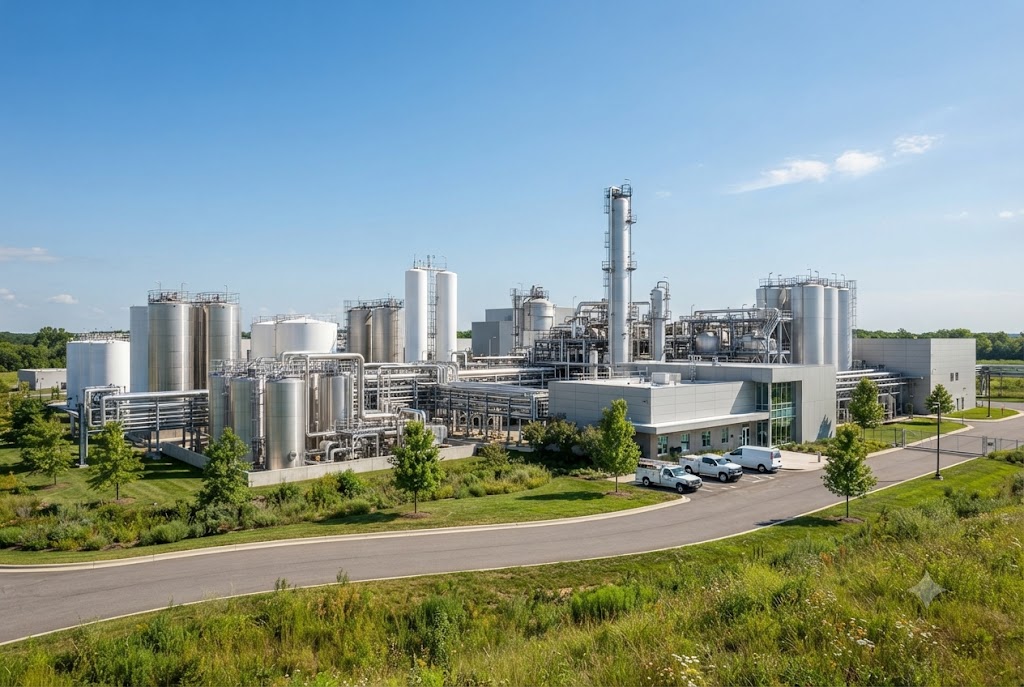
The global agricultural sector relies heavily on stable supplies of essential crop nutrients. EuroChem has strengthened this foundation by launching a new sulfuric acid production facility in Kazakhstan. This strategic expansion directly supports the phosphate fertilizer production chain critical to regional food supply. Procurement managers and agricultural buyers must recognize the significance of this development. Localized production of key chemical intermediates reduces dependency on distant imports. It also enhances supply chain resilience against global logistics disruptions. Understanding the scale of this operation allows sourcing teams to adjust their strategies proactively. Ignoring this shift could lead to missed opportunities for cost optimization and supply security. Buyers relying on phosphate fertilizers need to anticipate improved availability and potential price stabilization in Central Asian markets.
The Role of Sulfuric Acid in Phosphate Fertilizer Production
Sulfuric acid serves as the primary reactant in producing phosphoric acid from phosphate rock. This chemical reaction is the first step in manufacturing most phosphate fertilizers. Without a steady supply of high-quality acid, fertilizer plants cannot operate efficiently. The new EuroChem facility ensures a reliable local source for this critical input.
Phosphate fertilizers are essential for global food security. They provide the phosphorus needed for root development and energy transfer in plants. Any disruption in acid supply can halt fertilizer production and threaten crop yields. The Kazakhstan plant mitigates this risk by integrating acid production with downstream fertilizer complexes. This vertical integration creates a seamless flow of materials from raw input to finished product.
The facility produces acid with consistent purity levels required for efficient processing. Impurities can damage equipment and reduce fertilizer quality. EuroChem’s advanced technology ensures that the acid meets strict industrial standards. Buyers benefit from this reliability through uninterrupted fertilizer manufacturing operations.
Impact on Regional Agricultural Input Markets
Central Asia has historically relied on imported sulfuric acid for its fertilizer industry. Long transportation routes increase costs and expose buyers to supply chain volatility. The new local plant eliminates these logistical challenges. It provides a steady and predictable source of acid for regional producers.
This localization strategy enhances the competitiveness of Kazakh fertilizers in global markets. Lower production costs allow exporters to offer more attractive pricing. Farmers in neighboring countries also benefit from reduced input prices. Affordable fertilizers encourage higher application rates and improved crop productivity.
Reduced freight costs for local fertilizer manufacturers. Shorter transport distances lower overall production expenses.
Enhanced supply security for regional agricultural operations. Local sources are less vulnerable to international shipping disruptions.
Improved stability for long-term farming planning and investment. Predictable input prices allow farmers to budget more effectively.
These benefits extend beyond immediate cost savings. A robust local fertilizer industry supports broader economic development in the region. It creates jobs and stimulates related industrial sectors.
Strategic Importance for Global Food Security
Food security remains a top priority for governments worldwide. Stable fertilizer supplies are essential for maintaining adequate crop production. The Kazakhstan expansion contributes directly to this goal by boosting regional output. It helps ensure that farmers have access to the nutrients they need to feed growing populations.
Global fertilizer markets often experience volatility due to geopolitical tensions and trade restrictions. Localized production buffers against these external shocks. It provides a stable baseline of supply even when international markets are disrupted. Procurement teams should view this expansion as a positive signal for market stability.
The facility also supports sustainable agricultural practices. Efficient fertilizer production reduces waste and environmental impact. Modern plants incorporate advanced emissions control and waste treatment systems. These features align with global sustainability goals and regulatory requirements.
Navigating Supply Chain Resilience
Procurement managers must evaluate how this new capacity affects their sourcing strategies. Relying on single-source suppliers carries significant risks. Diversifying the supply base to include regional producers like EuroChem enhances resilience. Buyers should consider incorporating Kazakh sulfuric acid or derived fertilizers into their portfolios.
Building relationships with local distributors facilitates smoother transactions. Understanding regional logistics and customs procedures is essential for efficient importing. Procurement teams should invest time in learning these local dynamics. This knowledge helps avoid delays and unexpected costs.
Long-term contracts with regional suppliers provide price stability. Locking in volumes ensures access to material during peak demand periods. Buyers should negotiate flexible terms that allow for adjustments based on market conditions. This agility helps manage inventory levels and cash flow effectively.
Environmental and Regulatory Compliance
Modern chemical facilities must adhere to strict environmental regulations. EuroChem has implemented state-of-the-art controls at its Kazakhstan plant. These measures minimize emissions and protect local ecosystems. Compliance with international standards simplifies export processes for global buyers.
Procurement professionals should verify that suppliers maintain valid environmental certifications. Requesting audit reports and compliance statements ensures adherence to best practices. This due diligence protects buyers from reputational risks associated with non-compliant vendors.
Transparency in environmental performance is increasingly important for corporate sustainability goals. Sourcing from responsible suppliers helps companies meet their ESG targets. It also demonstrates commitment to ethical business practices to stakeholders. Buyers should prioritize partners who share their values regarding environmental stewardship.
Market Outlook for Central Asian Fertilizers
The addition of local sulfuric acid capacity will influence regional pricing dynamics. Increased supply may reduce the premium previously paid for imported acid. This cost reduction improves the competitiveness of local fertilizer producers. Farmers may see lower input costs as a result.
Global sulfur markets remain volatile due to fluctuating crude oil refining outputs. Local production insulates the Kazakh market from some of this global volatility. It provides a more predictable cost base for long-term planning. Buyers can forecast budgets with greater confidence knowing that a major source is back online.
Export opportunities may emerge if local demand is fully satisfied. Neighboring countries in Central Asia and the Caucasus could become target markets. EuroChem’s strategic location facilitates logistics to these regions. This expansion positions the company as a key supplier in the broader Eurasian market.
What Buyers Should Do Now
Review your current sulfuric acid and fertilizer supply contracts. Evaluate the potential benefits of incorporating EuroChem’s new output into your mix. Contact local distributors or the producer directly to discuss availability and pricing terms.
Assess your inventory levels and forecasted demand for the coming quarters. The new supply source may allow for leaner inventory management due to shorter lead times. Adjust your logistics plans to take advantage of local delivery options.
Monitor market reports for updates on production ramp-up rates. Full capacity utilization may take several months to achieve. Early engagement helps secure allocation during the initial phase. Building a relationship with the new supplier now ensures priority access in the future.
Ready to source Sulphuric Acid (98%) - India from verified global suppliers? Explore competitive offers on our platform today.