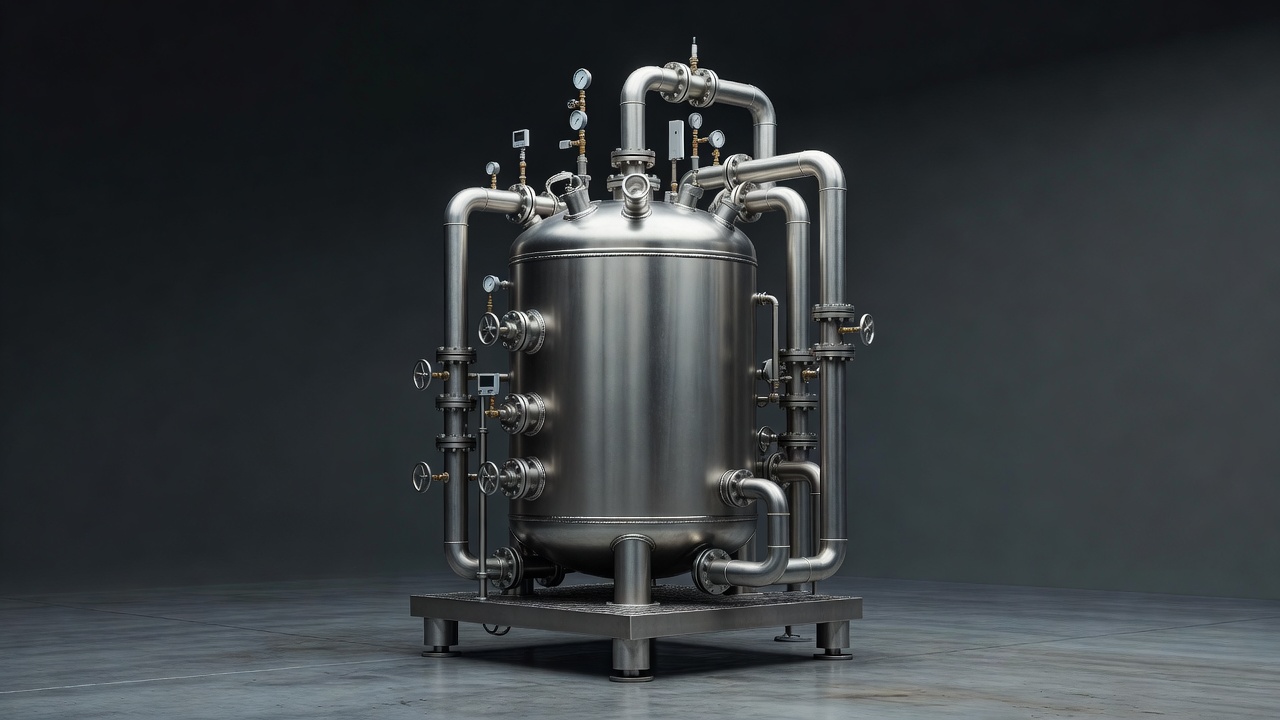
On July 10, 1976, a chemical reactor near Milan released a cloud containing dioxin over nearby residential communities. The incident became one of Europe's most significant industrial accidents, leaving a lasting impact on local residents while fundamentally changing how governments and chemical manufacturers approach industrial safety. Fifty years later, the Seveso disaster remains a defining reference point for process safety, emergency preparedness and responsible chemical operations.
For procurement managers, chemical traders, manufacturers and industrial buyers, the anniversary is more than a historical milestone. It highlights why process safety remains an essential part of supplier evaluation, operational resilience and ESG performance across the global chemical industry.
What Happened at Seveso?
The incident occurred during chemical production at a facility near the Italian town of Seveso, north of Milan.
A loss of process control resulted in the release of a cloud containing dioxin, which spread over surrounding residential areas. The contamination affected homes, farmland and public spaces, leading to evacuations, extensive cleanup operations and long-term environmental monitoring.
Beyond its immediate consequences, the disaster exposed weaknesses in industrial risk management, emergency response planning and communication with nearby communities.
How the Accident Changed European Chemical Regulation
The Seveso disaster became the catalyst for a new generation of industrial safety legislation across Europe.
Rather than focusing only on environmental compliance, regulators introduced broader requirements for identifying major industrial hazards, preventing accidents and preparing for emergency situations.
The resulting regulatory framework placed greater emphasis on:
Comprehensive process risk assessments.
Hazard identification and mitigation.
Emergency response planning.
Public communication regarding industrial risks.
Regular safety inspections.
Continuous improvement of safety management systems.
These principles continue to influence chemical manufacturing today.
Process Safety Became a Boardroom Priority
One of the most important lessons from Seveso is that process safety cannot be treated solely as an operational responsibility.
Modern chemical companies increasingly integrate safety into corporate governance, executive oversight and investment planning. Safety performance now influences operational decisions, capital expenditure and long-term business strategy.
This shift has helped establish safety as a core business objective rather than simply a regulatory obligation.
Technology Has Improved, but Risk Management Remains Essential
The chemical industry has advanced significantly since 1976.
Modern production facilities use digital monitoring systems, automated shutdown mechanisms, advanced process controls and predictive maintenance technologies to reduce operational risk.
However, technology alone cannot eliminate every hazard.
Strong safety performance still depends on:
Well-designed operating procedures.
Employee training and competency.
Preventive maintenance programs.
Effective management of process changes.
Emergency preparedness.
A workplace culture that encourages reporting and continuous improvement.
These fundamentals remain central to accident prevention.
Why Chemical Buyers Should Care About Process Safety
Process safety has become an important consideration in supplier evaluation.
A supplier with strong safety systems is generally better positioned to maintain reliable production, protect employees, reduce operational disruptions and comply with evolving regulatory requirements.
Procurement teams should review indicators such as:
Process safety management programs.
Facility maintenance practices.
Emergency response planning.
Safety training and workforce competency.
Operational reliability.
Independent safety audits.
Continuous improvement initiatives.
These factors provide valuable insight into long-term supplier resilience.
The Link Between Safety and ESG
Safety is closely connected to every pillar of ESG.
Environmental protection depends on preventing accidental releases. The social dimension includes safeguarding employees and surrounding communities. Governance requires clear accountability for managing industrial risks.
Companies that integrate process safety into ESG reporting provide stakeholders with a more complete picture of operational responsibility than those focusing primarily on emissions or climate targets.
Building Public Trust Through Transparency
The Seveso disaster also demonstrated the importance of communication during industrial incidents.
Today, chemical companies increasingly recognize that transparent engagement with employees, regulators, customers and local communities strengthens trust before, during and after operational events.
Open reporting of safety performance, near misses and improvement initiatives helps reinforce confidence in responsible manufacturing practices.
What Buyers Should Take Forward
Half a century after the Seveso disaster, its lessons remain highly relevant for the global chemical industry. While technology, regulation and operational standards have improved dramatically, the fundamental principles of process safety have not changed. Effective risk management, strong governance, continuous training and transparent communication remain essential for preventing major industrial accidents.
For procurement professionals, process safety should form part of every supplier assessment alongside product quality, pricing and sustainability performance. Companies that invest consistently in safety systems are often better equipped to deliver reliable operations, protect communities and build resilient long-term partnerships.
Ready to source chemical products from verified global suppliers? Explore competitive offers on our platform today.