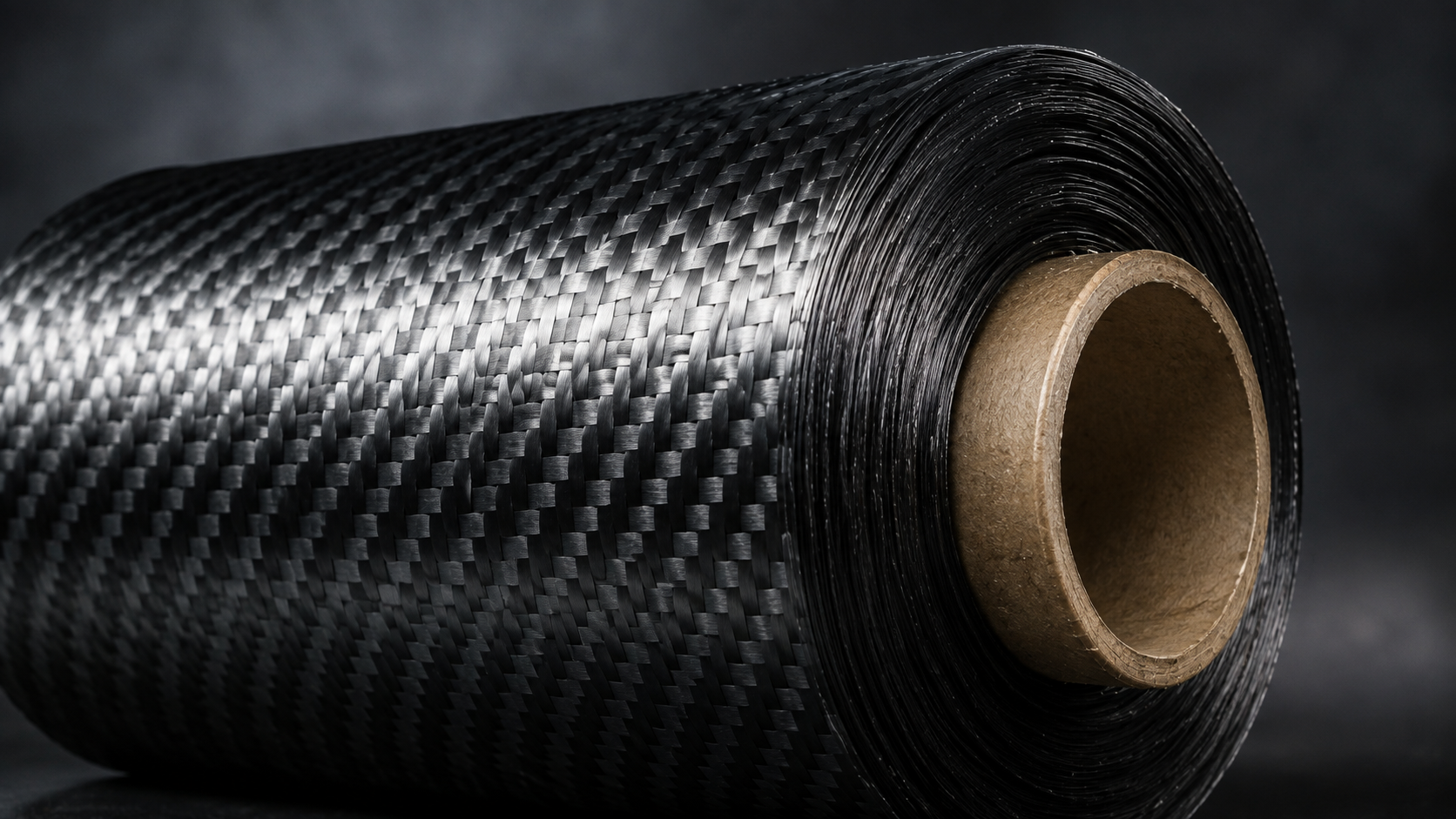
Aerospace manufacturers just gained five years of carbon fiber supply certainty. Toray Composite Materials America has entered a long-term supply agreement with Syensqo SA, effective January 2026, covering PAN-based carbon fiber and carbon fiber prepreg. The deal targets three demanding end markets at once, aircraft, space and defense.
For buyers watching material availability in these sectors, the agreement is a direct response to a familiar pressure. Carbon fiber demand keeps climbing while the supply base capable of meeting aerospace grade specifications stays limited.
What the Agreement Actually Covers
Toray will supply high strength and intermediate modulus PAN-based carbon fibers to Syensqo. Syensqo then pairs those fibers with its own composite resin technologies to produce a broader portfolio of advanced composite materials.
The scope of the deal is global, but Toray's US manufacturing footprint plays a central role in fulfilling it.
Toray's Decatur, Alabama facility is one of the largest carbon fiber manufacturing sites in the United States.
The plant runs the full production sequence, from raw precursor materials through to finished carbon fiber.
It supports both commercial aerospace programs and military applications.
Why Supply Security Matters So Much Right Now
Aerospace manufacturers cannot easily swap carbon fiber suppliers mid program. Material qualification for aircraft and defense applications takes years, which makes long-term supply commitments unusually valuable in this sector.
The deal comes at a moment when several forces are converging on carbon fiber demand.
Global passenger air travel continues its recovery, driving renewed aircraft production volumes.
Next-generation aircraft development is advancing, adding new demand for lightweight composite materials.
Defense spending increases across NATO countries are pushing military carbon fiber applications higher.
Geopolitical volatility and raw material cost pressure have made supply chain resilience a stated priority across the sector.
Toray's Position in the Global Market
Toray is not a minor player entering this partnership. The company holds an estimated 45 to 50 percent global market share in carbon fiber composite materials, making it the largest carbon fiber producer worldwide.
That scale matters for Syensqo's own strategic position. Pairing Toray's dominant fiber production with Syensqo's composite resin expertise creates a combined offering that few competitors can match on both technical depth and production capacity.
The Market Context Behind the Deal
The aerospace carbon fiber market currently sits at roughly $2.62 billion and is projected to grow at a compound annual rate above 7 percent, reaching close to $3.69 billion by 2031. Carbon fiber composites already account for more than half of the aerospace materials market.
That growth trajectory explains why both companies are prioritizing supply security now rather than waiting for tighter conditions to force the issue.
Carbon fiber composites can deliver up to five times the strength of aluminum at a fraction of the weight.
Weight reduction remains a core driver of adoption across both commercial and military aircraft programs.
A five-year commitment gives both companies planning certainty across production capacity and pricing.
What This Means for Aerospace Buyers and Suppliers
Manufacturers further down the aerospace supply chain should read this deal as a signal of where material availability is heading. A long-term commitment between the market's largest fiber producer and a major composite resin specialist reduces the risk of spot market shortages for qualified aerospace grade material.
Procurement teams working with either company, directly or through tier suppliers, have a few practical points worth tracking.
Confirm whether existing supply contracts benefit from the pricing and volume terms secured under this agreement.
Ask suppliers how the Decatur facility's production allocation affects delivery timelines for your specific programs.
Watch for how rising defense demand across NATO countries may affect overall carbon fiber availability beyond this specific agreement.
Looking Ahead for Carbon Fiber Supply
This agreement reflects a broader shift across aerospace materials sourcing, where manufacturers increasingly favor locked-in, multi-year commitments over spot purchasing. As demand climbs from both commercial aviation recovery and defense spending, that approach is likely to become more common rather than less.
For buyers across the aerospace supply chain, the practical takeaway is straightforward. Securing long-term relationships with qualified suppliers now is a stronger position than waiting until demand outpaces available capacity. Ready to source acrylonitrile from verified global suppliers? Explore competitive offers on our platform today.