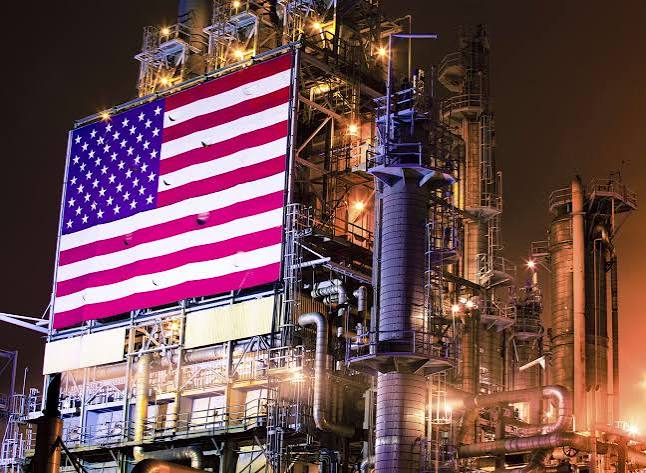
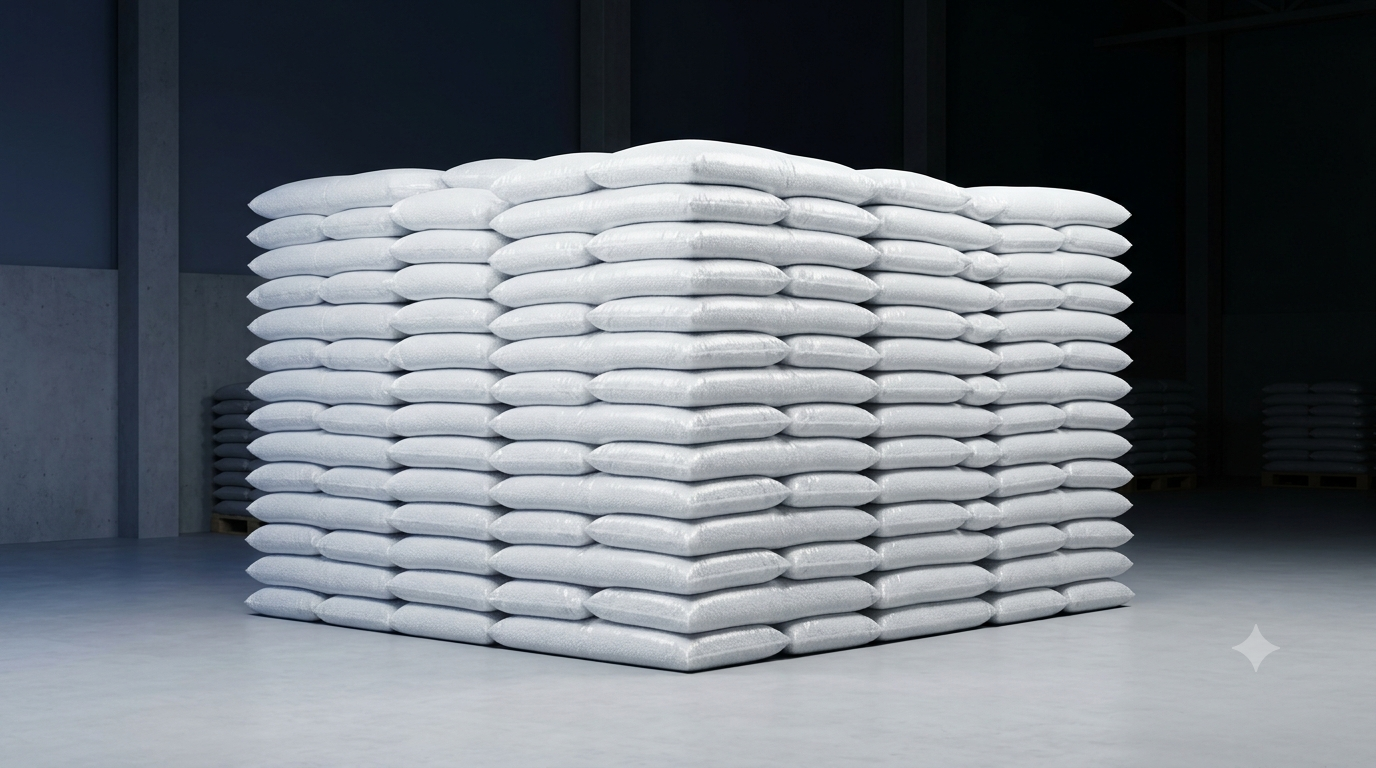
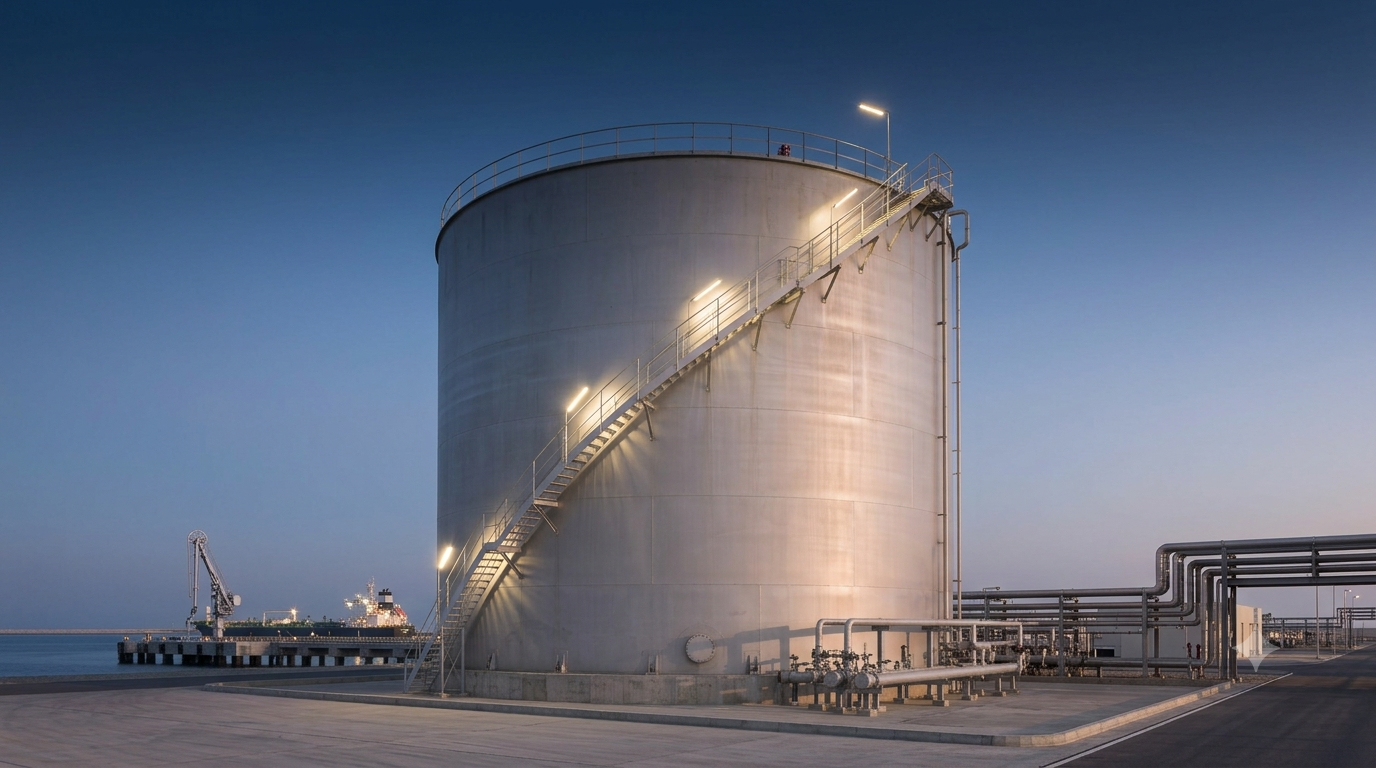
The US Gulf Coast enters the second day of July moving from storm response to operational recovery following Tropical Storm Arthur's passage across the Texas coastline. Unlike major hurricanes that can cause prolonged infrastructure damage, Arthur primarily created temporary interruptions to transportation and logistics rather than widespread destruction of petrochemical facilities.
For chemical buyers, the focus now shifts from weather forecasts to operational restart schedules. Port authorities, logistics providers and petrochemical manufacturers are evaluating facility conditions, confirming shipping schedules and progressively restoring commercial operations across one of the world's most important chemical production corridors.
The Gulf Coast Chemical Corridor Remains Critically Important
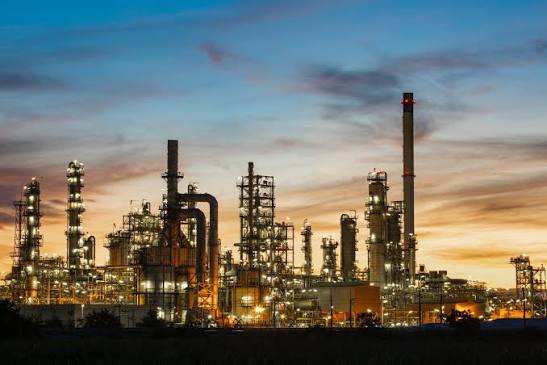
The Texas and Louisiana Gulf Coast continues to represent the largest concentration of petrochemical manufacturing anywhere in the world.
Facilities located around the Houston Ship Channel produce and export a wide range of industrial chemicals that support manufacturing across North America, Europe, Latin America and Asia.
Major product groups include:
Methanol.
Polyethylene and polypropylene.
Monoethylene Glycol (MEG).
Styrene and aromatic chemicals.
Industrial solvents and specialty chemicals.
Because so much global production is concentrated within this region, even relatively short operational interruptions are closely monitored by international procurement teams.
Arthur's Main Impact Was Logistics Rather Than Production
Although Tropical Storm Arthur required precautionary shutdowns and temporary operational restrictions, its overall impact differs significantly from that of a major hurricane.
Current assessments suggest that most chemical facilities experienced:
Temporary suspension of loading operations.
Short-term rail service interruptions.
Port closures for vessel traffic.
Delays in truck transportation.
Limited precautionary production reductions.
Importantly, there are currently no indications that widespread physical damage to major petrochemical complexes will create extended production outages.
Port Operations Are Expected to Resume Progressively
Attention now centres on the reopening of Gulf Coast shipping infrastructure.
The Houston Ship Channel is expected to resume vessel movements following completion of standard post-storm inspections and safety assessments.
Typical operational priorities include:
Hydrographic surveys of navigation channels.
Inspection of port infrastructure.
Verification of navigational aids.
Clearance for commercial vessel movements.
Progressive restoration of normal shipping schedules.
As these activities conclude, export operations are expected to return gradually rather than simultaneously.
Restart Planning Is Already Underway
Petrochemical producers across the Gulf Coast are expected to focus on safely restarting normal operations while coordinating closely with logistics providers.
Several factors influence restart timing:
Because Arthur remained a tropical storm, most operational interruptions are expected to remain within the 24 to 72-hour range rather than extending into prolonged production shutdowns.
Force Majeure Should Be Confirmed Directly
Although widespread long-term disruption appears unlikely, buyers should not assume that every supplier experienced identical operating conditions.
Companies with July shipments scheduled from the Gulf Coast should contact suppliers directly to determine:
Whether force majeure declarations were issued.
Updated production schedules.
Revised loading dates.
Expected vessel departure times.
Potential impacts on contractual delivery obligations.
Direct communication remains the most reliable source of operational information during the recovery period.
Logistics Recovery Will Drive the First Week of July
The reopening of Gulf Coast ports marks only the first stage of returning supply chains to normal.
Once navigation channels reopen, shipping companies, terminal operators and chemical producers must work together to clear vessel backlogs and restore scheduled cargo movements.
The recovery process is expected to include:
Gradual reopening of export terminals.
Resumption of rail deliveries to chemical plants.
Restoration of truck transportation for domestic distribution.
Progressive loading of delayed export cargoes.
Revised vessel schedules as carriers work through accumulated delays.
These activities should improve steadily over several days as transportation networks return to normal operating conditions.
What Buyers Should Do Today
Companies expecting July shipments from the US Gulf Coast should proactively verify operational status rather than waiting for automatic shipment updates.
Priority actions include:
Contact suppliers' logistics teams to confirm facility restart schedules.
Request updated vessel departure and estimated arrival dates.
Confirm whether any temporary force majeure declarations affected contracted shipments.
Review revised production and loading schedules for critical raw materials.
Coordinate with freight forwarders regarding port reopening and transportation availability.
Early communication can minimise downstream production disruption while improving inventory planning.
Why the Market Outlook Remains Positive
Unlike major hurricanes that can leave industrial infrastructure damaged for weeks, Tropical Storm Arthur is expected to create only temporary operational interruptions.
Several factors support a relatively rapid recovery:
Limited reports of significant physical damage to petrochemical facilities.
Established storm preparedness procedures across Gulf Coast manufacturers.
Well-developed emergency response protocols at major ports.
Experienced logistics operators accustomed to weather-related disruptions.
These strengths should enable the chemical industry to restore normal commercial activity quickly once transportation systems are fully operational.
Procurement Planning Should Remain Flexible
Although recovery is progressing, procurement teams should continue allowing for modest scheduling adjustments during the first week of July.
Recommended practices include:
Maintain close communication with suppliers until export schedules stabilise.
Update inventory planning using revised shipment estimates.
Build short contingency buffers into production schedules where possible.
Monitor carrier service notices and terminal operating updates.
Review customer delivery commitments if shipments were affected by temporary delays.
This approach balances operational flexibility with realistic expectations for recovery.
Looking Ahead to H2 2026
The passage of Tropical Storm Arthur demonstrates the resilience of the US Gulf Coast chemical industry.
While precautionary shutdowns temporarily interrupted logistics across ports, rail networks and export terminals, the storm's relatively limited intensity means that most facilities are expected to return to normal operations within several days. The primary challenge has been coordinating transportation and vessel movements rather than repairing major industrial damage.
For international chemical buyers, the key takeaway is that weather-related logistics disruptions can occur even when production capacity remains largely intact. Maintaining close communication with suppliers, monitoring port reopening schedules and confirming shipment status directly with logistics providers remain essential elements of effective procurement planning.
As Gulf Coast operations progressively normalise, the US chemical sector is well positioned to resume its role as one of the world's most reliable suppliers of commodity and specialty chemicals throughout the remainder of H2 2026.
Ready to source methanol, polyethylene and specialty chemicals from verified global suppliers? Explore competitive offers on our platform today.