US Ethane Cost Advantage Continues Supporting Domestic Petrochemical Competitiveness
Introduction
The United States continues to benefit from a structural cost advantage in petrochemical production, largely because of abundant and relatively low-cost natural gas liquids, particularly ethane.
This feedstock advantage has helped US petrochemical producers remain competitive against higher-cost production regions while supporting the country's position as an important supplier of ethylene, polyethylene and other chemical products.
Even as global chemical demand remains uneven in 2026, the underlying economics of US ethane-based production continue to provide producers with an important competitive buffer.
Why Ethane Matters to US Petrochemicals
Ethane is a key feedstock for producing ethylene, one of the world's most important petrochemical building blocks.
Ethylene is subsequently used to manufacture a wide range of products, including:
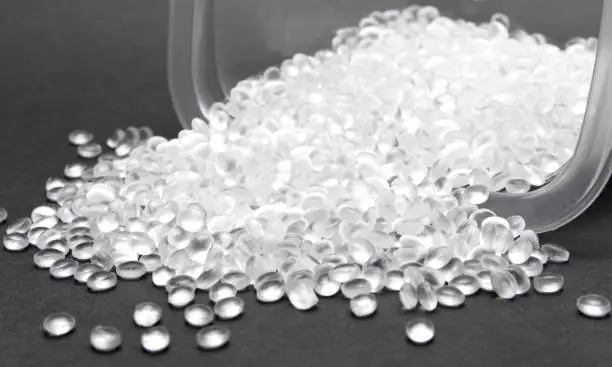
Polyethylene
Ethylene oxide
Ethylene glycol
Vinyl products
Solvents
Packaging materials
Construction products
Automotive components
The availability of ethane at competitive prices therefore has a direct influence on the cost structure of a large portion of the US petrochemical industry.
The Shale Revolution Created a Structural Advantage
The expansion of US shale gas production fundamentally changed petrochemical economics.
Large-scale production of natural gas increased the availability of natural gas liquids, including ethane. Producers were consequently able to access feedstocks at costs that were often more competitive than naphtha-based alternatives used in Europe and much of Asia.
This created a major advantage for US crackers.
Ethane-based crackers generally benefit from lower feedstock costs and can produce ethylene at a lower variable cost when ethane remains competitively priced.
The resulting cost advantage has helped US producers compete in international markets even when global petrochemical demand is weak.
Ethane vs. Naphtha Economics
The difference between US ethane-based production and naphtha-based production is particularly important.
Many European and Asian crackers rely heavily on naphtha, which is closely linked to crude oil prices.
US producers, by contrast, have greater access to ethane derived from natural gas.
This creates different cost structures:
US: Natural gas → NGLs → Ethane → Ethylene
Many European/Asian producers: Crude oil → Naphtha → Ethylene
When oil prices remain high relative to natural gas, the US feedstock advantage can become even more significant.
This difference can influence global production costs, export competitiveness and regional chemical pricing.
US Petrochemical Producers Retain Export Competitiveness
The feedstock advantage has helped US producers build significant export capacity.
US-made polyethylene and other petrochemical products can be shipped to markets across Latin America, Europe and Asia.
The competitiveness of these exports depends on more than the factory-gate production cost. Freight, tariffs, port charges and regional price differences also determine whether US material can compete in a particular destination.
Nevertheless, low-cost ethane provides a strong starting point.
Global Market Weakness Makes Cost Advantage More Important
The importance of feedstock economics increases when global chemical demand is weak.
When prices are high and margins are healthy, producers across multiple regions can remain profitable.
When demand weakens and selling prices fall, high-cost producers become more vulnerable.
This creates a potential advantage for US manufacturers.
If global polyethylene or ethylene prices decline, producers with lower variable costs can potentially continue operating profitably while higher-cost plants face margin compression.
This can influence decisions around:
Plant utilization
Production curtailments
Capacity closures
New investments
Export strategies
Middle East and Global Supply Disruptions Add Another Dimension
Geopolitical developments in 2026 have further highlighted the importance of feedstock and regional supply security.
Disruptions affecting Middle Eastern energy and petrochemical flows have created uncertainty around global supply and logistics.
For buyers, this makes North American supply more attractive in some cases because US production is supported by domestic feedstock availability rather than relying entirely on imported energy or petrochemical raw materials.
However, US suppliers remain exposed to international freight markets and global price movements.
What the Ethane Advantage Means for Chemical Buyers
The US ethane advantage has several implications for procurement teams.
1. US Suppliers Can Be Competitive on Commodity Chemicals
For products derived from ethylene, US producers can sometimes offer attractive economics because of their feedstock position.
Buyers should therefore include North American suppliers when benchmarking global sourcing options.
2. Compare Feedstock-Driven Pricing
When negotiating contracts, buyers should understand how changes in ethane, natural gas and crude oil prices influence supplier costs.
A supplier price increase should ideally be evaluated against underlying feedstock movements.
3. Evaluate Landed Cost
A competitive US production cost does not automatically translate into the lowest delivered price.
Procurement teams should calculate:
Ex-works price
Ocean freight
Port charges
Inland transportation
Insurance
Tariffs
Storage
Handling
The final comparison should be based on landed cost.
4. Monitor Regional Arbitrage
Differences between US, European and Asian prices can create opportunities for international buyers.
When the US cost advantage is sufficiently large, US-origin material can become attractive even after transportation costs are included.
Ethane Availability Is Not Without Risks
Although the US has a significant ethane advantage, the market is not completely insulated from volatility.
Ethane economics can be influenced by:
Strong domestic demand for natural gas can also influence the broader economics of NGL production.
In addition, increased ethane exports can affect domestic availability and pricing.
New Capacity Could Increase Competition
US petrochemical producers have invested heavily in ethylene and polyethylene capacity over the past decade.
As new capacity enters the market, domestic producers may face greater competition for customers.
This can create an interesting dynamic:
Low feedstock costs + high production capacity = strong export potential
But if global demand fails to keep pace with capacity growth, producers may experience margin pressure despite having a structural cost advantage.
For buyers, this could create periods of attractive purchasing opportunities.
The Procurement Opportunity
The continuing US ethane advantage suggests that procurement teams should treat feedstock economics as a strategic sourcing variable.
Rather than comparing suppliers only on quoted prices, buyers can monitor the relationship between:
Ethane → Ethylene → Polyethylene → Finished Product
Tracking this value chain can provide useful insight into whether supplier pricing is being driven by genuine cost changes or by market conditions.
It can also help buyers identify favorable purchasing windows when feedstock costs and regional chemical prices diverge.
Outlook for 2026 and Beyond
The US is likely to retain its structural feedstock advantage for the foreseeable future.
Abundant natural gas resources, established NGL infrastructure and extensive petrochemical capacity provide a strong foundation for continued competitiveness.
However, the strength of this advantage will depend on the relationship between US natural gas and global crude oil prices, international freight costs and global chemical demand.
If global demand remains weak, low-cost US producers may become even more competitive relative to higher-cost producers.
If demand recovers strongly, the US advantage could support increased exports and higher utilization rates.
Conclusion
The US ethane cost advantage remains one of the most important structural strengths of the American petrochemical industry.
Abundant natural gas liquids and competitive ethane pricing allow US producers to manufacture ethylene and downstream products at costs that can be significantly more competitive than those of many naphtha-based producers.
For chemical procurement teams, this creates an important sourcing opportunity.
US suppliers should be included in global benchmarking exercises, particularly for ethylene derivatives such as polyethylene and other petrochemical products. However, buyers should evaluate the complete landed cost, including freight, tariffs, logistics and regional market conditions.
As global chemical markets remain volatile, the ability to understand feedstock economics and regional cost differences will become increasingly important. The US ethane advantage is not simply a benefit for American producers—it is also a factor that can reshape global chemical sourcing, pricing and procurement strategies.