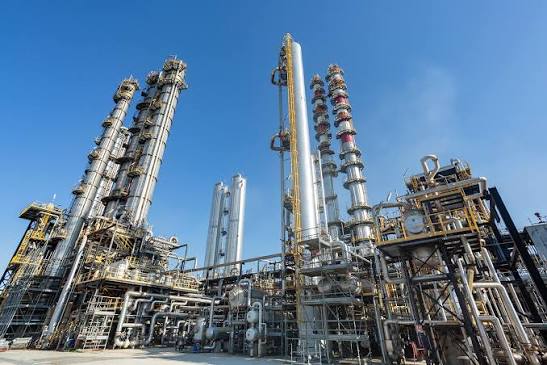
"Versalis", the Italian arm of Eni, has long been a pillar of Europe’s petrochemical landscape. Its 1,200‑tpd polyethylene (PE) unit in the Veneto region supplied a significant portion of the continental market. The sudden shutdown, announced in late 2025, was driven by a combination of aging infrastructure, rising feedstock costs, and regulatory pressures. The closure immediately created a 10‑15% production gap in the regional PE supply chain, prompting a swift reassessment of sourcing options across the continent.
Impact on European PE Supply
Short‑Term Production Gap
In the months following the shutdown, European PE capacity fell by roughly 5% of the total regional output. This short‑term gap forced importers to look beyond traditional suppliers in the Baltic and North Sea regions. Key consequences included:
Increased reliance on secondary market purchases.
Shorter lead times for urgent orders.
Higher freight costs due to limited shipping capacity.
Pressure on smaller local producers to absorb excess demand.
Longer‑Term Market Adjustments
As other European capacity closures—particularly in Spain and France—continued into 2026, the cumulative effect is a more fragmented supply base. The industry is beginning to transition from a once‑stable, high‑volume production model to a dispersed, niche‑capability structure. This fragmentation allows for more flexible, albeit costlier, procurement but also introduces a heightened risk of supply shocks if any remaining facilities encounter operational setbacks.
Pricing Dynamics
Margin Compression and Price Volatility
Supply constraints have tightened profit margins for remaining producers. With fewer plants in operation, the price differential between PE and its feedstock (ethylene) has narrowed, squeezing profitability. Concurrently, price volatility has risen, with daily spot market fluctuations reaching up to 12% in the first quarter of 2026. Manufacturers now face a delicate balancing act: locking in higher long‑term contracts to hedge against price swings or maintaining short‑term flexibility to exploit favorable market dips.
Long‑Term Price Trends
Market analysts project a gradual price recovery as new capacity comes online and demand shifts toward higher‑value PE grades. However, the recovery is expected to be uneven, with lower‑density grades (LDPE) seeing slower rebounds due to higher competitive pressure from alternative packaging materials. In contrast, high‑density grades (HDPE) may experience a modest price uptick as demand for structural plastics persists in construction and automotive sectors.
Procurement Strategies for Buyers
Risk Management Tactics
Companies operating in the European PE market are revising procurement strategies to mitigate supply and price risks. Common approaches include:
Securing multi‑year contracts with a mix of domestic and cross‑border suppliers.
Utilizing spot market purchases to capture lower price points.
Implementing forward‑price hedging instruments to attenuate volatility.
Exploring alternative feedstocks, such as bio‑ethylene, to diversify supply sources.
Strategic Supplier Partnerships
Beyond price tactics, firms are fostering closer partnerships with suppliers to gain early visibility into production schedules and potential disruptions. Collaborative forecasting and joint inventory management initiatives are emerging as key differentiators, allowing buyers to pre‑empt shortages and negotiate better terms based on shared risk profiles.
Broader Implications for European Restructuring
Strategic Shifts in the PE Market 2026
The sustained closures across Europe signal a broader industry restructuring_mu_. Key developments include:
Accelerated investment in high‑efficiency, low‑emission plants that can better compete in the evolving regulatory landscape.
Increased consolidation among mid‑size petrochemical firms seeking scale and diversification.
Greater emphasis on circular economy initiatives, such as recycling PE and developing bio‑based alternatives.
Enhanced cross‑border cooperation to create a more resilient supply network, reducing dependence on single geographic hubs.
For buyers, the restructuring prompts a reevaluation of long‑term supply contracts. The shift toward more agile, diversified sourcing models is expected to become the norm, with a premium placed on flexibility and sustainability credentials. Those who can adapt quickly to the new dynamics—leveraging technology, data analytics, and robust risk frameworks—will likely secure a competitive edge in the evolving European PE landscape.